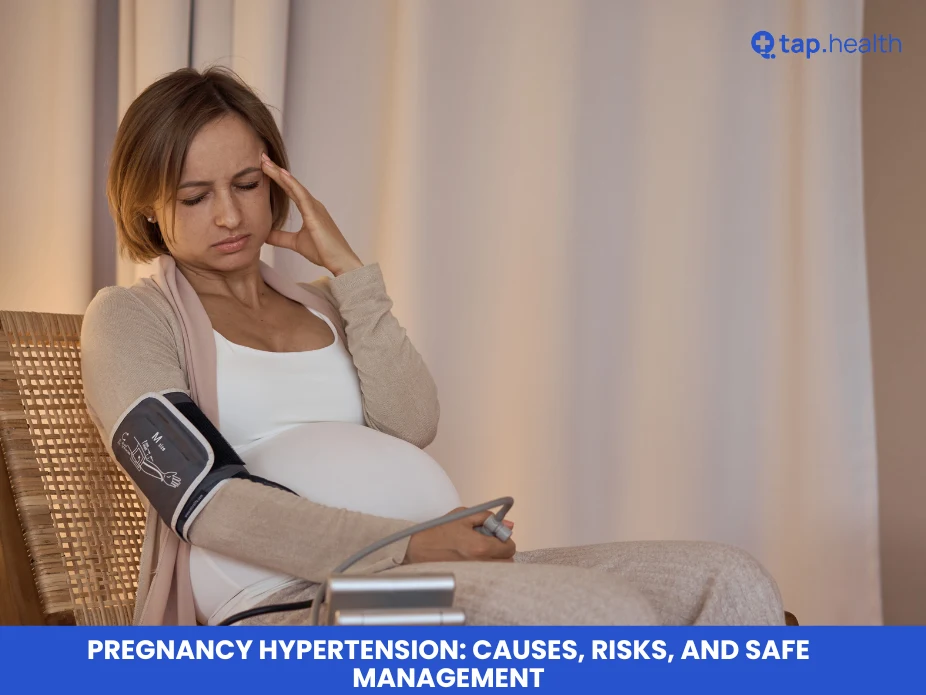
Pregnancy is an exciting and often transformative time in a woman’s life. However, it also brings new challenges and concerns, one of the most common being pregnancy hypertension (high blood pressure). While many women experience a healthy, uncomplicated pregnancy, high blood pressure is something that can affect both the mother and the baby if not managed properly.
In this blog post, we’ll break down what pregnancy hypertension is, its causes, potential risks, and how it can be safely managed. We will also provide expert insights and real-life examples to help you better understand how to handle this condition.
What is Pregnancy Hypertension?
Pregnancy hypertension refers to high blood pressure that develops during pregnancy, usually after the 20th week. It can be classified into two main categories:
- Gestational Hypertension: High blood pressure that develops during pregnancy but does not include significant damage to the organs. It typically resolves after childbirth.
- Chronic Hypertension: High blood pressure that existed before pregnancy or occurs before 20 weeks of pregnancy. This condition may require ongoing management throughout pregnancy and beyond.
If left unmanaged, hypertension during pregnancy can lead to serious complications such as preeclampsia, premature birth, and low birth weight. In severe cases, it can even threaten the health of both the mother and baby.
What Causes Pregnancy Hypertension?
The exact cause of pregnancy hypertension is not always clear, but several factors contribute to its development. Here are some key risk factors:
1. Pre-existing High Blood Pressure
Women who already have high blood pressure before pregnancy are at an increased risk of developing hypertension during pregnancy.
2. First-Time Pregnancy
Pregnancy hypertension is more common in women who are pregnant for the first time.
3. Age
Women under 20 or over 40 are more likely to experience pregnancy hypertension.
4. Obesity
Being overweight or obese increases the risk of developing high blood pressure during pregnancy.
5. Multiple Pregnancies (Twins or More)
Carrying more than one baby increases the likelihood of developing pregnancy hypertension.
6. Family History
If there is a family history of high blood pressure, preeclampsia, or other related conditions, the chances of developing pregnancy hypertension are higher.
7. Chronic Kidney Disease or Diabetes
Pre-existing health conditions, like kidney disease or diabetes, can also contribute to the development of hypertension during pregnancy.
The Risks of Pregnancy Hypertension
While hypertension is common during pregnancy, it can lead to serious complications if not managed carefully. Some of the potential risks include:
1. Preeclampsia
Preeclampsia is a more severe form of pregnancy hypertension. It is characterized by high blood pressure and the presence of protein in the urine. If left untreated, it can lead to organ damage, seizures, and even premature birth. In severe cases, preeclampsia can be life-threatening for both the mother and the baby.
2. Preterm Birth
High blood pressure increases the risk of preterm labor, where the baby is born before 37 weeks. Preterm birth can result in health problems for the baby, such as breathing difficulties, digestive issues, and developmental delays.
3. Placental Abruption
Hypertension can cause the placenta to separate from the uterine wall before delivery, which can lead to heavy bleeding and reduce the oxygen supply to the baby.
4. Low Birth Weight
Babies born to mothers with pregnancy hypertension may have a lower birth weight, which increases the risk of complications after birth, including respiratory problems and developmental delays.
5. Damage to Organs
Severe hypertension, especially when it progresses to preeclampsia, can lead to damage to the kidneys, liver, and other organs.
How to Manage Pregnancy Hypertension Safely
The good news is that pregnancy hypertension can be managed effectively with the right strategies. Early detection and regular monitoring are key to ensuring the health and safety of both the mother and the baby.
1. Regular Monitoring of Blood Pressure
If you have high blood pressure during pregnancy, your doctor will closely monitor your blood pressure throughout your pregnancy. Regular checks help ensure that your condition is not worsening and that the baby is not at risk.
2. Medication
If necessary, your healthcare provider may prescribe medications to control your blood pressure. Medications like methyldopa, labetalol, or nifedipine are commonly used and considered safe during pregnancy. However, it’s important to only take prescribed medications and follow your healthcare provider’s advice.
3. Healthy Diet
A healthy diet can play a significant role in managing pregnancy hypertension. Here are some tips:
- Limit salt intake: Too much sodium can worsen high blood pressure, so it’s important to cut back on salt in your meals.
- Eat potassium-rich foods: Foods like bananas, spinach, and potatoes can help balance the effects of sodium and regulate blood pressure.
- Include magnesium and calcium: These minerals help maintain healthy blood pressure levels. Magnesium-rich foods include leafy greens, beans, and nuts, while dairy products are a good source of calcium.
4. Stay Active
Regular physical activity, such as walking, swimming, or prenatal yoga, can help lower blood pressure by improving circulation and reducing stress. Always consult with your healthcare provider before starting any new exercise regimen.
5. Stress Management
Managing stress is crucial for controlling blood pressure. High levels of stress can contribute to hypertension. Here are a few ways to manage stress:
- Prenatal yoga: Yoga can help relax the body and mind while also improving circulation.
- Deep breathing exercises: Simple breathing techniques can quickly reduce stress and lower your blood pressure.
- Adequate rest: Make sure to get plenty of sleep to allow your body to recharge.
6. Monitor Your Weight
Gaining too much weight during pregnancy can put added stress on your heart and blood vessels. Be sure to follow your healthcare provider’s recommendations for healthy weight gain during pregnancy.
Real-Life Scenarios: How Pregnancy Hypertension is Managed
Scenario 1: Sarah’s Journey with Gestational Hypertension
Sarah, a 30-year-old woman, was diagnosed with gestational hypertension at 28 weeks of pregnancy. Her doctor advised her to monitor her blood pressure at home and follow a low-sodium diet. Sarah also started walking 30 minutes a day and practiced relaxation techniques like deep breathing to manage stress. By the time Sarah reached her third trimester, her blood pressure had stabilized, and she was able to avoid complications. She gave birth to a healthy baby at 39 weeks.
Scenario 2: Emily’s Experience with Chronic Hypertension
Emily had high blood pressure before pregnancy and was closely monitored throughout her pregnancy. Her doctor prescribed labetalol to manage her blood pressure, and she followed a diet rich in fruits, vegetables, and whole grains. Emily also attended prenatal yoga classes to stay active and reduce stress. Thanks to her proactive approach, Emily’s hypertension was well-managed, and she gave birth to a healthy baby at full term.
Expert Contributions: What Do Healthcare Providers Say?
Dr. Lisa Martin, an OB-GYN with over 10 years of experience, emphasizes the importance of early detection and close monitoring for women with pregnancy hypertension. “Pregnancy hypertension is very manageable if caught early and treated properly. It’s crucial for expectant mothers to attend regular prenatal appointments and follow their healthcare provider’s advice to reduce the risk of complications.”
Dr. Martin also stresses the role of a balanced diet in managing blood pressure. “A diet rich in potassium, magnesium, and calcium can help maintain normal blood pressure, and regular physical activity can improve circulation and reduce stress.”
For more information, visit the American Pregnancy Association.
Recommendations Grounded in Proven Research and Facts
Here are some key takeaways based on proven research and expert advice for managing pregnancy hypertension:
- Regular Monitoring: Regular blood pressure checks and prenatal visits are essential for early detection and management of hypertension.
- Medication when Necessary: If blood pressure becomes too high, safe medication may be prescribed by your healthcare provider.
- Healthy Lifestyle Choices: A healthy diet, regular physical activity, and stress management techniques can help lower blood pressure.
- Close Monitoring for Complications: Pay attention to signs of complications, such as swelling, headaches, or vision changes, and report any concerns to your healthcare provider immediately.
FAQ: Pregnancy Hypertension
What is the difference between gestational hypertension and chronic hypertension?
Gestational hypertension occurs after the 20th week of pregnancy and usually resolves after delivery. Chronic hypertension is pre-existing high blood pressure that continues during pregnancy and may require long-term management.
How is pregnancy hypertension diagnosed?
Pregnancy hypertension is diagnosed by consistently high blood pressure readings during prenatal visits. Additional tests, such as urine protein tests, may be done to check for complications like preeclampsia.
Can pregnancy hypertension affect my baby?
Yes, if left untreated, pregnancy hypertension can lead to complications like low birth weight, premature birth, or preeclampsia. However, with proper management, many women can have healthy pregnancies and babies.
Is it safe to exercise with pregnancy hypertension?
Mild exercise, such as walking or swimming, can be beneficial for managing blood pressure. Always consult with your healthcare provider before starting any new exercise routine during pregnancy.
What foods should I avoid if I have pregnancy hypertension?
Limit foods high in sodium (salt), processed foods, and unhealthy fats. Focus on eating fresh fruits, vegetables, lean proteins, and whole grains.
Conclusion
Pregnancy hypertension is a common condition that can be managed safely with the right care and lifestyle choices. By monitoring blood pressure regularly, following a healthy diet, staying active, and managing stress, many women with pregnancy hypertension can have a healthy pregnancy and delivery. Always consult your healthcare provider for personalized advice and support.
For more expert information, visit the American College of Obstetricians and Gynecologists.