tap.health logo
  • Diabetes Management
  • Health Assistant
  • About Us
  • Blog
  • Contact Us
Get Plan
  • Diabetes Management
  • Health Assistant
  • About Us
  • Blog
  • Contact Us
  • All Blogs
  • Product
  • Sabudana 101: The Ultimate Beginner’s Guide

Sabudana 101: The Ultimate Beginner’s Guide

Product
March 16, 2024
• 4 min read
Kritika Singh
Written by
Kritika Singh
ChatGPT Perplexity WhatsApp LinkedIn X Grok Google AI
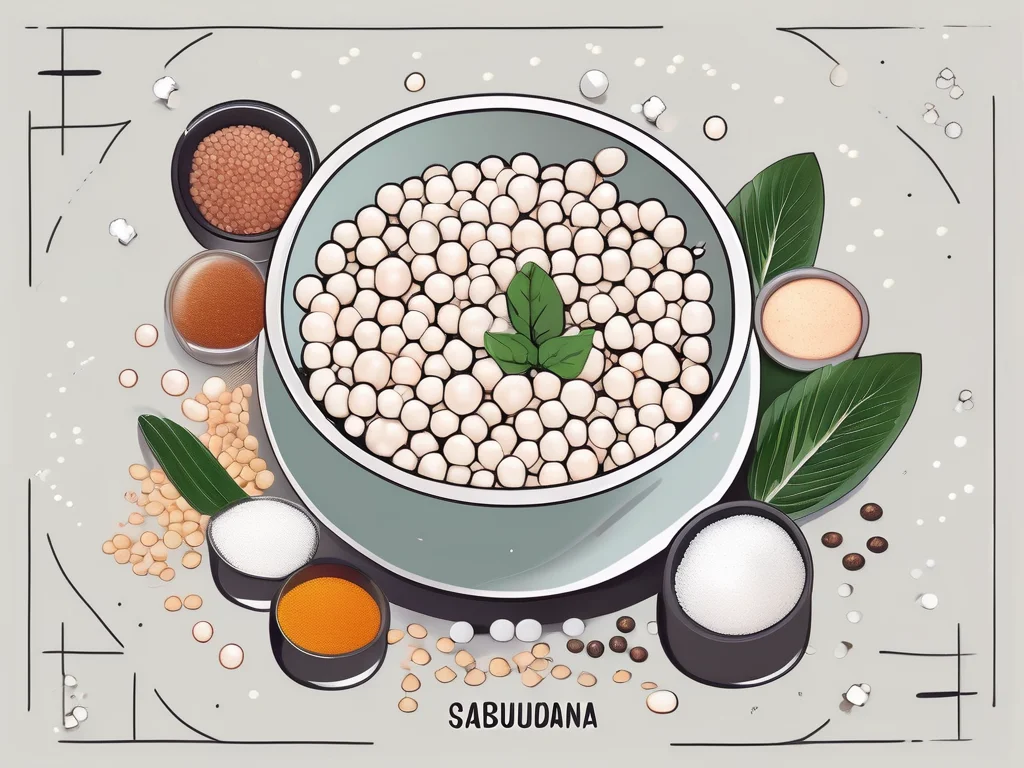
Sabudana (tapioca pearls) in a bowl

Sabudana, also known as tapioca pearls or sago, is a versatile and beloved ingredient in many cuisines, especially in India. Derived from the starch of the sago palm or cassava root, these small, translucent pearls are celebrated for their unique texture and ability to absorb flavors. This guide explores sabudana’s origins, nutritional profile, health benefits, uses for skin and hair, delicious recipes, and potential side effects. Whether you’re new to sabudana or a seasoned enthusiast, this comprehensive overview will deepen your appreciation for this starchy delight.

What is Sabudana? Understanding Tapioca Pearls

Q: What is sabudana made of?
Sabudana is a starchy product extracted from the pith of the sago palm tree or cassava root. The starch is processed into small, translucent pearls, known for their chewy texture and ability to thicken dishes.

Q: How is sabudana used in cooking?
In Indian cuisine, sabudana is a staple during fasting periods, used in dishes like sabudana khichdi and kheer. Its versatility makes it ideal for both savory and sweet recipes, absorbing spices and flavors effectively.

Sabudana’s unique texture, ranging from soft and sticky to firm and chewy, makes it a favorite in various culinary traditions. It’s gluten-free, making it suitable for those with dietary restrictions, and its neutral flavor allows it to adapt to diverse recipes.

Origins and Production of Sabudana

Q: Where does sabudana come from?
Sabudana originates from tropical regions of South America and Asia, where the sago palm tree or cassava plant is cultivated. It has been a dietary staple for centuries and is now widely grown in places like India, particularly in Kerala and Tamil Nadu.

Q: How is sabudana produced?
The production process involves harvesting the stems of the sago palm or cassava root, extracting the starch, and forming it into pearls through washing, soaking, and drying. The result is uniform pearls of varying sizes, suitable for different dishes.

This meticulous process ensures sabudana’s consistent texture and quality, making it a reliable ingredient for traditional and modern recipes.

Types of Sabudana: Sizes and Varieties

Q: What are the different types of sabudana?
Sabudana comes in small, medium, and large pearls. Small pearls cook quickly and are ideal for light dishes, while medium and large pearls are better for desserts or puddings requiring longer cooking times.

Q: How do sabudana varieties differ?
The texture and color of sabudana vary based on processing methods. Some pearls may have a yellowish hue due to added turmeric or different processing techniques, offering options from soft and sticky to firm and chewy.

These variations allow chefs to choose the right type of sabudana for specific recipes, enhancing both texture and presentation.

Nutritional Profile of Sabudana

Q: What is the nutritional value of sabudana?
A 100-gram serving of sabudana provides approximately 355 calories, primarily from carbohydrates (88 grams). It contains negligible fat and protein, making it a high-energy, gluten-free food.

Q: What vitamins and minerals are in sabudana?
Sabudana offers small amounts of calcium, iron, potassium, and magnesium. These nutrients support bone health, muscle function, oxygen transport, and enzymatic reactions in the body.

The high carbohydrate content makes sabudana an excellent energy source, particularly for fasting or physically demanding activities.

Health Benefits of Sabudana

Q: What are the health benefits of eating sabudana?
Sabudana offers multiple health benefits, including improved digestion and sustained energy release. Its gluten-free nature makes it suitable for those with celiac disease or gluten sensitivities.

Q: How does sabudana support digestive health?
The high carbohydrate content in sabudana promotes regular bowel movements and aids digestion, providing relief from constipation or indigestion.

Q: Why is sabudana good for energy?
As a complex carbohydrate, sabudana provides a steady release of energy, making it ideal for athletes or anyone needing a quick energy boost during fasting or intense activities.

The presence of minerals like calcium, iron, and magnesium further enhances its benefits, supporting overall health and vitality.

Sabudana for Skin and Hair Care

Q: Can sabudana benefit skin health?
Yes, sabudana’s starch content forms a protective barrier when applied topically, keeping skin hydrated. Sabudana-based face masks or scrubs nourish the skin, promote elasticity, and enhance a natural glow.

Q: How does sabudana improve hair health?
Sabudana’s moisture-retaining properties combat scalp dryness, while its vitamins, like folate and B vitamins, strengthen hair follicles, reduce dandruff, and promote thicker, healthier hair.

Using sabudana in DIY skincare or haircare treatments can be a natural way to enhance beauty and maintain healthy skin and hair.

Delicious Sabudana Recipes to Try

Q: What are some popular sabudana recipes?
Sabudana is featured in traditional Indian dishes like sabudana khichdi, vada, and kheer, as well as modern creations like sabudana biryani and popsicles.

Q: How do you make sabudana khichdi?
Soak sabudana for 4-6 hours, then cook with peanuts, potatoes, and spices like cumin and green chilies. This savory dish is a popular breakfast or fasting meal.

Q: What is sabudana vada?
Sabudana vada is a deep-fried snack made from soaked sabudana, mashed potatoes, spices, and herbs. It’s crispy outside and soft inside, perfect with tea.

Q: Can sabudana be used in modern recipes?
Yes, try sabudana biryani for a flavorful fusion dish or sabudana popsicles made with coconut milk and fruit for a refreshing summer treat.

These recipes highlight sabudana’s versatility, making it a favorite for both traditional and innovative culinary creations.

Potential Side Effects of Sabudana

Q: Are there any side effects of eating sabudana?
Sabudana’s high carbohydrate content may not suit low-carb diets or individuals with diabetes, as it can spike blood sugar levels if consumed excessively.

Q: Can sabudana cause digestive issues?
If not soaked or cooked properly, sabudana may cause digestive discomfort. Some individuals may also experience allergic reactions, such as itching or swelling.

Moderation and proper preparation are key to enjoying sabudana without adverse effects. Always consult a healthcare professional if you have dietary concerns.

Why Sabudana is a Versatile Ingredient

Q: Why is sabudana so popular in Indian cuisine?
Sabudana’s neutral flavor, gluten-free nature, and ability to absorb spices make it a go-to ingredient for fasting dishes and everyday meals in India.

Q: How can sabudana be incorporated into a diet?
From savory khichdi to sweet kheer, sabudana’s adaptability allows it to fit into various recipes, offering both nutrition and flavor.

Sabudana’s unique qualities make it a valuable addition to any kitchen, whether for cultural, dietary, or culinary purposes.

Conclusion

Sabudana, or tapioca pearls, is more than just a starchy ingredient—it’s a versatile, gluten-free food with a rich history and numerous benefits. From providing sustained energy and aiding digestion to enhancing skin and hair health, sabudana offers something for everyone. Its culinary flexibility shines in both traditional dishes like sabudana khichdi and modern creations like popsicles. However, moderation is key due to its high carbohydrate content and potential side effects. By understanding its origins, nutrition, and uses, you can make sabudana a delightful and beneficial part of your diet and lifestyle.


Tags
blood sugar test diabetes foot care insulin sensitivity diabetes warning signs diabetes myths weight loss diabetes Indian foods for insulin resistance diabetic foot ulcer diabetes lipid profile insulin resistance fatty liver diabetes urine infection diabetic leg cramps blood glucose monitoring diabetes and constipation diabetes foot swelling can diabetics eat dates can diabetics eat sweet potato paneer diabetes amla for diabetes is avocado good for diabetes rava upma diabetes prediabetes diabetic foot type 2 diabetes risk normal blood sugar levels diabetes facts insulin resistance weight loss improve insulin sensitivity diabetes foot wound cholesterol in diabetes diabetes skin problems frequent UTI diabetes diabetes nerve pain legs metformin for diabetes constipation diabetes can diabetics eat banana dates for diabetes sweet potato blood sugar poha for diabetes amla juice diabetes avocado blood sugar makhana for diabetes Medicine diabetes prevention foot health diabetes and sleep fasting blood sugar diabetes misconceptions diabetes medicine safety diabetic neuropathy symptoms diabetic foot ulcer warning signs can diabetics eat mango diabetes itching urinary infection diabetes diabetes slow wound healing metformin side effects diabetes numbness in hands banana for diabetes dates blood sugar jaggery for diabetes is poha good for diabetes amla blood sugar chia seeds for diabetes fox nuts diabetes Health A1C gestational diabetes poor sleep blood sugar HbA1c diabetes symptoms in women diabetes medicines diabetes nerve damage diabetes and blood pressure mango and diabetes dark patches diabetes diabetes stomach problems diabetes wounds metformin safety diabetes tingling hands banana blood sugar papaya for diabetes is jaggery good for diabetes poha blood sugar guava for diabetes chia seeds blood sugar makhana blood sugar Lifestyle blood sugar pregnancy diabetes sleep and diabetes diabetes in India women diabetes signs diabetes treatment advice tingling feet diabetes high blood pressure diabetes mango sugar diabetes walking after meals for diabetes diabetic gastroparesis diabetic wound care diabetes ketoacidosis warning signs diabetic neuropathy hands coconut water and diabetes is papaya good for diabetes gur for diabetes sprouts for diabetes can diabetics eat guava are chia seeds good for diabetes Home remedies fasting glucose blood sugar pregnancy diabetes and stress diabetes risk factors India diabetes risk women Indian diabetic diet chart diabetes eye disease diabetes heart kidney risk diabetes reversal vs remission post meal walk diabetes diabetes bloating nausea diabetes yeast infection DKA symptoms fasting with diabetes coconut water for diabetes papaya blood sugar watermelon for diabetes are sprouts good for diabetes guava blood sugar quinoa for diabetes Fitness A1C test low blood sugar stress blood sugar diabetes prevention India diabetes symptoms in men diabetic meal plan diabetic eye test borderline HbA1c diabetes remission walking lowers blood sugar diabetes sick day rules diabetes fungal infection ketones diabetes diabetes fasting safety can diabetics drink coconut water oats for diabetes can diabetics eat watermelon sprouts blood sugar orange for diabetes is quinoa good for diabetes Prevention diabetes diet hypoglycemia cortisol diabetes best fruits for diabetes men diabetes signs HbA1c test high protein breakfast for diabetes HbA1c 5.7 to 6.4 reverse type 2 diabetes diabetes grocery list India diabetes during illness diabetes vaginal itching diabetes blurry vision can diabetics fast curd for diabetes oatmeal diabetes watermelon blood sugar methi seeds for diabetes can diabetics eat oranges quinoa blood sugar Hygiene balanced meals diabetes safety diabetes eye care diabetes fruits diabetes risk men HbA1c normal range diabetes breakfast India prediabetes HbA1c diabetes plate method diabetic food list India blood sugar fever infection diabetes night sweats high blood sugar blurry vision insulin injection sites is curd good for diabetes are oats good for diabetes apple for diabetes fenugreek for diabetes orange blood sugar dal for diabetes Ailments healthy eating diabetes heart health diabetic retinopathy fruit and blood sugar type 1 diabetes how to lower HbA1c diabetic breakfast ideas post-meal blood sugar Indian diabetes plate foods for diabetes shopping diabetes and alcohol low blood sugar at night diabetes excessive thirst insulin site rotation diabetes curd milk for diabetes can diabetics eat apple methi diabetes brown bread for diabetes lentils for diabetes Hindi why diabetes is considered as a lifestyle disease blood pressure diabetes eye test rice and diabetes type 1 diabetes symptoms fasting sugar normal range PCOS and diabetes blood sugar after food diabetes portion control diabetes kidney tests alcohol blood sugar diabetes diabetes sweating at night diabetes dry mouth insulin lumps tea and coffee in diabetes can diabetics drink milk apple blood sugar cinnamon for diabetes bread for diabetes which dal is good for diabetes skin diseases lifestyle diabetes cholesterol diabetes kidney care can diabetics eat rice insulin diabetes high fasting blood sugar PCOS insulin resistance postprandial glucose low glycaemic index foods for diabetes urine albumin diabetes can diabetics drink alcohol diabetes headache frequent urination diabetes diabetes weight gain coffee diabetes best milk for diabetes eggs for diabetes cinnamon blood sugar whole wheat bread diabetes idli for diabetes acne vulgaris symptoms type 2 diabetes lifestyle disease living with diabetes diabetic kidney disease diabetes diet India prediabetes diet reverse prediabetes naturally PCOS diabetes risk dawn phenomenon diabetes low GI foods India eGFR diabetes diabetes and dizziness high blood sugar headache diabetes fatigue diabetes and weight gain tea diabetes peanuts for diabetes are eggs good for diabetes dalchini for diabetes dosa for diabetes can diabetics eat idli AI Search exercise and diabetes diabetes habits kidney tests diabetes morning blood sugar prediabetes food prediabetes reversal gestational diabetes diet Indian morning sugar high diabetes low GI diet diabetes and dental problems dizziness diabetes low blood sugar headache diabetes tiredness insulin weight gain roti for diabetes are peanuts good for diabetes egg diabetes bitter gourd for diabetes can diabetics eat dosa idli blood sugar type 2 diabetes blood sugar control diabetes management high blood sugar symptoms fasting sugar high lower diabetes risk how to prevent type 2 diabetes pregnancy diabetes diet high fasting sugar in morning diabetes and fatty liver diabetes gum disease low sugar dizziness blood sugar monitoring at home high blood sugar tiredness diabetes swollen feet best roti for diabetes peanuts blood sugar paneer for diabetes karela juice diabetes dosa blood sugar upma for diabetes early signs of diabetes physical activity insulin resistance hyperglycemia symptoms dawn phenomenon diabetes and weight loss insulin resistance diet gestational diabetes meal plan diabetes and cholesterol fatty liver diabetes dry mouth diabetes diabetes leg pain when to check blood sugar diabetes constipation swollen feet diabetes chapati diabetes sweet potato for diabetes is paneer good for diabetes bitter gourd blood sugar avocado for diabetes is upma good for diabetes
More blogs
Varshitha Sotala
Varshitha Sotala
• June 4, 2026
• 19 min read

Upma for Diabetes: Blood Sugar Impact, Rava Portion Size, Vegetable Add-Ins, and Tips

A practical guide to upma for diabetes, including rava, blood sugar impact, portion size, vegetables, protein add-ins, and breakfast mistakes.

Diabetes
Sabudana (tapioca pearls) in a bowl
Naimish Mishra
Naimish Mishra
• June 4, 2026
• 19 min read

Chia Seeds for Diabetes: Blood Sugar Benefits, Fibre, How to Use, and Safety Tips

A detailed guide to chia seeds for diabetes, including fibre, blood sugar effects, portion size, soaking, digestion, and medicine safety.

Diabetes
Sabudana (tapioca pearls) in a bowl
Nishat Anjum
Nishat Anjum
• June 4, 2026
• 19 min read

Dal for Diabetes: Best Lentils, Blood Sugar Benefits, Portion Size, and Indian Meal Tips

A detailed Indian guide to dal for diabetes, including lentil types, protein, fibre, portion size, tadka choices, and meal balancing.

Diabetes
Sabudana (tapioca pearls) in a bowl
Do you remember your last sugar reading?
Log and Track your glucose on the Tap Health App
All logs in one place
Smart trend graphs
Medicine Reminder
100% Ad Free
Download Now

Missed your diabetes meds

again? Not anymore.

Get medicine reminders on your phone.

✓ Glucose diary and Insights
✓ Smart Nudges
✓ All logs at one place
✓ 100% Ad free
Download Free
tap health
tap.health logo
copyright © 2025
2nd Floor,Plot No 4, Minarch Tower,
Sector 44,Gurugram, 122003,
Haryana, India
  • About Us
  • Blog
  • Doctor login
  • Contact Us
  • Privacy Policy
  • Return / Shipping Policy
  • Terms and Conditions
Get Your Free AI Diabetes Coach