tap.health logo
  • Diabetes Management
  • Health Assistant
  • About Us
  • Blog
  • Contact Us
Get Plan
  • Diabetes Management
  • Health Assistant
  • About Us
  • Blog
  • Contact Us
  • All Blogs
  • Product
  • Self-Medication for Common Ailments and when to Seek Professional Help?

Self-Medication for Common Ailments and when to Seek Professional Help?

Product
February 22, 2024
• 3 min read
Tap Health
Written by
Tap Health
ChatGPT Perplexity WhatsApp LinkedIn X Grok Google AI
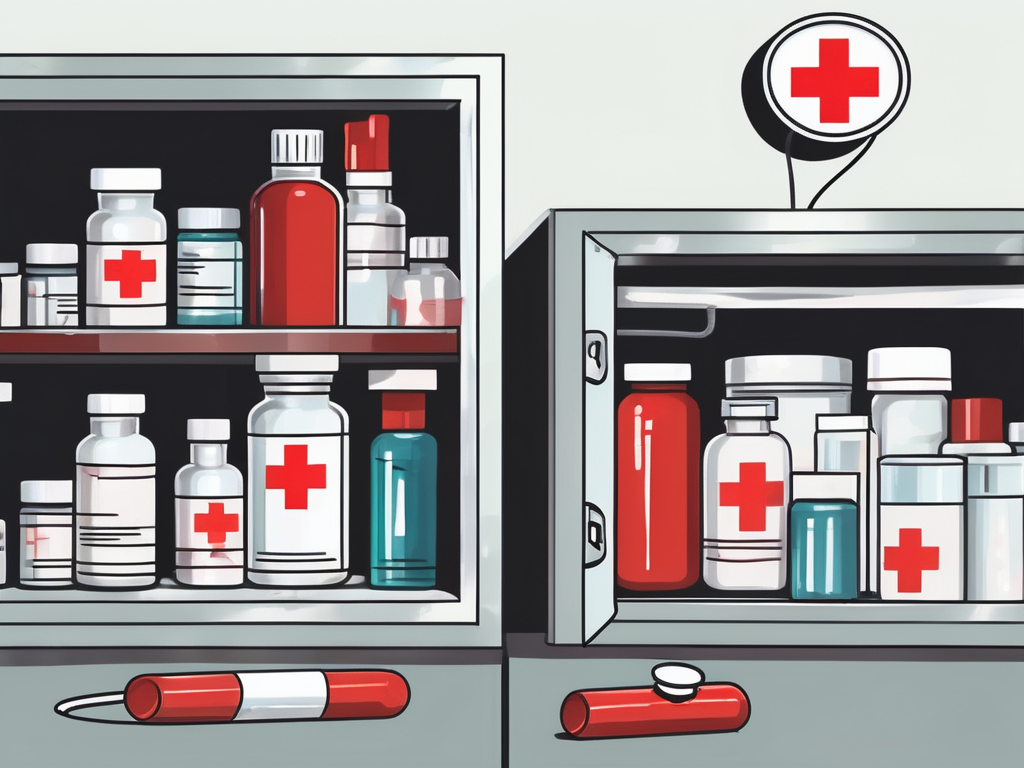
A medicine cabinet filled with various over-the-counter medications

Self-medication is a common practice for managing minor health issues like headaches, colds, or digestive discomfort. While it offers convenience and cost savings, it also comes with risks that require careful consideration. This blog explores what self-medication entails, its advantages, potential dangers, commonly used over-the-counter (OTC) medications, and when it’s critical to consult a healthcare professional.

What Is Self-Medication?

Understanding Self-Medication

Self-medication refers to treating minor health conditions without consulting a healthcare provider, typically using OTC medications, home remedies, or herbal supplements. It’s often chosen for its convenience, affordability, or due to limited access to medical services. However, self-medication can lead to risks like misdiagnosis or harmful drug interactions if not approached cautiously.

Why Is Self-Medication Popular?

The rise of online pharmacies and health information websites has made self-medication more prevalent. People can research symptoms, find medication recommendations, and purchase drugs without a prescription. While this autonomy is appealing, it’s vital to balance convenience with safety by seeking professional advice when needed.

What Are the Benefits of Self-Medication?

Convenience and Accessibility

OTC medications are widely available at pharmacies, grocery stores, and online platforms, allowing quick relief for minor ailments like colds or aches. This accessibility is especially helpful for those with busy schedules or limited access to healthcare facilities, enabling treatment outside regular clinic hours.

Cost-Effectiveness

Self-medication is often more affordable than prescription drugs or doctor visits. For individuals without comprehensive insurance, OTC options can save money. By addressing minor issues early, self-medication may also prevent costly medical interventions later.

Empowerment and Health Literacy

Managing minor health issues independently fosters a sense of control and encourages individuals to learn about their health. This increased awareness can lead to better preventive care and informed decision-making, improving long-term health outcomes.

What Are the Risks of Self-Medication?

Misdiagnosis and Incorrect Dosage

Without professional guidance, individuals may misinterpret symptoms or choose inappropriate medications, leading to ineffective treatment or adverse effects. Incorrect dosages can exacerbate health issues or cause new complications.

Drug Interactions and Side Effects

OTC drugs can interact with prescription medications, leading to harmful effects. Some individuals may also experience side effects or allergic reactions they’re unaware of, increasing health risks.

Risk of Addiction and Overuse

Prolonged or improper use of certain OTC drugs, like pain relievers, can lead to dependency or addiction. Overuse may also mask underlying conditions, delaying proper diagnosis and treatment.

What Precautions Should You Take When Self-Medicating?

Follow Medication Instructions

Always read and follow the dosage instructions on OTC medications. If you’re unsure about a drug’s suitability, consult a pharmacist for guidance.

Avoid Self-Diagnosis for Serious Conditions

Self-medication is appropriate for minor ailments but should never replace professional diagnosis for persistent or severe symptoms. Online resources can be misleading, so rely on qualified healthcare providers for accurate assessments.

Special Considerations for Pregnancy and Breastfeeding

Certain medications can harm a developing fetus or pass through breast milk. Pregnant or breastfeeding individuals should consult a healthcare professional before taking any medication to ensure safety.

What Are Common Over-the-Counter Medications?

Pain Relievers and Anti-Inflammatory Drugs

Pain relievers like acetaminophen (Tylenol), ibuprofen, and aspirin are widely used for headaches, muscle pain, or mild injuries. Acetaminophen reduces pain and fever, while ibuprofen and aspirin, both NSAIDs, also address inflammation. Aspirin may be used for heart health due to its blood-thinning properties.

Cold and Allergy Medications

Antihistamines (e.g., loratadine, cetirizine) relieve allergy symptoms like sneezing or watery eyes by blocking histamine. Decongestants (e.g., pseudoephedrine) reduce nasal congestion, while cough syrups with dextromethorphan or guaifenesin help manage coughing or mucus.

Digestive Aids and Antacids

Antacids (e.g., Tums, Rolaids) neutralize stomach acid for quick relief from heartburn or indigestion. Proton pump inhibitors like omeprazole reduce acid production for more severe cases, while digestive enzymes (e.g., amylase, lipase) aid digestion in conditions like pancreatic insufficiency.

When Should You Seek Professional Help?

Persistent or Worsening Symptoms

If symptoms persist, worsen, or are severe, consult a healthcare provider immediately. Self-medication is unsuitable for complex or chronic conditions requiring professional diagnosis and treatment.

Mental Health Concerns

Issues like depression or anxiety require specialized care from mental health professionals. Self-medication can be dangerous and ineffective for psychological conditions, so seek therapy or counseling for proper management.

Severe Physical Trauma

Sudden injuries like fractures, deep cuts, or head trauma demand immediate medical attention. Delaying treatment can lead to complications, so prioritize professional care in these cases.

How to Practice Safe Self-Medication

To ensure safe self-medication:

  • Verify Symptoms: Ensure the condition is minor and suitable for OTC treatment.
  • Check Drug Interactions: Consult a pharmacist if you’re taking other medications.
  • Limit Duration: Use OTC drugs for short-term relief and seek help if symptoms persist.
  • Stay Informed: Educate yourself about the medications you use, including potential side effects.

By combining caution with knowledge, self-medication can be a practical tool for managing minor ailments while prioritizing your health.

Conclusion

Self-medication offers a convenient, cost-effective way to manage minor health issues like headaches, colds, or indigestion. However, it requires careful consideration to avoid risks like misdiagnosis, drug interactions, or overuse. By understanding the benefits and limitations of self-medication, using OTC medications responsibly, and seeking professional help when necessary, you can maintain control over your health while ensuring safety. Always prioritize professional guidance for persistent, severe, or complex conditions to safeguard your well-being.

Tags
A1C test diabetes heart health diabetic retinopathy fruit and blood sugar type 1 diabetes how to lower HbA1c diabetic breakfast ideas post-meal blood sugar Indian diabetes plate foods for diabetes shopping diabetes and alcohol low blood sugar at night diabetes excessive thirst insulin site rotation why diabetes is considered as a lifestyle disease blood pressure diabetes eye test rice and diabetes type 1 diabetes symptoms fasting sugar normal range PCOS and diabetes blood sugar after food diabetes portion control diabetes kidney tests alcohol blood sugar diabetes diabetes sweating at night diabetes dry mouth insulin lumps Medicine lifestyle diabetes cholesterol diabetes kidney care can diabetics eat rice insulin diabetes high fasting blood sugar PCOS insulin resistance postprandial glucose low glycaemic index foods for diabetes urine albumin diabetes can diabetics drink alcohol diabetes headache frequent urination diabetes diabetes weight gain Health type 2 diabetes lifestyle disease living with diabetes diabetic kidney disease diabetes diet India prediabetes diet reverse prediabetes naturally PCOS diabetes risk dawn phenomenon diabetes low GI foods India eGFR diabetes diabetes and dizziness high blood sugar headache diabetes fatigue diabetes and weight gain Lifestyle exercise and diabetes diabetes habits kidney tests diabetes morning blood sugar prediabetes food prediabetes reversal gestational diabetes diet Indian morning sugar high diabetes low GI diet diabetes and dental problems dizziness diabetes low blood sugar headache diabetes tiredness insulin weight gain Home remedies blood sugar control diabetes management high blood sugar symptoms fasting sugar high lower diabetes risk how to prevent type 2 diabetes pregnancy diabetes diet high fasting sugar in morning diabetes and fatty liver diabetes gum disease low sugar dizziness blood sugar monitoring at home high blood sugar tiredness diabetes swollen feet Fitness physical activity insulin resistance hyperglycemia symptoms dawn phenomenon diabetes and weight loss insulin resistance diet gestational diabetes meal plan diabetes and cholesterol fatty liver diabetes dry mouth diabetes diabetes leg pain when to check blood sugar diabetes constipation swollen feet diabetes Prevention diabetes foot care insulin sensitivity diabetes warning signs diabetes myths weight loss diabetes Indian foods for insulin resistance diabetic foot ulcer diabetes lipid profile insulin resistance fatty liver diabetes urine infection diabetic leg cramps blood glucose monitoring diabetes and constipation diabetes foot swelling Hygiene diabetic foot type 2 diabetes risk normal blood sugar levels diabetes facts insulin resistance weight loss improve insulin sensitivity diabetes foot wound cholesterol in diabetes diabetes skin problems frequent UTI diabetes diabetes nerve pain legs metformin for diabetes constipation diabetes Ailments foot health diabetes and sleep fasting blood sugar diabetes misconceptions diabetes medicine safety diabetic neuropathy symptoms diabetic foot ulcer warning signs can diabetics eat mango diabetes itching urinary infection diabetes diabetes slow wound healing metformin side effects diabetes numbness in hands Hindi gestational diabetes poor sleep blood sugar HbA1c diabetes symptoms in women diabetes medicines diabetes nerve damage diabetes and blood pressure mango and diabetes dark patches diabetes diabetes stomach problems diabetes wounds metformin safety diabetes tingling hands skin diseases pregnancy diabetes sleep and diabetes diabetes in India women diabetes signs diabetes treatment advice tingling feet diabetes high blood pressure diabetes mango sugar diabetes walking after meals for diabetes diabetic gastroparesis diabetic wound care diabetes ketoacidosis warning signs diabetic neuropathy hands acne vulgaris symptoms blood sugar pregnancy diabetes and stress diabetes risk factors India diabetes risk women Indian diabetic diet chart diabetes eye disease diabetes heart kidney risk diabetes reversal vs remission post meal walk diabetes diabetes bloating nausea diabetes yeast infection DKA symptoms fasting with diabetes AI Search low blood sugar stress blood sugar diabetes prevention India diabetes symptoms in men diabetic meal plan diabetic eye test borderline HbA1c diabetes remission walking lowers blood sugar diabetes sick day rules diabetes fungal infection ketones diabetes diabetes fasting safety blood sugar hypoglycemia cortisol diabetes best fruits for diabetes men diabetes signs HbA1c test high protein breakfast for diabetes HbA1c 5.7 to 6.4 reverse type 2 diabetes diabetes grocery list India diabetes during illness diabetes vaginal itching diabetes blurry vision can diabetics fast fasting glucose diabetes safety diabetes eye care diabetes fruits diabetes risk men HbA1c normal range diabetes breakfast India prediabetes HbA1c diabetes plate method diabetic food list India blood sugar fever infection diabetes night sweats high blood sugar blurry vision insulin injection sites
More blogs
Nishat Anjum
Nishat Anjum
• May 26, 2026
• 19 min read

Fasting With Diabetes: Safety Rules, Blood Sugar Checks, Medicines, and Warning Signs

A practical guide to fasting with diabetes, including who should avoid fasting, glucose checks, medicine safety, hydration, meals, and warning signs.

Diabetes
A medicine cabinet filled with various over-the-counter medications
Naimish Mishra
Naimish Mishra
• May 26, 2026
• 18 min read

Diabetes and Constipation: Causes, Nerve Link, Food, Fluids, and When to See a Doctor

Understand why constipation may happen with diabetes, including nerve changes, medicines, low fibre, dehydration, food habits, and warning signs.

Diabetes
A medicine cabinet filled with various over-the-counter medications
Varshitha Sotala
Varshitha Sotala
• May 26, 2026
• 19 min read

Diabetes and Weight Gain: Insulin Resistance, Medicines, Hunger, and Healthy Weight Control

Understand why weight gain can happen with diabetes, including insulin resistance, medicines, hunger, low sugar, sleep, stress, and healthy weight-control steps.

Diabetes
A medicine cabinet filled with various over-the-counter medications
Do you remember your last sugar reading?
Log and Track your glucose on the Tap Health App
All logs in one place
Smart trend graphs
Medicine Reminder
100% Ad Free
Download Now

Missed your diabetes meds

again? Not anymore.

Get medicine reminders on your phone.

✓ Glucose diary and Insights
✓ Smart Nudges
✓ All logs at one place
✓ 100% Ad free
Download Free
tap health
tap.health logo
copyright © 2025
2nd Floor,Plot No 4, Minarch Tower,
Sector 44,Gurugram, 122003,
Haryana, India
  • About Us
  • Blog
  • Doctor login
  • Contact Us
  • Privacy Policy
  • Return / Shipping Policy
  • Terms and Conditions
Get Your Free AI Diabetes Coach