High testosterone in women, though less common than in men, can significantly impact physical, emotional, and psychological health. Recognizing the signs of elevated testosterone levels is crucial for early diagnosis and effective management. This article explores the role of testosterone in women, key symptoms of high testosterone, its health implications, and how it’s diagnosed, providing a comprehensive guide for better understanding and addressing this hormonal imbalance.
What Is the Role of Testosterone in Women?
Testosterone, often considered a male hormone, is vital for women’s health, produced in the ovaries and adrenal glands. It supports muscle mass, bone density, energy levels, and libido. Additionally, testosterone influences mood, cognitive function, and overall well-being. Optimal levels contribute to confidence, motivation, and mental clarity. However, when testosterone levels exceed the normal range of 15-70 ng/dL, women may experience various symptoms that affect their quality of life.
What Are the Physical Signs of High Testosterone in Women?
Elevated testosterone levels can manifest in noticeable physical changes. Here are the primary physical symptoms:
1. Excess Body Hair (Hirsutism)
High testosterone often leads to hirsutism, characterized by coarse, dark hair growth in areas like the face, chest, back, or arms. This excessive hair growth can cause self-consciousness and may require medical or cosmetic interventions.
2. Acne and Oily Skin
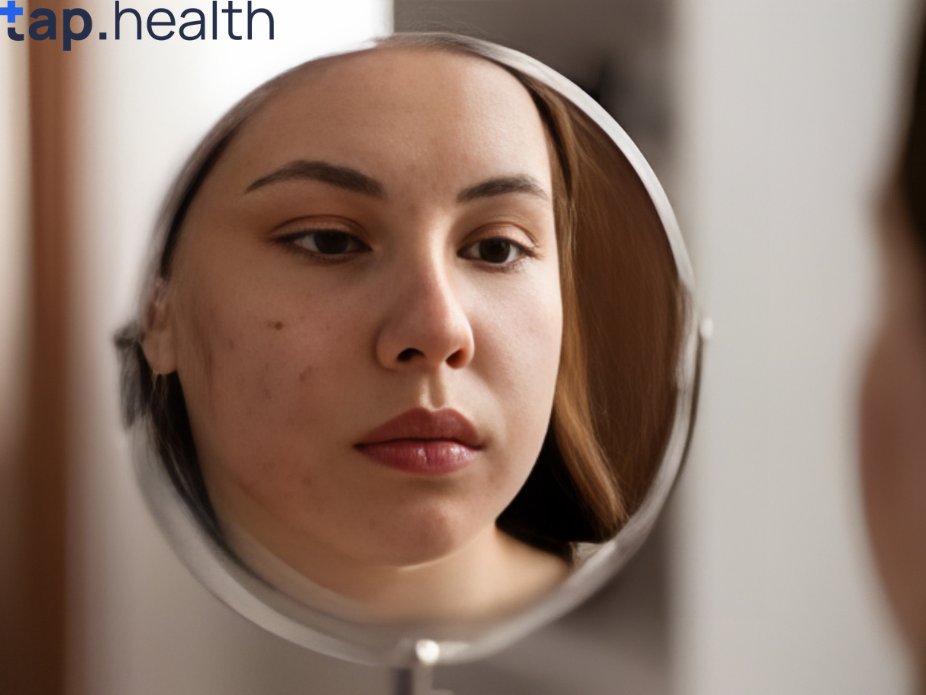
Increased testosterone stimulates sebum production, resulting in oily skin and acne. Women may notice pimples, blackheads, or whiteheads, particularly on the face, chest, or upper back.
3. Changes in Body Composition
High testosterone can increase muscle mass, especially in the upper body, giving a leaner, more toned appearance. It may also reduce subcutaneous fat, even without changes in diet or exercise.
4. Menstrual Irregularities
Elevated testosterone can disrupt the menstrual cycle, leading to irregular periods, heavier or lighter flows, or missed cycles. These changes can affect fertility and reproductive health.
What Are the Emotional and Psychological Signs of High Testosterone?
Beyond physical symptoms, high testosterone can influence emotional and psychological well-being. Key signs include:
1. Mood Swings and Irritability
Women with elevated testosterone may experience mood swings, heightened irritability, or difficulty managing stress. These emotional fluctuations can strain personal and professional relationships.
2. Increased Aggression or Dominance
High testosterone may lead to more assertive or competitive behaviors. While not universal, some women may notice a tendency to take charge in social or work settings.
3. Changes in Libido
Testosterone is closely linked to sexual desire. Elevated levels can increase libido, leading to heightened sexual thoughts or desires. However, some women may experience a decreased libido due to associated hormonal imbalances.
What Health Risks Are Associated with High Testosterone in Women?
High testosterone levels can have significant health implications, particularly when left unaddressed. Key risks include:
1. Polycystic Ovary Syndrome (PCOS)
PCOS is a common hormonal disorder linked to high testosterone. It can cause ovarian cysts, insulin resistance, and fertility issues. Women with PCOS may also face increased risks of diabetes and cardiovascular disease.
2. Cardiovascular Health Risks
Elevated testosterone is associated with an increased risk of cardiovascular issues, such as hypertension and heart disease. Regular monitoring of heart health is essential for women with high testosterone.
3. Impact on Self-Esteem
Physical symptoms like acne, hirsutism, or male-pattern baldness can affect self-esteem and mental health. Addressing these symptoms through medical or lifestyle interventions can improve quality of life.
How Is High Testosterone Diagnosed in Women?
Diagnosing high testosterone involves a combination of symptom evaluation and medical testing. Here’s how it’s done:
1. Blood Tests and Hormone Panels
Blood tests measure total and free testosterone levels to assess whether they fall outside the normal range (15-70 ng/dL). Hormone panels may also evaluate other hormones like DHEA-S, androstenedione, and SHBG to provide a complete hormonal profile.
2. Interpreting Results
Healthcare professionals analyze test results alongside symptoms, medical history, and potential underlying conditions like PCOS or adrenal disorders. This comprehensive approach ensures an accurate diagnosis and tailored treatment plan.
How Can High Testosterone in Women Be Managed?
Managing high testosterone involves addressing both symptoms and underlying causes. Common approaches include:
1. Lifestyle Changes
A balanced diet, regular exercise, and stress management can help regulate hormone levels. Weight management is particularly important for women with PCOS, as excess weight can exacerbate symptoms.
2. Medical Interventions
Hormonal therapies, such as oral contraceptives or anti-androgens, may be prescribed to balance testosterone levels. Treating underlying conditions like PCOS or adrenal disorders is also critical.
3. Cosmetic Treatments
For symptoms like hirsutism or acne, cosmetic treatments such as laser hair removal or dermatological therapies can help improve appearance and self-confidence.
4. Regular Monitoring
Routine check-ups and blood tests allow healthcare providers to monitor testosterone levels and adjust treatment plans as needed.
Why Is Early Detection Important?
Early detection of high testosterone levels can prevent long-term health complications. By recognizing symptoms like hirsutism, acne, or irregular periods, women can seek timely medical advice. Addressing hormonal imbalances early improves reproductive health, reduces cardiovascular risks, and enhances emotional well-being. Consulting a healthcare professional for proper diagnosis and personalized treatment is essential for optimal outcomes.
Conclusion
High testosterone in women can lead to a range of physical, emotional, and psychological symptoms, from excess body hair and acne to mood swings and increased libido. Understanding these signs and their health implications, such as PCOS and cardiovascular risks, is crucial for early intervention. Through blood tests, hormone panels, and personalized treatment plans, women can effectively manage high testosterone and improve their quality of life. If you suspect elevated testosterone levels, consult a healthcare provider to explore diagnosis and management options tailored to your needs.