tap.health logo
  • Diabetes Management
  • Health Assistant
  • About Us
  • Blog
  • Contact Us
Get Plan
  • Diabetes Management
  • Health Assistant
  • About Us
  • Blog
  • Contact Us
  • All Blogs
  • Product
  • Sleep Apnea and Type 2 Diabetes: The Sleep-Oxygen-Insulin Link

Sleep Apnea and Type 2 Diabetes: The Sleep-Oxygen-Insulin Link

Product
June 10, 2026
• 6 min read
Naimish Mishra
Written by
Naimish Mishra
ChatGPT Perplexity WhatsApp LinkedIn X Grok Google AI

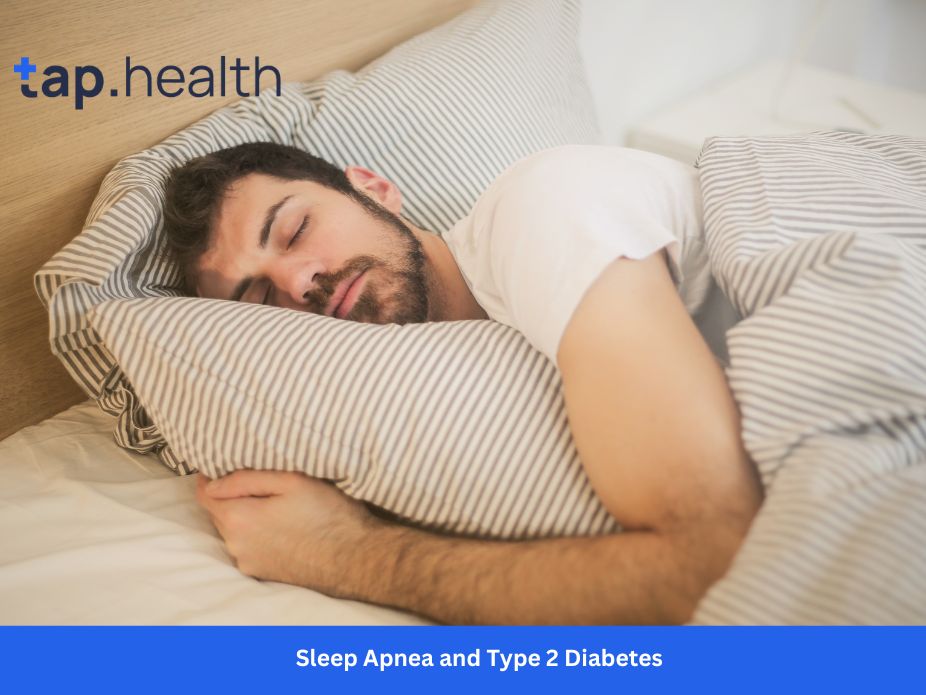
When we discuss the management and prevention of Type 2 diabetes, the conversation typically revolves around diet, exercise, and pharmaceutical interventions. We track carbohydrate counts, calculate insulin sensitivity factors, and emphasize the importance of physical activity. However, a major and frequently overlooked pillar of metabolic health is sleep—specifically, how we breathe while we sleep.

Clinical research has established a strong, bi-directional relationship between Obstructive Sleep Apnea (OSA) and Type 2 diabetes. OSA is not merely a cause of snoring or daytime fatigue; it is a significant metabolic disruptor. The repeated cessation of breathing during the night leads to intermittent hypoxia (oxygen deprivation), which triggers a cascade of hormonal and inflammatory changes that directly cause insulin resistance and impair glucose regulation.

This guide provides a comprehensive, evidence-based exploration of the sleep-oxygen-insulin link. We will discuss the pathophysiology of OSA, explain how nighttime oxygen drops trigger systemic inflammation, analyze the effects of cortisol and sympathetic nervous system activation, review the diagnostic tools (such as the STOP-Bang questionnaire), and evaluate the clinical evidence surrounding CPAP therapy and blood sugar control.

—

1. What is Obstructive Sleep Apnea (OSA)?

Obstructive Sleep Apnea is a common sleep-related breathing disorder characterized by repetitive collapse of the upper airway during sleep. This collapse leads to transient pauses in breathing, known as apneas (complete airflow cessation for 10 seconds or longer), or partial reductions in airflow, known as hypopneas (airflow reduction accompanied by oxygen desaturation).

The Apnea-Hypopnea Index (AHI)

The severity of OSA is measured using the Apnea-Hypopnea Index (AHI), which represents the average number of apnea and hypopnea events per hour of sleep:

  • Normal: AHI < 5 events/hour
  • Mild OSA: AHI 5 to 15 events/hour
  • Moderate OSA: AHI 15 to 30 events/hour
  • Severe OSA: AHI > 30 events/hour

During an obstructive event, the respiratory effort continues, but airflow is blocked by the collapsed soft tissues in the throat (such as the soft palate and tongue). This blockage causes blood oxygen levels to drop, eventually triggering a brief arousal from sleep (often unrecognized by the patient) to restore muscle tone in the upper airway and resume breathing. In severe cases, these events can occur 60 to 100 times per hour, severely disrupting sleep architecture.

—

2. Pathophysiology: Intermittent Hypoxia and Insulin Resistance

The primary mechanism linking OSA to insulin resistance is intermittent hypoxia (IH)—the repetitive drops and restorations of blood oxygen levels throughout the night. This cycle mimics the physiological effects of ischemia-reperfusion injury, inducing high levels of oxidative stress.

Mitochondrial Dysfunction and ROS

Intermittent hypoxia disrupts the mitochondrial electron transport chain in cells. As oxygen levels fluctuate, mitochondria produce excessive amounts of Reactive Oxygen Species (ROS).

ROS accumulation triggers several pathological pathways:

1. HIF-1alpha Activation: Hypoxia-inducible factor 1-alpha is upregulated, altering the expression of genes involved in glucose metabolism.

2. Inflammatory Kinase Activation: ROS activate stress-sensitive kinases, particularly JNK (c-Jun N-terminal kinase) and IKK-beta.

3. IRS-1 Serine Phosphorylation: These activated kinases phosphorylate IRS-1 (Insulin Receptor Substrate-1) at serine residues (such as Ser307), blocking the insulin signaling pathway and preventing GLUT4 glucose transporters from translocating to the cell membrane. This results in insulin resistance in skeletal muscle and adipose tissue.

—

3. Autonomic Activation, Cortisol, and Overnight Glycemia

Every time an apnea event occurs and oxygen levels drop, the brain interprets this oxygen deprivation as a life-threatening emergency, triggering a strong stress response.

Sympathetic Nervous System (SNS) Hyperactivity

The body responds to airway obstruction by activating the sympathetic nervous system (the “fight-or-flight” response). Epinephrine (adrenaline) and norepinephrine are released into the bloodstream:

  • Vasoconstriction: Raises blood pressure overnight.
  • Hepatic Glucose Output: Epinephrine signals the liver to rapidly break down stored glycogen (glycogenolysis) and release glucose into the blood.
  • Suppression of Insulin: Adrenaline binds to receptors in the pancreas, inhibiting insulin secretion.

This overnight sympathetic activation explains why many sleep apnea patients experience elevated blood glucose levels during the early morning hours, complicating the management of conditions like the Dawn Phenomenon.

HPA Axis Activation and Cortisol

The repeated micro-arousals and physical stress of airway collapse stimulate the Hypothalamic-Pituitary-Adrenal (HPA) axis, resulting in elevated nocturnal secretion of cortisol (the primary glucocorticoid stress hormone).

Cortisol worsens glycemic control by:

  • Promoting gluconeogenesis in the liver.
  • Directly antagonizing insulin receptors in peripheral tissues.
  • Disrupting normal sleep cycles, reducing slow-wave (deep) sleep and REM sleep, both of which are critical for insulin sensitivity.

—

4. The Inflammatory Link: Adipokines and Cytokines

OSA-induced intermittent hypoxia also promotes chronic, systemic inflammation by altering adipose tissue function.

Adipose Tissue Hypoxia

Visceral fat deposits are particularly sensitive to hypoxia. When systemic oxygen levels drop, visceral fat cells experience localized hypoxia, triggering a shift in the secretion of hormones and cytokines (adipokines):

  • TNF-alpha & IL-6: The secretion of these pro-inflammatory cytokines increases, promoting systemic insulin resistance.
  • Adiponectin Depletion: Adiponectin, an anti-inflammatory hormone that enhances insulin sensitivity, is significantly reduced.
  • Leptin Resistance: Leptin levels often rise (hyperleptinemia) due to hypoxia, but the body becomes resistant to its satiety signals, contributing to increased appetite and weight gain.

This chronic inflammatory state accelerates the progression of metabolic syndrome and atherosclerotic cardiovascular disease in individuals with diabetes.

—

5. Screening for OSA: The STOP-Bang Questionnaire

Because sleep apnea events occur during sleep, many individuals remain undiagnosed. The STOP-Bang Questionnaire is a validated, easy-to-use screening tool designed to identify individuals at high risk for obstructive sleep apnea.

The STOP-Bang Scoring System:

Answer Yes or No to the following questions:

1. S (Snoring): Do you snore loudly (louder than speaking or loud enough to be heard through closed doors)?

2. T (Tired): Do you often feel tired, fatigued, or sleepy during the daytime?

3. O (Observed): Has anyone observed you stop breathing or choking/gasping during your sleep?

4. P (Pressure): Do you have or are you being treated for high blood pressure?

5. B (BMI): Is your Body Mass Index (BMI) greater than 35 kg/m²?

6. A (Age): Are you older than 50 years of age?

7. N (Neck): Is your neck circumference greater than 40 cm (15.7 inches)?

8. G (Gender): Are you male?

Scoring Interpretation:

  • Low Risk: Yes to 0–2 questions.
  • Intermediate Risk: Yes to 3–4 questions.
  • High Risk: Yes to 5–8 questions (or Yes to 2 or more of the STOP questions + male gender/BMI > 35/neck circumference > 40cm).

If you score in the intermediate or high-risk category, consult your healthcare provider to discuss a diagnostic sleep study (polysomnography).

—

6. Clinical Interventions: Does CPAP Therapy Improve Blood Sugar?

The primary treatment for moderate-to-severe Obstructive Sleep Apnea is Continuous Positive Airway Pressure (CPAP) therapy. A CPAP machine delivers a constant stream of pressurized air through a mask, keeping the upper airway open and preventing apneas and hypopneas.

Impact of CPAP on Glycemic Control:

Clinical trials evaluating the impact of CPAP therapy on insulin sensitivity and HbA1c in patients with Type 2 diabetes have shown varying results:

  • Hours of Use Matter: Studies show that glycemic benefits are directly linked to compliance. Patients who use their CPAP machine for more than 4 to 5 hours per night show significant improvements in insulin sensitivity and a reduction in HbA1c (often ranging from 0.2% to 0.5%).
  • Early Intervention: The greatest glycemic improvements are seen in patients with severe sleep apnea and poorly controlled diabetes who start CPAP therapy early.
  • Autonomic Correction: CPAP therapy reduces overnight sympathetic nervous system activity and lowers morning cortisol levels, helping stabilize fasting glucose readings.

For mild OSA or patients who cannot tolerate CPAP, alternative treatments include:

  • Mandibular Advancement Devices (MAD): Oral appliances that position the lower jaw forward to keep the airway open.
  • Positional Therapy: Devices that prevent sleeping on the back (supine position), which can worsen airway collapse.
  • Weight Loss: Visceral fat reduction around the neck and abdomen can significantly reduce airway obstruction.

—

7. FAQ Section

Q1: Can treating sleep apnea reverse Type 2 diabetes?

A: Treating sleep apnea with CPAP therapy can improve insulin sensitivity and support blood sugar management, but it is rarely a standalone cure. It should be combined with dietary changes, regular exercise, and medical management.

Q2: Why does sleep apnea cause night sweats?

A: Airway collapse triggers a stress response, releasing adrenaline (epinephrine) into the blood. Adrenaline stimulates sweat glands, causing night sweats and restless sleep.

Q3: How does sleep apnea affect weight management?

A: Sleep fragmentation and hypoxia disrupt hormones that regulate appetite. Leptin (satiety hormone) resistance develops, and ghrelin (hunger hormone) increases, leading to cravings for high-calorie carbohydrates. Additionally, daytime fatigue reduces physical activity, complicating weight loss efforts.

Q4: Can I test for sleep apnea at home?

A: Yes. Many sleep clinics offer Home Sleep Apnea Tests (HSAT). These portable monitors track breathing patterns, respiratory effort, heart rate, and oxygen levels while you sleep in your own bed, and can diagnose moderate-to-severe OSA.

—

Conclusion

The sleep-oxygen-insulin link is a vital component of metabolic health. If you are struggling to manage your fasting blood glucose levels despite dietary and exercise changes, Obstructive Sleep Apnea may be a contributing factor.

By screening for symptoms with tools like the STOP-Bang questionnaire and undergoing a diagnostic sleep study, you can identify airway obstructions. Effective treatment, such as CPAP therapy, lifestyle changes, and weight management, can help reduce nocturnal cortisol spikes, improve insulin sensitivity, and support long-term metabolic health.

—

Disclaimer: The information in this article is for educational purposes only. If you suspect you have sleep apnea, consult a qualified healthcare provider for proper diagnosis and treatment.
Tags
diabetes food cravings whey protein diabetes diabetes thirst fluids skipping breakfast diabetes diabetes and blurred vision breathlessness diabetes diabetes nausea causes dry mouth high blood sugar diabetes and shoulder pain diabetes and palpitations diabetes symptoms and tests diabetes and hand tremors causes diabetes prevention foot health diabetes and sleep fasting blood sugar diabetes misconceptions diabetes medicine safety diabetic neuropathy symptoms diabetic foot ulcer warning signs can diabetics eat mango diabetes itching urinary infection diabetes diabetes slow wound healing metformin side effects diabetes numbness in hands banana for diabetes dates blood sugar jaggery for diabetes is poha good for diabetes guava blood sugar India diabetes pregnancy blood sugar targets diabetes medicine India blood sugar vs blood pressure LADA diabetes symptoms ED in diabetic men how to store insulin cataract surgery diabetes diabetes cholesterol levels Ramadan diabetes medicine timing walking after meals diabetes flu vaccine diabetes sugar cravings diabetes protein powder kidney diabetes diabetes diarrhoea vomiting diabetes breakfast skipping diabetic eye symptoms high sugar breathing problems diabetes and vomiting diabetes mouth symptoms diabetes frozen shoulder racing heart low sugar diabetes and tingling feet diabetes and appetite loss A1C gestational diabetes poor sleep blood sugar HbA1c diabetes symptoms in women diabetes medicines diabetes nerve damage diabetes and blood pressure mango and diabetes dark patches diabetes diabetes stomach problems diabetes wounds metformin safety diabetes tingling hands banana blood sugar papaya for diabetes is jaggery good for diabetes poha blood sugar orange for diabetes sugar spike after rice postpartum diabetes risk type 1 vs type 2 diabetes diabetes vs high cholesterol latent autoimmune diabetes in adults diabetes and menopause insulin storage at home diabetes and muscle loss diabetes triglycerides diabetes and shift work diabetes and smoking GLP-1 diabetes medicines diabetes hunger cravings CGM skin irritation diabetes diabetes sick day vomiting morning sugar skipping breakfast diabetes and sweating diabetes and shaking vomiting with diabetes diabetes and itchy skin shoulder stiffness diabetes heart pounding diabetes diabetes and tingling feet causes diabetes and appetite loss causes Medicine blood sugar pregnancy diabetes sleep and diabetes diabetes in India women diabetes signs diabetes treatment advice tingling feet diabetes high blood pressure diabetes mango sugar diabetes walking after meals for diabetes diabetic gastroparesis diabetic wound care diabetes ketoacidosis warning signs diabetic neuropathy hands coconut water and diabetes is papaya good for diabetes gur for diabetes sprouts for diabetes can diabetics eat oranges Indian diet diabetes diabetes after pregnancy type 1 and type 2 diabetes difference lipid profile diabetes diabetes vs MODY menopause blood sugar insulin fridge temperature diabetes muscle weakness diabetes and high blood pressure night shift diabetes smoking diabetes risk GLP-1 weight loss diabetes diabetes and fever CGM sensor rash diabetes loose motions late dinner diabetes sweating low blood sugar tremors low blood sugar diabetes and cold feet itching high blood sugar diabetes and loss of appetite diabetes and muscle weakness diabetes and sweaty feet diabetes and burning feet Health fasting glucose blood sugar pregnancy diabetes and stress diabetes risk factors India diabetes risk women Indian diabetic diet chart diabetes eye disease diabetes heart kidney risk diabetes reversal vs remission post meal walk diabetes diabetes bloating nausea diabetes yeast infection DKA symptoms fasting with diabetes coconut water for diabetes papaya blood sugar watermelon for diabetes are sprouts good for diabetes orange blood sugar glucose spike symptoms gestational diabetes India difference between type 1 and type 2 diabetes diabetes vs neuropathy MODY diabetes symptoms type 2 diabetes menopause glucometer errors sarcopenia diabetes diabetes hypertension diabetes meal timing shift work diabetes quit smoking semaglutide diabetes best shoes for diabetic feet diabetes adhesive allergy CGM diabetes and kidney stones diabetes dinner timing diabetes and leg cramps shaky feeling diabetes cold feet diabetes diabetes fungal itching loss appetite diabetes weakness high blood sugar diabetes and sweaty feet causes diabetes and burning feet causes Lifestyle A1C test low blood sugar stress blood sugar diabetes prevention India diabetes symptoms in men diabetic meal plan diabetic eye test borderline HbA1c diabetes remission walking lowers blood sugar diabetes sick day rules diabetes fungal infection ketones diabetes diabetes fasting safety can diabetics drink coconut water oats for diabetes can diabetics eat watermelon sprouts blood sugar brown bread for diabetes post meal blood sugar continuous glucose monitor India diabetes vs diabetes insipidus diabetes vs heart disease maturity onset diabetes of the young diabetes and frozen shoulder wrong blood sugar reading diabetes and anaemia BP in diabetes diabetes and vitamin D diabetes neuropathy pain relief diabetes and migraine diabetic socks foot ulcer prevention diabetes monsoon care kidney stones diabetes night sugar late dinner leg cramps diabetes diabetes and periods diabetes poor circulation feet diabetes and swollen ankles diabetes not feeling hungry diabetes leg weakness diabetes and neck pain diabetes and slow digestion Home remedies diabetes diet hypoglycemia cortisol diabetes best fruits for diabetes men diabetes signs HbA1c test high protein breakfast for diabetes HbA1c 5.7 to 6.4 reverse type 2 diabetes diabetes grocery list India diabetes during illness diabetes vaginal itching diabetes blurry vision can diabetics fast curd for diabetes oatmeal diabetes watermelon blood sugar methi seeds for diabetes bread for diabetes insulin resistance symptoms CGM cost India diabetes mellitus vs diabetes insipidus diabetes heart disease risk continuous glucose monitor diabetes frozen shoulder diabetes reactive hypoglycaemia anaemia diabetes HbA1c diabetes and liver enzymes vitamin D deficiency diabetes diabetic neuropathy burning feet diabetes headache triggers diabetes and driving diabetes rainy season foot infection diabetes urine pain diabetes medicine timing diabetes muscle cramps periods affect blood sugar hair loss diabetes ankle swelling diabetes diabetes and restless legs diabetes and memory problems diabetes and neck pain causes diabetes and slow digestion causes Fitness balanced meals diabetes safety diabetes eye care diabetes fruits diabetes risk men HbA1c normal range diabetes breakfast India prediabetes HbA1c diabetes plate method diabetic food list India blood sugar fever infection diabetes night sweats high blood sugar blurry vision insulin injection sites is curd good for diabetes are oats good for diabetes apple for diabetes fenugreek for diabetes whole wheat bread diabetes diabetes blood pressure time in range diabetes insipidus symptoms diabetes and heart attack CGM diabetes diabetic shoulder pain low blood sugar after eating low haemoglobin diabetes high SGPT diabetes vitamin D insulin resistance diabetes gastroparesis blood sugar migraine driving with diabetes monsoon diabetes tips diabetes foot nail care diabetes medicine before or after food diabetes and frequent infections menstrual cycle diabetes diabetes hair fall causes diabetes leg swelling causes restless leg syndrome diabetes diabetes brain fog diabetes and chest pain Prevention healthy eating diabetes heart health diabetic retinopathy fruit and blood sugar type 1 diabetes how to lower HbA1c diabetic breakfast ideas post-meal blood sugar Indian diabetes plate foods for diabetes shopping diabetes and alcohol low blood sugar at night diabetes excessive thirst insulin site rotation diabetes curd milk for diabetes can diabetics eat apple methi diabetes avocado for diabetes diabetes heart risk glucometer accuracy diabetes vs metabolic syndrome gestational diabetes vs type 2 diabetes continuous glucose monitoring metformin vitamin B12 deficiency postprandial hypoglycaemia diabetes and uric acid SGOT SGPT diabetes diabetes and magnesium diabetic gastroparesis symptoms diabetes and thyroid medication low blood sugar driving diabetes and antibiotics diabetic nail cutting missed diabetes medicine dose recurrent infections diabetes time in range diabetes diabetes wounds not healing diabetes and headache diabetes leg discomfort night memory loss blood sugar diabetes and chest pain causes Hygiene why diabetes is considered as a lifestyle disease blood pressure diabetes eye test rice and diabetes type 1 diabetes symptoms fasting sugar normal range PCOS and diabetes blood sugar after food diabetes portion control diabetes kidney tests alcohol blood sugar diabetes diabetes sweating at night diabetes dry mouth insulin lumps tea and coffee in diabetes can diabetics drink milk apple blood sugar cinnamon for diabetes is avocado good for diabetes ABC diabetes diabetes technology metabolic syndrome and diabetes pregnancy diabetes and type 2 diabetes steroid induced diabetes metformin B12 symptoms type 3c diabetes high uric acid diabetes diabetes and dental health magnesium deficiency diabetes delayed stomach emptying diabetes levothyroxine diabetes diabetes in older adults antibiotics blood sugar diabetes diabetes fungal nail infection diabetes airport travel diabetes infection symptoms CGM time in range diabetes and increased appetite headache low blood sugar fever high blood sugar diabetes and skin discolouration diabetes and cough Ailments lifestyle diabetes cholesterol diabetes kidney care can diabetics eat rice insulin diabetes high fasting blood sugar PCOS insulin resistance postprandial glucose low glycaemic index foods for diabetes urine albumin diabetes can diabetics drink alcohol diabetes headache frequent urination diabetes diabetes weight gain coffee diabetes best milk for diabetes eggs for diabetes cinnamon blood sugar avocado blood sugar kidney risk diabetes CGM vs glucometer India metabolic syndrome symptoms gestational diabetes future risk steroid diabetes symptoms vitamin B12 test metformin pancreatogenic diabetes diabetes gout risk tooth infection diabetes magnesium insulin sensitivity diabetes and UTI thyroid medicine blood sugar elderly diabetes care infection treatment diabetes antibiotics CGM vs glucometer insulin airport security dizziness low blood sugar time in range targets constant hunger diabetes high sugar headache sick day diabetes yellow skin diabetes diabetes and cough causes Hindi type 2 diabetes lifestyle disease living with diabetes diabetic kidney disease diabetes diet India prediabetes diet reverse prediabetes naturally PCOS diabetes risk dawn phenomenon diabetes low GI foods India eGFR diabetes diabetes and dizziness high blood sugar headache diabetes fatigue diabetes and weight gain tea diabetes peanuts for diabetes are eggs good for diabetes dalchini for diabetes travelling with diabetes diabetes footwear diabetes reversal myths diabetes vs thyroid diabetes vs anaemia steroids high blood sugar diabetes distress diabetes caused by pancreas disease diabetes and PCOS diabetes and skin infections protein intake diabetes urinary tract infection diabetes diabetes fatigue after eating diabetes low sugar older adults diabetes workplace health CGM vs finger prick diabetes travel documents dizziness high blood sugar millets for diabetes diabetes hunger causes diabetes and bladder problems diabetes and daytime sleepiness diabetes and night urination diabetes and snoring skin diseases exercise and diabetes diabetes habits kidney tests diabetes morning blood sugar prediabetes food prediabetes reversal gestational diabetes diet Indian morning sugar high diabetes low GI diet diabetes and dental problems dizziness diabetes low blood sugar headache diabetes tiredness insulin weight gain roti for diabetes are peanuts good for diabetes egg diabetes amla for diabetes diabetes travel checklist blurred vision diabetes HbA1c remission diabetes and thyroid disease diabetes fatigue or anaemia diabetes and hair loss diabetes burnout diabetes and bone health PCOS insulin resistance diabetes boils diabetes diabetes protein diet diabetes women's sexual health sleepy after meals diabetes diabetes blood tests diabetes desk job diabetes CGM accuracy night hypoglycaemia symptoms diabetes and skin tags ragi jowar bajra diabetes diabetes and morning constipation diabetes urinary symptoms diabetes fatigue sleepiness urinating at night diabetes diabetes and snoring causes acne vulgaris symptoms blood sugar control diabetes management high blood sugar symptoms fasting sugar high lower diabetes risk how to prevent type 2 diabetes pregnancy diabetes diet high fasting sugar in morning diabetes and fatty liver diabetes gum disease low sugar dizziness blood sugar monitoring at home high blood sugar tiredness diabetes swollen feet best roti for diabetes peanuts blood sugar paneer for diabetes amla juice diabetes insulin travel storage fundus exam diabetes remission vs reversal thyroid blood sugar anaemia diabetes symptoms diabetes hair loss causes diabetes burnout symptoms diabetes osteoporosis diabetes and sleep apnoea diabetes and travel protein foods for diabetes diabetes vaginal dryness post meal sugar spike tiredness diabetes test list office snacks diabetes early signs of insulin resistance diabetes low sugar during sleep dark neck insulin resistance best millet for blood sugar constipation diabetes morning diabetes and body odour diabetes and bloating nocturia diabetes diabetes and morning fatigue AI Search physical activity insulin resistance hyperglycemia symptoms dawn phenomenon diabetes and weight loss insulin resistance diet gestational diabetes meal plan diabetes and cholesterol fatty liver diabetes dry mouth diabetes diabetes leg pain when to check blood sugar diabetes constipation swollen feet diabetes chapati diabetes sweet potato for diabetes is paneer good for diabetes amla blood sugar diabetes hot weather eye care diabetes vildagliptin diabetes vs PCOS diabetes vs Cushing syndrome hair fall in diabetes diabetes depression anxiety diabetes fracture risk sleep apnea diabetes travel with diabetes diabetes and fibre diabetes sexual problems women diabetes meal timing blood tests for diabetes checkup diabetes and dehydration insulin resistance tests constipation in diabetes acanthosis nigricans diabetes diabetes and nausea morning bowel movement diabetes diabetes smell sweat bloating with diabetes diabetes and numbness in hands diabetes and morning fatigue causes type 2 diabetes diabetes foot care insulin sensitivity diabetes warning signs diabetes myths weight loss diabetes Indian foods for insulin resistance diabetic foot ulcer diabetes lipid profile insulin resistance fatty liver diabetes urine infection diabetic leg cramps blood glucose monitoring diabetes and constipation diabetes foot swelling can diabetics eat dates can diabetics eat sweet potato paneer diabetes guava for diabetes diabetes dehydration diabetic retinopathy symptoms vildagliptin benefits in type 2 diabetes patients diabetes vs hypertension Cushing syndrome blood sugar diabetes and erectile dysfunction diabetes and depression diabetes and cataracts snoring diabetes insulin resistance diabetes Ramadan fasting fibre foods for diabetes diabetes and vaccines best time to eat for diabetes protein powder diabetes dehydration blood sugar walk after dinner blood sugar diabetes constipation relief diabetes and shortness of breath nausea with diabetes diabetes and dry mouth fruity breath diabetes diabetes stomach gas diabetes and numbness in hands causes diabetes and hand tremors prediabetes diabetic foot type 2 diabetes risk normal blood sugar levels diabetes facts insulin resistance weight loss improve insulin sensitivity diabetes foot wound cholesterol in diabetes diabetes skin problems frequent UTI diabetes diabetes nerve pain legs metformin for diabetes constipation diabetes can diabetics eat banana dates for diabetes sweet potato blood sugar poha for diabetes can diabetics eat guava heat and blood sugar GDM screening DPP-4 inhibitor diabetes and hypertension diabetes vs LADA erectile dysfunction diabetes diabetes anxiety symptoms diabetic cataract symptoms diabetes and high cholesterol diabetes fasting Ramadan soluble fibre blood sugar vaccines for diabetes late night eating diabetes
More blogs
Kazima Qureshi
Kazima Qureshi
• July 17, 2026
• 19 min read

Diabetes and Hand Tremors: Low Sugar, Medicines, Anxiety, and What to Do

A detailed, research-based guide to diabetes and hand tremors, including causes, tests, safe care, and warning signs.

Diabetes
K. Siva Jyothi
K. Siva Jyothi
• July 17, 2026
• 19 min read

Diabetes and Morning Fatigue: Sleep, High Sugar, Anaemia, Thyroid, and Tests

A detailed, research-based guide to diabetes and morning fatigue, including causes, tests, safe care, and warning signs.

Diabetes
Isha Yadav
Isha Yadav
• July 17, 2026
• 19 min read

Diabetes and Snoring: Sleep Apnoea, Weight, Blood Sugar, and Testing

A detailed, research-based guide to diabetes and snoring, including causes, tests, safe care, and warning signs.

Diabetes
Do you remember your last sugar reading?
Log and Track your glucose on the Tap Health App
All logs in one place
Smart trend graphs
Medicine Reminder
100% Ad Free
Start Now

Missed your diabetes meds

again? Not anymore.

Get medicine reminders on your phone.

✓ Glucose diary and Insights
✓ Smart Nudges
✓ All logs at one place
✓ 100% Ad free
Start for free
tap health
tap.health logo
copyright © 2025
2nd Floor,Plot No 4, Minarch Tower,
Sector 44,Gurugram, 122003,
Haryana, India
  • About Us
  • Blog
  • Doctor login
  • Contact Us
  • Privacy Policy
  • Return / Shipping Policy
  • Terms and Conditions
Get Your Free AI Diabetes Coach