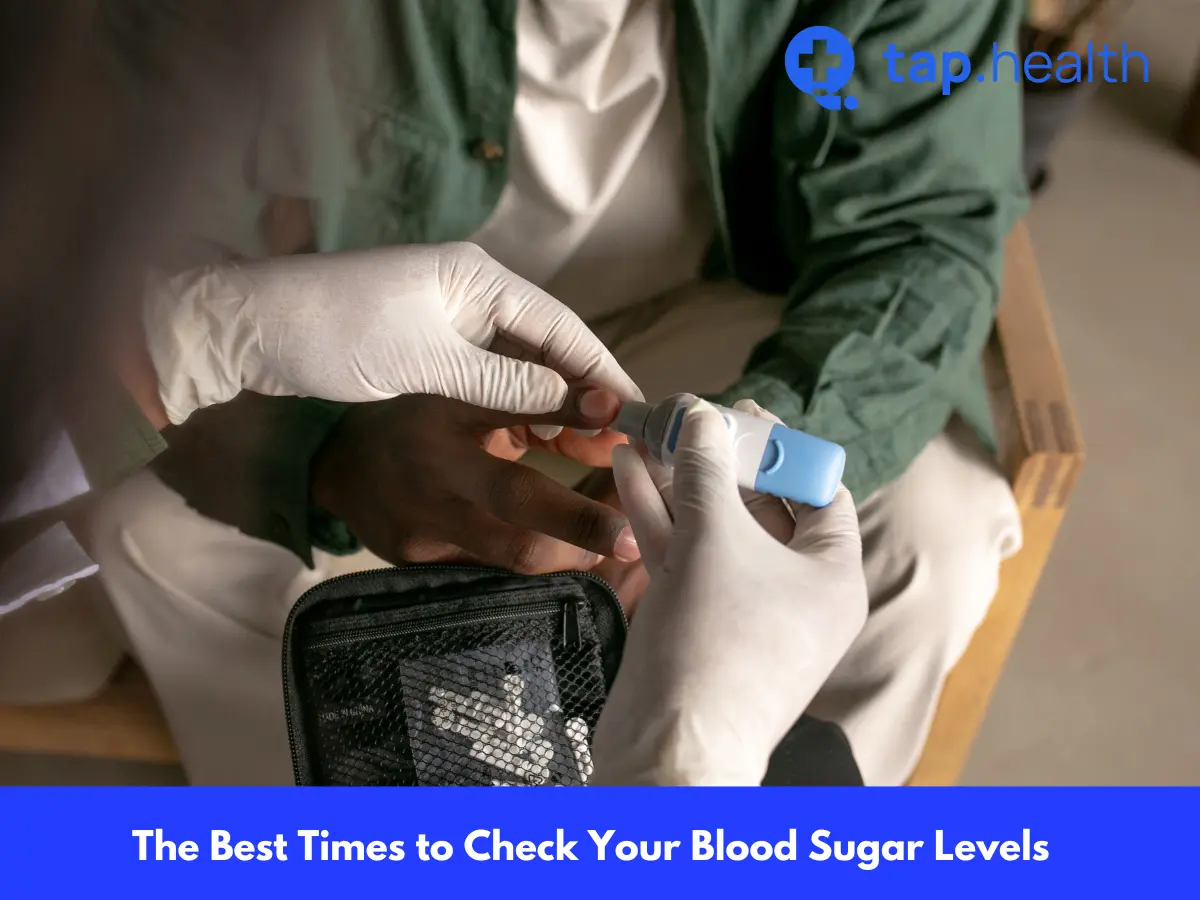
Managing your blood sugar levels is crucial, especially if you have diabetes. Knowing the best times to check your blood sugar can help you keep it under control and maintain good health. This article will explain when and why you should check your blood sugar levels in simple terms, making it easy to understand for everyone.
Understanding Blood Sugar
What is Blood Sugar?
Blood sugar, also known as blood glucose, is the main type of sugar found in your blood. It comes from the food you eat and is your body’s main source of energy. Your body needs blood sugar to function properly, especially your brain.
Why is Blood Sugar Important?
Maintaining the right level of blood sugar is crucial for your health. If your blood sugar is too high or too low, it can lead to serious health problems. Keeping track of your blood sugar helps you manage diabetes and prevent complications.
Why Check Your Blood Sugar?
Monitoring Diabetes
If you have diabetes, checking your blood sugar helps you understand how your body handles sugar. It shows you how well your diabetes treatment is working and helps you make decisions about your diet, exercise, and medications.
Preventing Complications
Regularly checking your blood sugar can help prevent complications like heart disease, kidney damage, nerve problems, and eye issues. It allows you to take action before these problems become serious.
The Best Times to Check Your Blood Sugar
Checking your blood sugar at the right times can give you a clear picture of how well you are managing your diabetes. Here are the key times when you should check your blood sugar levels:
1. Before Meals
Why Check Before Meals?
Checking your blood sugar before eating helps you understand how much sugar is in your blood right before you eat. This information helps you decide how much insulin you might need or how much carbohydrate you should eat.
How to Check Before Meals:
- Wash your hands with soap and water.
- Insert a test strip into your glucose meter.
- Use a lancet to prick the side of your finger.
- Place the blood drop on the test strip.
- Wait for the meter to display your blood sugar level.
2. After Meals
Why Check After Meals?
Checking your blood sugar after eating shows how your body responds to the food you ate. It helps you see how different foods affect your blood sugar levels.
When to Check After Meals:
- Typically 1-2 hours after starting a meal.
How to Check After Meals:
- Follow the same steps as checking before meals.
- Record the time and the blood sugar level.
3. Before Bed
Why Check Before Bed?
Checking your blood sugar before bed helps you make sure it’s not too high or too low overnight. This can prevent problems like hypoglycemia (low blood sugar) while you sleep.
How to Check Before Bed:
- Follow the same steps as checking before meals.
- Ensure you have a stable blood sugar level before going to sleep.
4. When You Wake Up
Why Check When You Wake Up?
Checking your blood sugar when you wake up helps you understand your fasting blood sugar level. It shows how your body manages blood sugar overnight.
How to Check When You Wake Up:
- Check before eating or drinking anything.
- Follow the same steps as checking before meals.
5. During Physical Activity
Why Check During Physical Activity?
Exercise affects your blood sugar levels. Checking before and after physical activity helps you see how exercise impacts your blood sugar and prevents it from dropping too low.
How to Check During Physical Activity:
- Check before you start exercising.
- Check again after you finish.
6. When You Feel Sick or Stressed
Why Check When Sick or Stressed?
Being sick or stressed can affect your blood sugar levels. Checking more often during these times helps you manage your diabetes better.
How to Check When Sick or Stressed:
- Check your blood sugar more frequently.
- Follow your healthcare provider’s advice on managing blood sugar during illness or stress.
7. When Adjusting Medications
Why Check When Adjusting Medications?
Changing your diabetes medications can affect your blood sugar levels. Checking regularly helps you and your healthcare provider see how the changes are working.
How to Check When Adjusting Medications:
- Follow the same steps as checking before meals.
- Keep a close record of your blood sugar levels.
How to Keep Track of Your Blood Sugar Levels
Keeping a record of your blood sugar levels helps you and your healthcare provider make informed decisions about your diabetes management.
Using a Blood Sugar Log
A blood sugar log is a simple chart where you write down your blood sugar readings, the time, what you ate, and any physical activity or medications taken. This helps you see patterns and identify what affects your blood sugar levels.
Using Technology
There are many apps and devices that can help you track your blood sugar levels. These tools can make it easier to record your readings and share them with your healthcare provider.
Tips for Accurate Blood Sugar Testing
To get the most accurate blood sugar readings, follow these tips:
1. Wash Your Hands
Clean your hands with soap and water before testing. Dirt and food residue can affect the reading.
2. Use a New Lancet
Use a fresh lancet each time you test your blood sugar to avoid infection and ensure a clean puncture.
3. Properly Insert the Test Strip
Make sure the test strip is correctly inserted into the glucose meter for an accurate reading.
4. Use Enough Blood
Ensure you have enough blood on the test strip. Too little blood can result in an inaccurate reading.
5. Follow Meter Instructions
Each glucose meter has specific instructions. Follow them carefully to get the best results.
What to Do with Your Blood Sugar Readings
Knowing your blood sugar levels is important, but knowing what to do with them is even more crucial.
1. Compare with Your Targets
Your healthcare provider will set target blood sugar levels for you. Compare your readings with these targets to see if your blood sugar is under control.
2. Adjust Your Diet and Exercise
If your blood sugar is too high or too low, you may need to adjust your diet or exercise routine. Talk to your healthcare provider for advice.
3. Take Medications as Prescribed
If you are taking diabetes medications or insulin, make sure you take them as prescribed. Your blood sugar readings can help determine if your medications are working.
4. Seek Medical Advice
If your blood sugar levels are consistently too high or too low, contact your healthcare provider. They can help you make necessary changes to your treatment plan.
The Importance of Regular Blood Sugar Testing
Regularly testing your blood sugar levels helps you stay on top of your diabetes management. It allows you to:
- Prevent Complications: Early detection of high or low blood sugar can prevent serious health problems.
- Improve Control: Knowing your blood sugar levels helps you make better choices about food, exercise, and medications.
- Gain Confidence: Regular testing helps you understand how your body responds to different factors, giving you more control over your health.
Common Myths About Blood Sugar Testing
There are many myths about blood sugar testing that can make managing diabetes confusing. Let’s clear up some common misconceptions:
Myth 1: You Don’t Need to Test Blood Sugar Regularly
Fact: Regular testing is essential for managing diabetes effectively. It helps you understand how your body responds to different factors and prevents complications.
Myth 2: Testing Blood Sugar is Painful and Inconvenient
Fact: While it may be uncomfortable at first, many people find that testing becomes easier over time. Modern glucose meters are designed to minimize pain and make testing quick and simple.
Myth 3: If I Feel Fine, My Blood Sugar is Fine
Fact: Blood sugar levels can be high or low without any obvious symptoms. Regular testing is the only way to know for sure how your blood sugar is doing.
Myth 4: Only People with Diabetes Need to Monitor Blood Sugar
Fact: Even if you don’t have diabetes, monitoring your blood sugar can be important for maintaining overall health, especially if you are at risk of developing diabetes.
Frequently Asked Questions (FAQs) on The Best Times to Check Your Blood Sugar Levels
1. How often should I check my blood sugar levels?
It depends on your diabetes type and treatment plan. Generally, people with Type 1 Diabetes may need to check multiple times a day, while those with Type 2 Diabetes may check fewer times. Always follow your healthcare provider’s advice.
2. What is a normal blood sugar level?
Normal blood sugar levels vary. For most adults, before meals, it’s typically between 70-130 mg/dL, and after meals, it’s less than 180 mg/dL. Your healthcare provider will set specific targets for you.
3. What should I do if my blood sugar is too high?
If your blood sugar is too high, check if you have taken your medication correctly, eat healthy, and stay hydrated. Contact your healthcare provider if it remains high.
4. What should I do if my blood sugar is too low?
If your blood sugar is too low, eat or drink something with sugar, like juice or glucose tablets. Rest and monitor your blood sugar. If symptoms persist, seek medical help.
5. Can diet affect my blood sugar levels?
Yes, the foods you eat have a significant impact on your blood sugar levels. Eating balanced meals with the right mix of carbohydrates, proteins, and fats helps keep your blood sugar steady.
6. How does exercise impact blood sugar levels?
Exercise helps lower blood sugar by making your body use glucose for energy. It also improves insulin sensitivity
7. Can stress affect my blood sugar levels?
Yes, stress can raise blood sugar levels by releasing hormones like cortisol. Managing stress through relaxation techniques can help keep your blood sugar stable.
8. What tools do I need to check my blood sugar?
You need a glucose meter, test strips, and a lancet device. Some meters also require control solutions to ensure accuracy.
9. How do I store my blood sugar testing supplies?
Store your supplies properly: Keep test strips in a cool, dry place, and replace lancets regularly. Follow the manufacturer’s instructions for your glucose meter.
10. Do I need to calibrate my glucose meter?
Some glucose meters require calibration with a control solution to ensure accuracy. Check your meter’s instructions and perform calibrations as needed.
11. When is the most accurate time to test blood sugar?
The most accurate time to test blood sugar is first thing in the morning before eating (fasting glucose). Testing before meals, two hours after meals, and before bedtime also provides reliable readings. These times give a clear picture of how your body manages blood sugar throughout the day.
12. What time of day is blood sugar highest?
Blood sugar is often highest in the early morning hours, usually between 5 AM and 8 AM, due to the “dawn phenomenon.” This is when hormones like cortisol and adrenaline naturally rise, causing the liver to release glucose. Blood sugar can also peak after meals, especially high-carbohydrate ones.
Conclusion
Knowing the best times to check your blood sugar levels is a key part of managing diabetes effectively. By checking before and after meals, before bed, when you wake up, during physical activity, when you’re sick or stressed, and when adjusting medications, you can keep your blood sugar levels steady and prevent complications.
Remember to keep a blood sugar log, use accurate testing methods, and follow your healthcare provider’s advice. Managing diabetes and keeping blood sugar levels under control can lead to a healthier, happier life. Always consult your healthcare provider for personalized advice and treatment plans.
References
- Centers for Disease Control and Prevention (CDC) – Diabetes Blood Sugar Levels
- Mayo Clinic – Blood Sugar Testing
- National Institute of Diabetes and Digestive and Kidney Diseases (NIDDK) – Monitoring Your Diabetes