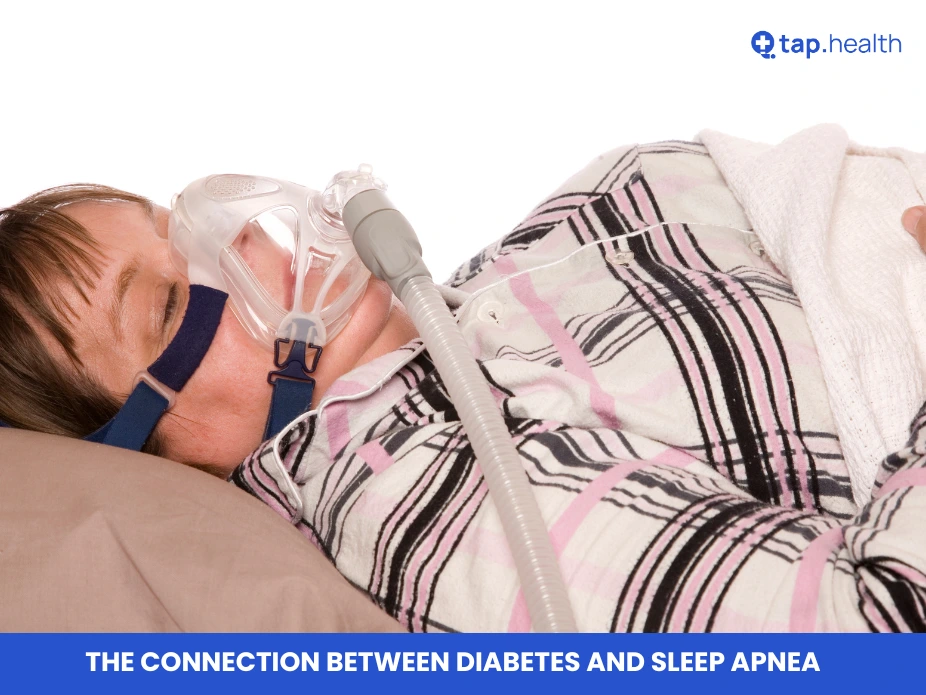
Diabetes and sleep apnea are two common health conditions that affect millions of people worldwide. While they may seem unrelated at first glance, research has shown a significant connection between the two. Sleep apnea, a sleep disorder characterized by brief interruptions in breathing during sleep, can worsen the symptoms of diabetes, and vice versa. In this article, we will explore the relationship between diabetes and sleep apnea, the underlying mechanisms, and strategies for managing both conditions to improve quality of life.
What is Sleep Apnea?
Sleep apnea is a condition that causes a person’s breathing to stop and start repeatedly during sleep. The two most common types of sleep apnea are:
- Obstructive Sleep Apnea (OSA): This is the most common type, caused by a physical blockage of the throat’s airway when the muscles in the back of the throat relax too much during sleep.
- Central Sleep Apnea (CSA): This type occurs when the brain fails to send appropriate signals to the muscles that control breathing.
- Complex Sleep Apnea Syndrome: A combination of both obstructive and central sleep apnea.
The key symptoms of sleep apnea include loud snoring, choking or gasping during sleep, excessive daytime sleepiness, and difficulty concentrating. If left untreated, sleep apnea can lead to serious health complications, including heart disease, stroke, and high blood pressure.
What is Diabetes?
Diabetes is a group of diseases that affect how your body uses blood sugar (glucose). Glucose is an essential source of energy for the body, and insulin is a hormone that helps regulate blood sugar levels. There are two main types of diabetes:
- Type 1 Diabetes: An autoimmune condition in which the body attacks the insulin-producing cells in the pancreas, leading to little or no insulin production.
- Type 2 Diabetes: A condition in which the body becomes resistant to insulin or doesn’t produce enough insulin. It is often associated with obesity, physical inactivity, and poor diet.
Diabetes can lead to a range of complications, including nerve damage, kidney disease, heart disease, and poor circulation. Managing blood sugar levels through lifestyle changes, medication, and regular monitoring is key to preventing complications.
The Connection Between Diabetes and Sleep Apnea
Recent research has revealed a bidirectional relationship between diabetes and sleep apnea. Both conditions can worsen each other, and having one can increase the risk of developing the other. Let’s break down how these two health issues are interconnected.
1. How Sleep Apnea Affects Diabetes
Sleep apnea, particularly obstructive sleep apnea (OSA), can significantly impact diabetes management. The intermittent lack of oxygen during sleep, which is common in sleep apnea, can have several effects on the body that worsen insulin resistance, making it harder to control blood sugar levels.
Mechanisms:
- Intermittent Hypoxia: In sleep apnea, breathing is disrupted multiple times per hour, leading to drops in blood oxygen levels (intermittent hypoxia). This condition has been shown to increase insulin resistance, which is a key factor in the development of Type 2 diabetes.
- Inflammation: Sleep apnea triggers inflammation in the body. Chronic inflammation is a key driver of insulin resistance and can worsen diabetes control.
- Sympathetic Nervous System Activation: The frequent awakenings and oxygen deprivation in sleep apnea activate the sympathetic nervous system (the fight-or-flight response), leading to increased production of stress hormones like cortisol. High cortisol levels can interfere with insulin function and increase blood sugar levels.
- Poor Sleep Quality: Sleep apnea leads to fragmented and poor-quality sleep, which can increase appetite, disrupt metabolism, and reduce the body’s ability to process insulin effectively.
2. How Diabetes Contributes to Sleep Apnea
Diabetes, especially Type 2 diabetes, increases the risk of developing sleep apnea. The mechanisms are thought to be related to changes in the body caused by long-term high blood sugar levels and insulin resistance.
Mechanisms:
- Obesity: One of the most significant risk factors for both Type 2 diabetes and sleep apnea is obesity. Excess fat, especially in the neck and throat area, can obstruct the airway and increase the likelihood of developing sleep apnea.
- Nerve Damage: High blood sugar levels over time can cause nerve damage (neuropathy), which may affect the muscles that control the throat, making it easier for the airway to collapse during sleep.
- Hormonal Imbalances: Diabetes can cause hormonal imbalances that may interfere with normal sleep patterns, leading to an increased risk of sleep apnea.
- Fatty Deposits: Chronic high blood sugar levels can lead to the accumulation of fat around the upper airway, which can contribute to airway obstruction and increase the risk of developing obstructive sleep apnea.
Risks of Coexisting Diabetes and Sleep Apnea
Having both diabetes and sleep apnea can lead to several complications that can severely affect health. The following are some of the risks associated with coexisting diabetes and sleep apnea:
1. Increased Risk of Cardiovascular Disease
Both diabetes and sleep apnea are major risk factors for cardiovascular disease. When combined, the risk is even higher. Sleep apnea leads to repeated drops in oxygen levels during sleep, which can increase blood pressure and strain the heart. In individuals with diabetes, high blood sugar levels also contribute to heart disease by promoting inflammation, damaging blood vessels, and increasing the risk of atherosclerosis (plaque buildup in arteries).
2. Worsening of Insulin Resistance
The presence of sleep apnea can worsen insulin resistance, making it harder to manage blood sugar levels. Insulin resistance occurs when the body’s cells no longer respond effectively to insulin, and this leads to higher blood sugar levels. This can lead to poorer diabetes control and increased risk of complications like diabetic retinopathy, kidney disease, and neuropathy.
3. Increased Risk of Stroke
Both sleep apnea and diabetes are risk factors for stroke. The oxygen deprivation caused by sleep apnea can lead to an increased risk of stroke, particularly in people with diabetes, who are already at higher risk due to poor circulation and high blood sugar levels.
4. Poor Sleep and Daytime Fatigue
The combination of sleep apnea and diabetes can lead to chronic fatigue and daytime drowsiness. Poor sleep quality due to sleep apnea leads to excessive daytime sleepiness, which can affect productivity and quality of life. This can also interfere with the management of diabetes, as people may struggle to make healthy lifestyle choices when they are fatigued.
Managing Both Diabetes and Sleep Apnea
Given the connection between diabetes and sleep apnea, managing both conditions is essential for improving overall health and quality of life. Here are the key strategies:
1. Diagnosing and Treating Sleep Apnea
The first step in managing sleep apnea is getting a proper diagnosis. If you suspect you have sleep apnea, consult with a healthcare provider who can recommend a sleep study (polysomnography) to assess the severity of the condition. Treatment options for sleep apnea include:
- Continuous Positive Airway Pressure (CPAP): A CPAP machine is the most common treatment for obstructive sleep apnea. It uses a mask to deliver a continuous flow of air to keep the airway open during sleep.
- Lifestyle Changes: Losing weight, avoiding alcohol and sedatives before bed, and sleeping on your side can help alleviate sleep apnea symptoms.
- Oral Appliances: In mild cases of sleep apnea, dental devices that reposition the jaw may be used to prevent airway obstruction.
2. Blood Sugar Management
Managing blood sugar levels is critical for people with diabetes and sleep apnea. Here are some tips to improve blood sugar control:
- Healthy Eating: Follow a balanced, low-glycemic diet that helps regulate blood sugar levels. Focus on whole foods, lean proteins, healthy fats, and complex carbohydrates.
- Exercise: Regular physical activity improves insulin sensitivity and helps with weight management. Both aerobic and strength training exercises are beneficial for controlling blood sugar levels.
- Medication: If lifestyle changes aren’t enough, medications such as metformin or GLP-1 agonists may be prescribed to help control blood sugar levels.
3. Weight Management
Maintaining a healthy weight is one of the most effective ways to manage both diabetes and sleep apnea. Losing excess weight can reduce fat around the neck and upper airway, which can help alleviate sleep apnea symptoms. A weight loss of just 5-10% of body weight can improve both sleep apnea and insulin sensitivity.
4. Improving Sleep Hygiene
In addition to treating sleep apnea, improving sleep hygiene can enhance overall sleep quality. Here are some tips:
- Establish a regular sleep schedule.
- Create a relaxing bedtime routine.
- Limit screen time before bed.
- Keep the bedroom cool, dark, and quiet.
Real-Life Scenarios
Scenario 1: Tom’s Struggle with Diabetes and Sleep Apnea
Tom, a 58-year-old man, was diagnosed with Type 2 diabetes and had difficulty managing his blood sugar levels. He also complained of constant fatigue and snored loudly at night. After undergoing a sleep study, he was diagnosed with obstructive sleep apnea. Tom began using a CPAP machine and focused on weight loss through diet and exercise. Over time, his sleep improved, and his blood sugar levels stabilized, allowing him to reduce his medication.
Scenario 2: Sarah’s Battle with Both Conditions
Sarah, a 45-year-old woman with Type 2 diabetes, had a history of poor sleep and excessive daytime sleepiness. After a sleep study revealed severe sleep apnea, she started using a CPAP machine and lost weight by adopting a healthier diet and regular exercise routine. As a result, Sarah reported better sleep quality, improved energy levels, and better control over her diabetes.
Expert Contributions
Dr. Michael Brooks, Endocrinologist
“Sleep apnea is a major concern for people with diabetes, as it can worsen insulin resistance. Addressing both conditions simultaneously is crucial for optimal health.”
Dr. Jennifer Harris, Sleep Specialist
“By treating sleep apnea effectively, patients with diabetes can see improvements in their blood sugar control. A multidisciplinary approach involving both endocrinologists and sleep specialists is ideal.”
Recommendations Grounded in Proven Research and Facts
Research supports the idea that treating sleep apnea can improve blood sugar control in individuals with diabetes. For instance, a study published in The Journal of Clinical Endocrinology & Metabolism found that CPAP therapy significantly improved insulin sensitivity in patients with Type 2 diabetes and sleep apnea.
Factual and Reliable Information
This article is based on current research and expert opinions regarding the connection between diabetes and sleep apnea. For more information, consider reviewing the following sources:
- American Diabetes Association: Diabetes and Sleep Apnea
- National Sleep Foundation: Sleep Apnea and Diabetes
FAQs on The Connection Between Diabetes and Sleep Apnea
Diabetes and sleep apnea are two common health conditions that affect millions of people worldwide. While they may seem unrelated at first glance, research has shown a significant connection between the two. Sleep apnea, a sleep disorder characterized by brief interruptions in breathing during sleep, can worsen the symptoms of diabetes, and vice versa. In this article, we will explore the relationship between diabetes and sleep apnea, the underlying mechanisms, and strategies for managing both conditions to improve quality of life.
What is Sleep Apnea?
Sleep apnea is a condition that causes a person’s breathing to stop and start repeatedly during sleep. The two most common types of sleep apnea are:
- Obstructive Sleep Apnea (OSA): This is the most common type, caused by a physical blockage of the throat’s airway when the muscles in the back of the throat relax too much during sleep.
- Central Sleep Apnea (CSA): This type occurs when the brain fails to send appropriate signals to the muscles that control breathing.
- Complex Sleep Apnea Syndrome: A combination of both obstructive and central sleep apnea.
The key symptoms of sleep apnea include loud snoring, choking or gasping during sleep, excessive daytime sleepiness, and difficulty concentrating. If left untreated, sleep apnea can lead to serious health complications, including heart disease, stroke, and high blood pressure.
What is Diabetes?
Diabetes is a group of diseases that affect how your body uses blood sugar (glucose). Glucose is an essential source of energy for the body, and insulin is a hormone that helps regulate blood sugar levels. There are two main types of diabetes:
- Type 1 Diabetes: An autoimmune condition in which the body attacks the insulin-producing cells in the pancreas, leading to little or no insulin production.
- Type 2 Diabetes: A condition in which the body becomes resistant to insulin or doesn’t produce enough insulin. It is often associated with obesity, physical inactivity, and poor diet.
Diabetes can lead to a range of complications, including nerve damage, kidney disease, heart disease, and poor circulation. Managing blood sugar levels through lifestyle changes, medication, and regular monitoring is key to preventing complications.
The Connection Between Diabetes and Sleep Apnea
Recent research has revealed a bidirectional relationship between diabetes and sleep apnea. Both conditions can worsen each other, and having one can increase the risk of developing the other. Let’s break down how these two health issues are interconnected.
1. How Sleep Apnea Affects Diabetes
Sleep apnea, particularly obstructive sleep apnea (OSA), can significantly impact diabetes management. The intermittent lack of oxygen during sleep, which is common in sleep apnea, can have several effects on the body that worsen insulin resistance, making it harder to control blood sugar levels.
Mechanisms:
- Intermittent Hypoxia: In sleep apnea, breathing is disrupted multiple times per hour, leading to drops in blood oxygen levels (intermittent hypoxia). This condition has been shown to increase insulin resistance, which is a key factor in the development of Type 2 diabetes.
- Inflammation: Sleep apnea triggers inflammation in the body. Chronic inflammation is a key driver of insulin resistance and can worsen diabetes control.
- Sympathetic Nervous System Activation: The frequent awakenings and oxygen deprivation in sleep apnea activate the sympathetic nervous system (the fight-or-flight response), leading to increased production of stress hormones like cortisol. High cortisol levels can interfere with insulin function and increase blood sugar levels.
- Poor Sleep Quality: Sleep apnea leads to fragmented and poor-quality sleep, which can increase appetite, disrupt metabolism, and reduce the body’s ability to process insulin effectively.
2. How Diabetes Contributes to Sleep Apnea
Diabetes, especially Type 2 diabetes, increases the risk of developing sleep apnea. The mechanisms are thought to be related to changes in the body caused by long-term high blood sugar levels and insulin resistance.
Mechanisms:
- Obesity: One of the most significant risk factors for both Type 2 diabetes and sleep apnea is obesity. Excess fat, especially in the neck and throat area, can obstruct the airway and increase the likelihood of developing sleep apnea.
- Nerve Damage: High blood sugar levels over time can cause nerve damage (neuropathy), which may affect the muscles that control the throat, making it easier for the airway to collapse during sleep.
- Hormonal Imbalances: Diabetes can cause hormonal imbalances that may interfere with normal sleep patterns, leading to an increased risk of sleep apnea.
- Fatty Deposits: Chronic high blood sugar levels can lead to the accumulation of fat around the upper airway, which can contribute to airway obstruction and increase the risk of developing obstructive sleep apnea.
Risks of Coexisting Diabetes and Sleep Apnea
Having both diabetes and sleep apnea can lead to several complications that can severely affect health. The following are some of the risks associated with coexisting diabetes and sleep apnea:
1. Increased Risk of Cardiovascular Disease
Both diabetes and sleep apnea are major risk factors for cardiovascular disease. When combined, the risk is even higher. Sleep apnea leads to repeated drops in oxygen levels during sleep, which can increase blood pressure and strain the heart. In individuals with diabetes, high blood sugar levels also contribute to heart disease by promoting inflammation, damaging blood vessels, and increasing the risk of atherosclerosis (plaque buildup in arteries).
2. Worsening of Insulin Resistance
The presence of sleep apnea can worsen insulin resistance, making it harder to manage blood sugar levels. Insulin resistance occurs when the body’s cells no longer respond effectively to insulin, and this leads to higher blood sugar levels. This can lead to poorer diabetes control and increased risk of complications like diabetic retinopathy, kidney disease, and neuropathy.
3. Increased Risk of Stroke
Both sleep apnea and diabetes are risk factors for stroke. The oxygen deprivation caused by sleep apnea can lead to an increased risk of stroke, particularly in people with diabetes, who are already at higher risk due to poor circulation and high blood sugar levels.
4. Poor Sleep and Daytime Fatigue
The combination of sleep apnea and diabetes can lead to chronic fatigue and daytime drowsiness. Poor sleep quality due to sleep apnea leads to excessive daytime sleepiness, which can affect productivity and quality of life. This can also interfere with the management of diabetes, as people may struggle to make healthy lifestyle choices when they are fatigued.
Managing Both Diabetes and Sleep Apnea
Given the connection between diabetes and sleep apnea, managing both conditions is essential for improving overall health and quality of life. Here are the key strategies:
1. Diagnosing and Treating Sleep Apnea
The first step in managing sleep apnea is getting a proper diagnosis. If you suspect you have sleep apnea, consult with a healthcare provider who can recommend a sleep study (polysomnography) to assess the severity of the condition. Treatment options for sleep apnea include:
- Continuous Positive Airway Pressure (CPAP): A CPAP machine is the most common treatment for obstructive sleep apnea. It uses a mask to deliver a continuous flow of air to keep the airway open during sleep.
- Lifestyle Changes: Losing weight, avoiding alcohol and sedatives before bed, and sleeping on your side can help alleviate sleep apnea symptoms.
- Oral Appliances: In mild cases of sleep apnea, dental devices that reposition the jaw may be used to prevent airway obstruction.
2. Blood Sugar Management
Managing blood sugar levels is critical for people with diabetes and sleep apnea. Here are some tips to improve blood sugar control:
- Healthy Eating: Follow a balanced, low-glycemic diet that helps regulate blood sugar levels. Focus on whole foods, lean proteins, healthy fats, and complex carbohydrates.
- Exercise: Regular physical activity improves insulin sensitivity and helps with weight management. Both aerobic and strength training exercises are beneficial for controlling blood sugar levels.
- Medication: If lifestyle changes aren’t enough, medications such as metformin or GLP-1 agonists may be prescribed to help control blood sugar levels.
3. Weight Management
Maintaining a healthy weight is one of the most effective ways to manage both diabetes and sleep apnea. Losing excess weight can reduce fat around the neck and upper airway, which can help alleviate sleep apnea symptoms. A weight loss of just 5-10% of body weight can improve both sleep apnea and insulin sensitivity.
4. Improving Sleep Hygiene
In addition to treating sleep apnea, improving sleep hygiene can enhance overall sleep quality. Here are some tips:
- Establish a regular sleep schedule.
- Create a relaxing bedtime routine.
- Limit screen time before bed.
- Keep the bedroom cool, dark, and quiet.
Real-Life Scenarios
Scenario 1: Tom’s Struggle with Diabetes and Sleep Apnea
Tom, a 58-year-old man, was diagnosed with Type 2 diabetes and had difficulty managing his blood sugar levels. He also complained of constant fatigue and snored loudly at night. After undergoing a sleep study, he was diagnosed with obstructive sleep apnea. Tom began using a CPAP machine and focused on weight loss through diet and exercise. Over time, his sleep improved, and his blood sugar levels stabilized, allowing him to reduce his medication.
Scenario 2: Sarah’s Battle with Both Conditions
Sarah, a 45-year-old woman with Type 2 diabetes, had a history of poor sleep and excessive daytime sleepiness. After a sleep study revealed severe sleep apnea, she started using a CPAP machine and lost weight by adopting a healthier diet and regular exercise routine. As a result, Sarah reported better sleep quality, improved energy levels, and better control over her diabetes.
Expert Contributions
Dr. Michael Brooks, Endocrinologist
“Sleep apnea is a major concern for people with diabetes, as it can worsen insulin resistance. Addressing both conditions simultaneously is crucial for optimal health.”
Dr. Jennifer Harris, Sleep Specialist
“By treating sleep apnea effectively, patients with diabetes can see improvements in their blood sugar control. A multidisciplinary approach involving both endocrinologists and sleep specialists is ideal.”
Recommendations Grounded in Proven Research and Facts
Research supports the idea that treating sleep apnea can improve blood sugar control in individuals with diabetes. For instance, a study published in The Journal of Clinical Endocrinology & Metabolism found that CPAP therapy significantly improved insulin sensitivity in patients with Type 2 diabetes and sleep apnea.
Factual and Reliable Information
This article is based on current research and expert opinions regarding the connection between diabetes and sleep apnea. For more information, consider reviewing the following sources:
How Can TapHealth Help You Manage Diabetes More Effectively?
TapHealth empowers individuals with diabetes by offering reliable, research-based health insights, symptom analysis, and personalized guidance. With access to expert-approved information and tools like voice-enabled health queries and AI-powered support, TapHealth simplifies diabetes management. Whether it’s sleep issues like sleep apnea, blood sugar fluctuations, or lifestyle planning, TapHealth helps you take informed steps toward better health — anytime, anywhere.
- American Diabetes Association: Diabetes and Sleep Apnea
- National Sleep Foundation: Sleep Apnea and Diabetes
FAQs
Q1: Can sleep apnea cause diabetes?
Yes, sleep apnea can worsen insulin resistance, which may increase the risk of developing Type 2 diabetes.
Q2: How can I improve both my diabetes and sleep apnea?
Managing weight, improving sleep quality, using CPAP therapy, and maintaining a healthy lifestyle are key to improving both conditions.
Q3: Is CPAP therapy effective for managing sleep apnea in diabetics?
Yes, CPAP therapy can improve sleep quality and insulin sensitivity, helping to better manage diabetes.
Q4: Can losing weight help with both diabetes and sleep apnea?
Yes, weight loss can reduce fat around the neck, improving sleep apnea symptoms, and it also helps to manage blood sugar levels in diabetes.
Managing both diabetes and sleep apnea is essential for maintaining overall health and preventing long-term complications. By addressing both conditions simultaneously through lifestyle changes, medical treatment, and consistent monitoring, individuals can improve their quality of life and reduce the risk of severe health problems.