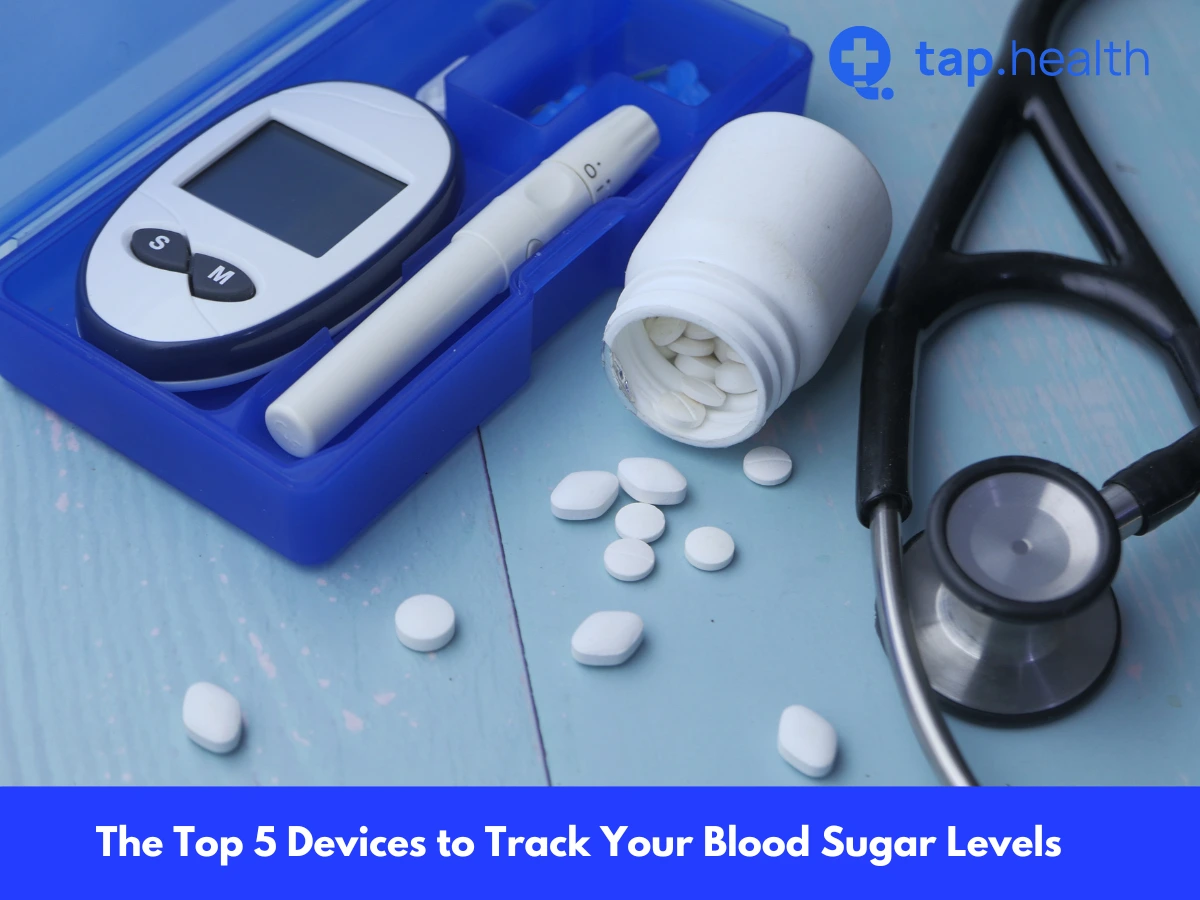
Managing blood sugar levels remains essential for diabetes care. Regular glucose monitoring helps prevent complications, informs diet and exercise choices, and supports better treatment decisions. In 2025, advanced devices offer accurate, convenient options ranging from traditional meters to cutting-edge continuous glucose monitors (CGMs). This guide explores the top 5 blood glucose monitoring devices, highlighting their features, pros, cons, and popular models.
Why Is Blood Glucose Monitoring Important?
Effective blood sugar tracking plays a key role in diabetes management:
- Prevents Complications: It avoids risks like heart disease, kidney issues, or neuropathy from high or low glucose.
- Enhances Daily Control: Real-time data guides food, activity, and medication adjustments.
- Offers Valuable Insights: Trends help doctors refine personalized plans.
- Supports Continuous Glucose Monitoring: Modern CGMs reduce finger pricks while providing alerts.
With these benefits, selecting the right glucose meter or CGM improves health outcomes.
1. Traditional Blood Glucose Meters
What Are Traditional Blood Glucose Meters?
These portable devices use a small blood drop from a finger prick to deliver quick readings.
How Do They Work?
Insert a test strip, prick your finger with a lancet, apply blood, and view results in seconds.
Pros and Cons Pros:
Affordable, easy to use, highly portable, no subscription needed. Cons: Requires frequent finger pricks, manual logging possible.
Popular Models in 2025
- Contour Next One: Praised for accuracy and Bluetooth app sync.
- Accu-Chek Guide: Features spill-resistant strips and smart connectivity.
Ideal for beginners or those preferring simple, cost-effective blood sugar testing.
2. Continuous Glucose Monitors (CGMs)
What Are Continuous Glucose Monitors?
CGMs provide real-time glucose readings all day via a small under-skin sensor, minimizing finger pricks.
How Do They Work?
Apply the sensor (arm or abdomen), which measures interstitial glucose and sends data to a phone or receiver.
Pros and Cons Pros:
Continuous tracking, customizable alerts for highs/lows, trend analysis. Cons: Higher cost, sensor replacement every 10-15 days.
Popular Models in 2025
- Dexcom G7: Top accuracy (MARD ~8.2%), 30-minute warm-up, predictive alerts, pump integration.
- Freestyle Libre 3: Smallest sensor, excellent accuracy (MARD ~8.9%), minute-by-minute readings.
CGMs revolutionize diabetes management with proactive insights.
3. Smart Glucose Meters
What Are Smart Glucose Meters?
These Bluetooth-enabled meters sync readings to apps for automated tracking and analysis.
How Do They Work?
Test like traditional meters, then auto-transfer data to your smartphone for trends and sharing.
Pros and Cons Pros:
Automatic logs, pattern insights, easy doctor sharing. Cons: Needs compatible phone, slightly higher price.
Popular Models in 2025
- OneTouch Verio Reflect: Offers guidance and color-coded trends.
- Contour Next Gen: Advanced app integration for detailed reports.
Great bridge between basic meters and full continuous glucose monitoring.
4. Implantable or Long-Wear CGMs
What Are They?
Advanced options like implantable sensors provide extended wear with high accuracy.
How Do They Work?
Professionally inserted sensor lasts months, transmitting data wirelessly.
Pros and Cons Pros:
Fewer changes (up to 365 days), vibration alerts, reliable overnight. Cons: Insertion procedure, potential skin sensitivity.
Popular Models in 2025
- Eversense 365: Year-long implantable sensor with strong accuracy and on-body alerts.
Suits users seeking minimal maintenance in blood glucose monitoring.
5. Smartwatch-Integrated Glucose Monitoring
What Is It? Smartwatches display CGM data directly on your wrist for convenient glances.
How Does It Work? Pair with a CGM (e.g., Dexcom or Libre) to view real-time glucose, trends, and alerts.
Pros and Cons Pros: Discreet wrist access, combines fitness/health tracking, stylish. Cons: No standalone non-invasive glucose sensing yet; relies on separate CGM.
Popular Options in 2025
- Apple Watch (Series 10+): Seamless Dexcom integration for trends/alerts.
- Samsung Galaxy Watch/Smartwatches with Fitbit: Compatible with select CGMs.
Enhances everyday glucose monitoring without constant phone checks.
Comparison of Top Blood Glucose Monitoring Devices 2025
| Device Type | Pros | Cons | Popular Models |
|---|---|---|---|
| Traditional Meters | Affordable, simple, portable | Finger pricks required | Contour Next One, Accu-Chek Guide |
| Continuous Glucose Monitors | Real-time data, alerts, trends | Costly, sensor changes | Dexcom G7, Freestyle Libre 3 |
| Smart Glucose Meters | Auto-sync, insights | Phone-dependent | OneTouch Verio Reflect |
| Long-Wear/Implantable CGMs | Extended wear, reliable | Procedure needed | Eversense 365 |
| Smartwatch Integration | Wrist convenience, multi-function | Needs separate CGM | Apple Watch, Galaxy Watch |
How Tap Health Enhances Diabetes Management in India
Tap Health, an AI-powered app tailored for Indian users, complements these devices perfectly. It simplifies blood sugar tracking and daily care.
Key Features:
- Accurate Carb Counting: Photo-scan Indian meals for instant carb, calorie estimates.
- Smart Glucose Logging: Record readings, view impacts from food/activity.
- Reminders & Alerts: Never miss meds, meals, or checks.
- AI Insights: Personalized diet, exercise, and control suggestions.
- Indian Food Support: Vast database of regional dishes and plans.
- Progress Reports: Track HbA1c, trends via charts.
- Expert Access: Connect with doctors/dietitians.
Tap Health makes diabetes management intuitive and culturally relevant.
Frequently Asked Questions About Blood Glucose Monitoring Devices
1. Which blood glucose meter is best for beginners?
Traditional meters like Contour Next One offer simplicity and affordability.
2. Are CGMs like Dexcom G7 worth the cost?
Yes—they provide continuous monitoring, alerts, and better control despite higher price.
3. How accurate are Freestyle Libre 3 and Dexcom G7?
Both excel (MARD under 9%), with strong real-world performance.
4. Do smart glucose meters need a smartphone?
Yes—for full syncing and insights.
5. When do I replace CGM sensors?
Typically every 10-15 days (Dexcom G7: 10-15, Libre 3: 14).
6. Can smartwatches monitor glucose independently?
No—true non-invasive options remain developmental; they display CGM data.
7. Can I combine devices for better tracking?
Yes—many use meters as CGM backup.
8. Does insurance cover these devices?
Many plans cover meters/CGMs; verify with your provider.
9. What if readings seem inaccurate?
Cross-check with another device and consult your doctor.
10. How do I share glucose data with my doctor?
Most apps (including Tap Health) enable easy export/sharing.
Accurate blood glucose monitoring empowers better diabetes control. From reliable traditional meters to advanced continuous glucose monitors like Dexcom G7 and Freestyle Libre 3, 2025 options fit diverse needs. Pair with apps like Tap Health for Indian-specific support. Consult your healthcare team to choose the best device and maintain healthy blood sugar levels.
References:
- Mayo Clinic: Continuous Glucose Monitoring
- Centers for Disease Control and Prevention: Diabetes Technology