tap.health logo
  • Diabetes Management
  • Health Assistant
  • About Us
  • Blog
  • Contact Us
Get Plan
  • Diabetes Management
  • Health Assistant
  • About Us
  • Blog
  • Contact Us
  • All Blogs
  • Product
  • Uncovering the Link: Diabetes and Hair Loss Connection

Uncovering the Link: Diabetes and Hair Loss Connection

Product
October 24, 2024
• 5 min read
Yasaswini Vajupeyajula
Written by
Yasaswini Vajupeyajula
ChatGPT Perplexity WhatsApp LinkedIn X Grok Google AI
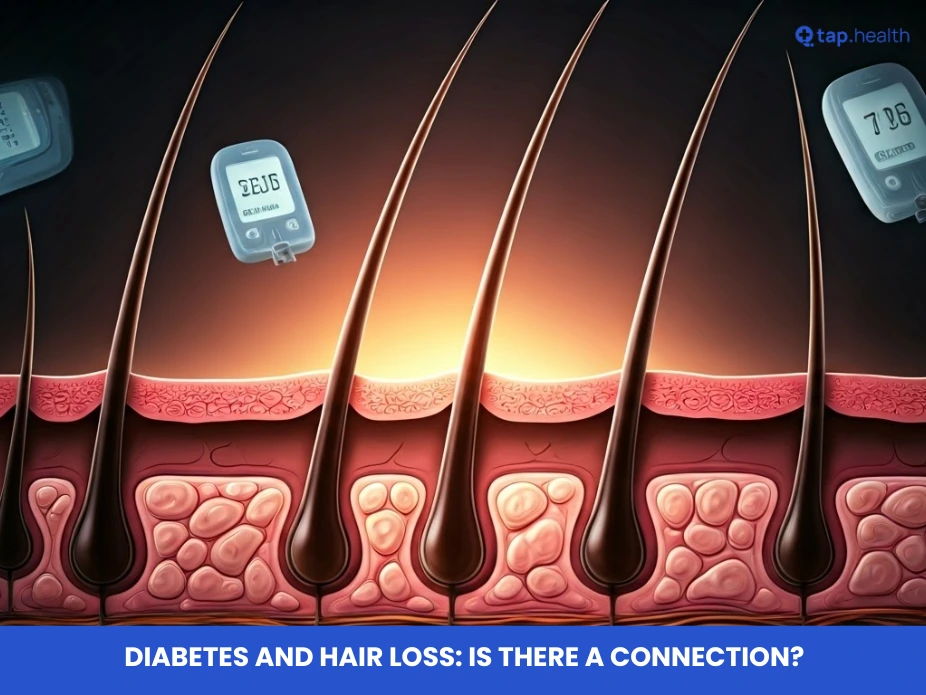
Diabetes and Hair Loss Is There a Connection

Diabetes is a chronic condition affecting millions worldwide, primarily known for causing high blood sugar levels. However, its impact extends beyond blood sugar, influencing various bodily functions, including hair health. One lesser-known complication is hair loss, which can be distressing for those affected. This blog explores the diabetes and hair loss connection, delving into causes, types, prevention strategies, and treatment options to help manage this issue effectively. By understanding how diabetes contributes to hair thinning and loss, individuals can take proactive steps to protect their hair and overall well-being.

How Does Diabetes Cause Hair Loss?

Diabetes, particularly when poorly managed, disrupts the body’s normal processes, including hair growth. High blood sugar levels and insulin resistance, common in type 2 diabetes, are key contributors to hair loss. These factors impair blood flow to the scalp and disrupt the hair growth cycle, leading to thinning or shedding. Below, we explore the mechanisms behind this connection, incorporating LSI keywords like blood sugar impact on hair, insulin resistance hair loss, and diabetes-related hair thinning.

The Role of High Blood Sugar in Hair Loss

Elevated blood sugar levels, a hallmark of diabetes, can damage blood vessels, including the tiny capillaries that supply nutrients to hair follicles. These follicles rely on oxygen and essential nutrients for healthy hair growth. When blood flow is restricted due to narrowed or hardened vessels, follicles become undernourished, leading to weaker, thinner hair that is prone to falling out. Over time, this can disrupt the hair growth cycle, pushing more follicles into the resting phase (telogen), resulting in noticeable hair loss.

Insulin Resistance and Its Effect on Hair Follicles

Insulin resistance, often associated with type 2 diabetes, occurs when cells fail to respond effectively to insulin, the hormone that regulates blood sugar. Beyond its metabolic role, insulin supports hair follicle function and growth. When insulin resistance disrupts this process, it can alter the hair growth cycle, causing follicles to weaken or shrink. Additionally, insulin resistance promotes systemic inflammation, which may further damage hair follicles, increasing the risk of hair loss. Studies also suggest a link between insulin resistance and conditions like alopecia areata, where the immune system attacks hair follicles, causing patchy hair loss.

Types of Hair Loss Linked to Diabetes

Diabetes can contribute to various forms of hair loss, each with distinct characteristics. Understanding these types helps in identifying the issue and seeking appropriate treatment. Common types include telogen effluvium and alopecia areata, both of which can be exacerbated by diabetes-related factors.

Telogen Effluvium: Stress-Induced Hair Shedding

Telogen effluvium is a temporary form of hair loss triggered by physical or emotional stress, which is common in people with diabetes due to the condition’s demands. Stress hormones like cortisol can push hair follicles into the resting phase prematurely, causing excessive shedding. For diabetics, managing stress through relaxation techniques, exercise, or a balanced lifestyle can help reduce the impact of telogen effluvium and support healthier hair growth.

Alopecia Areata: Autoimmune Hair Loss

Alopecia areata is an autoimmune condition where the immune system mistakenly attacks hair follicles, leading to patchy hair loss on the scalp or other areas. While the exact cause remains unclear, factors like chronic inflammation and immune dysfunction, often seen in diabetes, may increase the risk. The condition can be unpredictable, with hair sometimes regrowing spontaneously, but repeated episodes are possible.

How to Prevent Hair Loss in Diabetics

Preventing hair loss in people with diabetes starts with effective disease management. By controlling blood sugar levels and adopting a healthy lifestyle, individuals can reduce the risk of hair thinning and promote hair regrowth. Below are key preventive measures, addressing LSI keywords like prevent diabetes hair loss and healthy hair growth tips.

Importance of Blood Sugar Control

Maintaining stable blood sugar levels is critical for minimizing diabetes-related complications, including hair loss. Consistently high glucose levels can impair blood flow to the scalp, starving hair follicles of essential nutrients. To prevent this, individuals should:

  • Follow a balanced diet low in refined sugars and high in fiber.
  • Engage in regular physical activity to improve insulin sensitivity.
  • Adhere to prescribed medications and monitor glucose levels as advised by a healthcare provider.

Regular check-ups ensure blood sugar remains within a healthy range, supporting hair follicle health and reducing the likelihood of hair loss.

Nutritional Support for Hair Health

A nutrient-rich diet plays a vital role in maintaining healthy hair. Key nutrients include:

  • Protein: Hair is primarily made of keratin, a protein, so adequate protein intake is essential for strength and growth.
  • Iron: Low iron levels can contribute to hair loss, so include iron-rich foods like spinach, lentils, and lean meats.
  • Zinc: Supports hair growth and repair; found in nuts, seeds, and whole grains.
  • Biotin (Vitamin H): Promotes keratin production, benefiting hair, skin, and nails.

Consulting a dietitian can help tailor a diet plan to meet specific needs, ensuring optimal nutrient intake for hair health.

Treatment Options for Diabetes-Related Hair Loss

Treating hair loss in diabetics requires a dual approach: managing diabetes effectively and targeting hair loss directly. Various treatments, from medications to lifestyle changes, can help stimulate hair regrowth and improve scalp health. Here, we address LSI keywords like hair regrowth treatments and diabetes hair loss solutions.

Medications and Topical Treatments

Several treatments can address hair loss, depending on its severity and underlying cause:

  • Minoxidil: A topical treatment available over-the-counter or by prescription, applied to the scalp to stimulate hair growth.
  • Finasteride: A prescription oral medication for male pattern baldness, reducing hormone-related hair loss.
  • Corticosteroids: Used topically or as injections to reduce inflammation in conditions like alopecia areata.

Always consult a healthcare provider before starting any treatment, as side effects are possible, and results vary by individual.

Lifestyle Changes and Home Remedies

Simple lifestyle adjustments can significantly improve hair health:

  • Stress Management: Practices like meditation, yoga, or spending time in nature can stabilize stress hormones, supporting hair growth.
  • Scalp Massage: Regular gentle massages improve blood flow to the scalp, nourishing hair follicles.
  • Adequate Sleep: Supports overall body repair, including hair follicle health.

Home remedies like applying onion juice or aloe vera to the scalp are popular but lack strong scientific backing. Always perform a patch test to avoid allergic reactions.

The Emotional Impact of Hair Loss

Hair loss can take a toll on mental health, affecting self-esteem and body image. For individuals with diabetes, managing both the condition and its visible effects like hair loss can be emotionally challenging. Addressing the psychological impact is as important as treating the physical symptoms.

Coping Strategies for Emotional Well-Being

To manage the emotional effects of hair loss:

  • Engage in hobbies, exercise, or social activities to boost mood and reduce stress.
  • Join support groups to connect with others experiencing similar challenges.
  • Seek professional help from a therapist or counselor to develop coping strategies and improve confidence.

Acknowledging and addressing these emotional challenges fosters resilience and supports overall well-being.

When to Seek Professional Help

If hair loss is sudden, severe, or accompanied by emotional distress, consult a healthcare provider or dermatologist. They can assess underlying causes, such as diabetes complications or other conditions, and recommend appropriate treatments. For emotional struggles, a therapist can provide tools to manage stress and improve mental health. Seeking help is a proactive step toward addressing both physical and emotional aspects of hair loss.

Conclusion

The link between diabetes and hair loss is complex, driven by factors like high blood sugar, insulin resistance, and inflammation. By prioritizing blood sugar control, adopting a nutrient-rich diet, and exploring treatment options like minoxidil or lifestyle changes, individuals can mitigate hair loss and promote regrowth. Addressing the emotional impact through coping strategies and professional support is equally vital. With a holistic approach, people with diabetes can manage hair loss effectively, improving both their hair health and overall quality of life.

Frequently Asked Questions About Diabetes and Hair Loss

1. Can improved diabetes management reverse hair loss?

While not all hair loss is reversible, controlling blood sugar levels creates a healthier environment for hair growth, improving outcomes when combined with appropriate treatments.

2. What types of hair loss are associated with diabetes?

Diabetes can lead to telogen effluvium (stress-induced shedding), alopecia areata (autoimmune patchy loss), and general hair thinning due to impaired blood flow.

3. How does high blood sugar affect hair health?

High blood sugar damages blood vessels, reducing nutrient delivery to hair follicles, which can weaken hair and disrupt the growth cycle.

4. Are there specific hair loss treatments for diabetics?

Treatments include managing blood sugar, using minoxidil or finasteride, and addressing inflammation with corticosteroids. Consult a healthcare provider for personalized recommendations.


Tags
A1C gestational diabetes poor sleep blood sugar HbA1c diabetes symptoms in women diabetes medicines diabetes nerve damage diabetes and blood pressure mango and diabetes dark patches diabetes diabetes stomach problems diabetes wounds metformin safety diabetes tingling hands banana blood sugar papaya for diabetes is jaggery good for diabetes poha blood sugar orange for diabetes sugar spike after rice gestational diabetes India blood sugar pregnancy diabetes sleep and diabetes diabetes in India women diabetes signs diabetes treatment advice tingling feet diabetes high blood pressure diabetes mango sugar diabetes walking after meals for diabetes diabetic gastroparesis diabetic wound care diabetes ketoacidosis warning signs diabetic neuropathy hands coconut water and diabetes is papaya good for diabetes gur for diabetes sprouts for diabetes can diabetics eat oranges Indian diet diabetes continuous glucose monitor India Medicine fasting glucose blood sugar pregnancy diabetes and stress diabetes risk factors India diabetes risk women Indian diabetic diet chart diabetes eye disease diabetes heart kidney risk diabetes reversal vs remission post meal walk diabetes diabetes bloating nausea diabetes yeast infection DKA symptoms fasting with diabetes coconut water for diabetes papaya blood sugar watermelon for diabetes are sprouts good for diabetes orange blood sugar glucose spike symptoms CGM cost India Health A1C test low blood sugar stress blood sugar diabetes prevention India diabetes symptoms in men diabetic meal plan diabetic eye test borderline HbA1c diabetes remission walking lowers blood sugar diabetes sick day rules diabetes fungal infection ketones diabetes diabetes fasting safety can diabetics drink coconut water oats for diabetes can diabetics eat watermelon sprouts blood sugar brown bread for diabetes post meal blood sugar time in range Lifestyle diabetes diet hypoglycemia cortisol diabetes best fruits for diabetes men diabetes signs HbA1c test high protein breakfast for diabetes HbA1c 5.7 to 6.4 reverse type 2 diabetes diabetes grocery list India diabetes during illness diabetes vaginal itching diabetes blurry vision can diabetics fast curd for diabetes oatmeal diabetes watermelon blood sugar methi seeds for diabetes bread for diabetes diabetes blood pressure glucometer accuracy Home remedies balanced meals diabetes safety diabetes eye care diabetes fruits diabetes risk men HbA1c normal range diabetes breakfast India prediabetes HbA1c diabetes plate method diabetic food list India blood sugar fever infection diabetes night sweats high blood sugar blurry vision insulin injection sites is curd good for diabetes are oats good for diabetes apple for diabetes fenugreek for diabetes whole wheat bread diabetes diabetes heart risk diabetes technology Fitness healthy eating diabetes heart health diabetic retinopathy fruit and blood sugar type 1 diabetes how to lower HbA1c diabetic breakfast ideas post-meal blood sugar Indian diabetes plate foods for diabetes shopping diabetes and alcohol low blood sugar at night diabetes excessive thirst insulin site rotation diabetes curd milk for diabetes can diabetics eat apple methi diabetes avocado for diabetes ABC diabetes CGM vs glucometer India Prevention why diabetes is considered as a lifestyle disease blood pressure diabetes eye test rice and diabetes type 1 diabetes symptoms fasting sugar normal range PCOS and diabetes blood sugar after food diabetes portion control diabetes kidney tests alcohol blood sugar diabetes diabetes sweating at night diabetes dry mouth insulin lumps tea and coffee in diabetes can diabetics drink milk apple blood sugar cinnamon for diabetes is avocado good for diabetes kidney risk diabetes diabetes reversal myths Hygiene lifestyle diabetes cholesterol diabetes kidney care can diabetics eat rice insulin diabetes high fasting blood sugar PCOS insulin resistance postprandial glucose low glycaemic index foods for diabetes urine albumin diabetes can diabetics drink alcohol diabetes headache frequent urination diabetes diabetes weight gain coffee diabetes best milk for diabetes eggs for diabetes cinnamon blood sugar avocado blood sugar blurred vision diabetes HbA1c remission Ailments type 2 diabetes lifestyle disease living with diabetes diabetic kidney disease diabetes diet India prediabetes diet reverse prediabetes naturally PCOS diabetes risk dawn phenomenon diabetes low GI foods India eGFR diabetes diabetes and dizziness high blood sugar headache diabetes fatigue diabetes and weight gain tea diabetes peanuts for diabetes are eggs good for diabetes dalchini for diabetes travelling with diabetes fundus exam diabetes remission vs reversal Hindi exercise and diabetes diabetes habits kidney tests diabetes morning blood sugar prediabetes food prediabetes reversal gestational diabetes diet Indian morning sugar high diabetes low GI diet diabetes and dental problems dizziness diabetes low blood sugar headache diabetes tiredness insulin weight gain roti for diabetes are peanuts good for diabetes egg diabetes amla for diabetes diabetes travel checklist eye care diabetes skin diseases blood sugar control diabetes management high blood sugar symptoms fasting sugar high lower diabetes risk how to prevent type 2 diabetes pregnancy diabetes diet high fasting sugar in morning diabetes and fatty liver diabetes gum disease low sugar dizziness blood sugar monitoring at home high blood sugar tiredness diabetes swollen feet best roti for diabetes peanuts blood sugar paneer for diabetes amla juice diabetes insulin travel storage diabetic retinopathy symptoms acne vulgaris symptoms physical activity insulin resistance hyperglycemia symptoms dawn phenomenon diabetes and weight loss insulin resistance diet gestational diabetes meal plan diabetes and cholesterol fatty liver diabetes dry mouth diabetes diabetes leg pain when to check blood sugar diabetes constipation swollen feet diabetes chapati diabetes sweet potato for diabetes is paneer good for diabetes amla blood sugar diabetes hot weather GDM screening AI Search diabetes foot care insulin sensitivity diabetes warning signs diabetes myths weight loss diabetes Indian foods for insulin resistance diabetic foot ulcer diabetes lipid profile insulin resistance fatty liver diabetes urine infection diabetic leg cramps blood glucose monitoring diabetes and constipation diabetes foot swelling can diabetics eat dates can diabetics eat sweet potato paneer diabetes guava for diabetes diabetes dehydration pregnancy blood sugar targets prediabetes diabetic foot type 2 diabetes risk normal blood sugar levels diabetes facts insulin resistance weight loss improve insulin sensitivity diabetes foot wound cholesterol in diabetes diabetes skin problems frequent UTI diabetes diabetes nerve pain legs metformin for diabetes constipation diabetes can diabetics eat banana dates for diabetes sweet potato blood sugar poha for diabetes can diabetics eat guava heat and blood sugar postpartum diabetes risk diabetes prevention foot health diabetes and sleep fasting blood sugar diabetes misconceptions diabetes medicine safety diabetic neuropathy symptoms diabetic foot ulcer warning signs can diabetics eat mango diabetes itching urinary infection diabetes diabetes slow wound healing metformin side effects diabetes numbness in hands banana for diabetes dates blood sugar jaggery for diabetes is poha good for diabetes guava blood sugar India diabetes diabetes after pregnancy
More blogs
Isha Yadav
Isha Yadav
• June 9, 2026
• 6 min read

Lifting for Remission: Strength Training for Rebuilding Insulin Sensitivity in Type 2 Diabetes

For years, the standard exercise prescription for type 2 diabetes was simple: “Go for a walk, jog, or do some cardio.” While cardiovascular exercise is excellent for heart health and calorie burning, focusing solely on aerobic exercise overlooks a highly powerful tool in metabolic medicine: strength training (resistance exercise). Skeletal muscle is not just for […]

Product
Diabetes and Hair Loss Is There a Connection
Kazima Qureshi
Kazima Qureshi
• June 9, 2026
• 10 min read

The Somogyi Effect vs. Dawn Phenomenon: The Definitive Guide to High Morning Blood Sugar

Waking up with high blood sugar levels can be incredibly frustrating. You went to bed with a perfect reading, watched your carbohydrate intake, took your prescribed medications, and yet, the glucometer displays a high number first thing in the morning. This clinical mystery is a common challenge for individuals living with diabetes, especially those on […]

Diabetes
Diabetes and Hair Loss Is There a Connection
Naimish Mishra
Naimish Mishra
• June 8, 2026
• 7 min read

Artificial Sweeteners Exposed: Stevia, Erythritol, and the Insulin Resistance Debate

For decades, sugar substitutes have been marketed as a metabolic free pass. The logic was simple: since non-nutritive sweeteners (NNS) contain zero calories and zero carbohydrates, they should have zero impact on blood sugar and insulin levels. Diabetics, keto enthusiasts, and weight-conscious individuals flocked to diet sodas, sugar-free snacks, and sugar substitutes like Stevia, erythritol, […]

Product, Diabetes
Diabetes and Hair Loss Is There a Connection
Do you remember your last sugar reading?
Log and Track your glucose on the Tap Health App
All logs in one place
Smart trend graphs
Medicine Reminder
100% Ad Free
Download Now

Missed your diabetes meds

again? Not anymore.

Get medicine reminders on your phone.

✓ Glucose diary and Insights
✓ Smart Nudges
✓ All logs at one place
✓ 100% Ad free
Download Free
tap health
tap.health logo
copyright © 2025
2nd Floor,Plot No 4, Minarch Tower,
Sector 44,Gurugram, 122003,
Haryana, India
  • About Us
  • Blog
  • Doctor login
  • Contact Us
  • Privacy Policy
  • Return / Shipping Policy
  • Terms and Conditions
Get Your Free AI Diabetes Coach