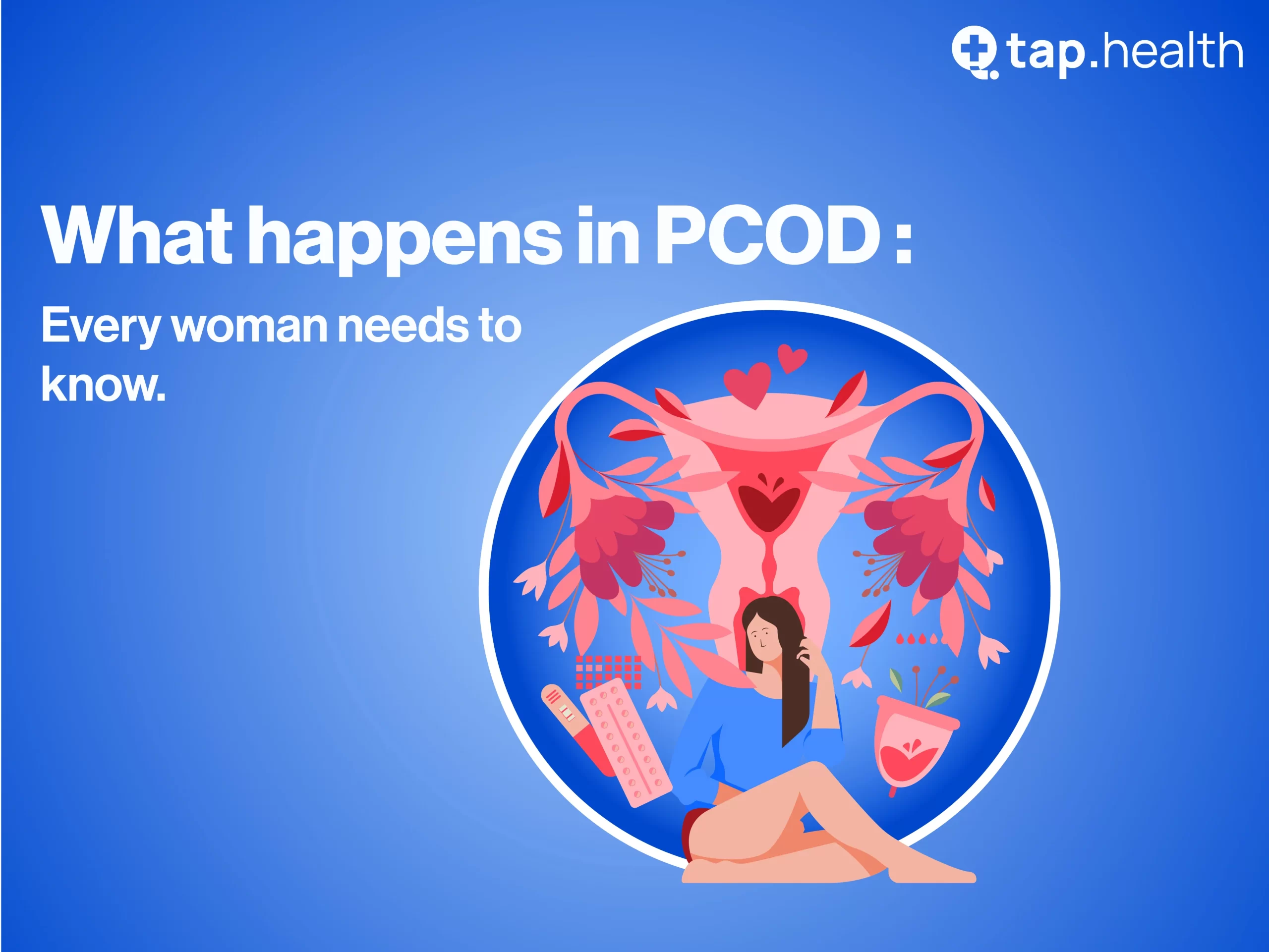
Polycystic Ovary Syndrome (PCOD), also known as Polycystic Ovary Syndrome (PCOS), is a common hormonal disorder affecting millions of women worldwide. Understanding PCOD is crucial for women to manage its symptoms and maintain overall health. This blog provides a concise yet detailed overview of PCOD, covering its definition, causes, symptoms, diagnosis, treatment, and long-term considerations in a short question-and-answer format.
What Is PCOD and How Common Is It?
Q: What is PCOD? A: PCOD is a hormonal disorder affecting women of reproductive age, characterized by irregular periods, ovarian cysts, and elevated androgen levels. It impacts reproductive, metabolic, and psychological health.
Q: How common is PCOD? A: Approximately 10% of women of childbearing age worldwide are affected by PCOD, making it one of the most prevalent endocrine disorders among women.
What Causes PCOD?
Q: What causes PCOD? A: The exact cause of PCOD is unknown, but it is believed to result from a combination of genetic and environmental factors. Hormonal imbalances, particularly involving insulin, luteinizing hormone (LH), and follicle-stimulating hormone (FSH), play a significant role.
Q: How does insulin resistance contribute to PCOD? A: Insulin resistance, common in PCOD, leads to elevated insulin levels, which stimulate the ovaries to produce excess androgens (male hormones). This exacerbates symptoms like acne, hirsutism, and irregular periods.
Q: Is inflammation linked to PCOD? A: Yes, chronic low-grade inflammation is often present in women with PCOD, worsening insulin resistance and contributing to metabolic issues.
What Are the Symptoms of PCOD?
Q: What are the physical symptoms of PCOD? A: Common physical symptoms include irregular or absent periods (oligomenorrhea or amenorrhea), excessive hair growth (hirsutism), acne, weight gain, skin tags, and darkening of the skin (acanthosis nigricans).
Q: How does PCOD affect fertility? A: PCOD can cause irregular ovulation or anovulation, making it challenging for women to conceive naturally. However, with proper management, many women with PCOD achieve successful pregnancies.
Q: Are there emotional symptoms associated with PCOD? A: Yes, women with PCOD often experience mood swings, anxiety, and depression due to hormonal imbalances and the emotional toll of physical symptoms.
How Is PCOD Diagnosed?
Q: How do doctors diagnose PCOD? A: Diagnosis involves evaluating medical history, conducting physical exams, and performing tests like hormonal blood tests and ultrasound imaging to detect ovarian cysts and elevated androgen levels.
Q: Why is early diagnosis important? A: Early diagnosis helps manage symptoms and prevents long-term complications like type 2 diabetes, heart disease, and infertility.
What Are the Treatment Options for PCOD?
Q: What medical treatments are available for PCOD? A: Treatments include hormonal birth control to regulate periods, anti-androgen medications to manage symptoms like hirsutism and acne, and insulin-sensitizing drugs to address insulin resistance. In some cases, surgical interventions may be needed.
Q: Can lifestyle changes help manage PCOD? A: Yes, adopting a balanced diet, regular exercise, stress management, and maintaining a healthy weight can improve hormonal balance and reduce symptoms.
Q: Are natural remedies effective for PCOD? A: Under professional guidance, natural remedies like herbal supplements and acupuncture may complement medical treatments, but their effectiveness varies.
How Does PCOD Affect Long-Term Health?
Q: How does PCOD impact pregnancy? A: PCOD can complicate conception due to irregular ovulation, but with medical support, lifestyle changes, and treatments, many women with PCOD have successful pregnancies.
Q: What health conditions are linked to PCOD? A: PCOD increases the risk of type 2 diabetes, hypertension, cardiovascular diseases, and sleep apnea due to insulin resistance and metabolic disturbances.
Q: How can women manage the emotional impact of PCOD? A: Coping strategies include seeking professional support, building a strong support network, and practicing self-care activities to improve mental well-being.
How Can Women Live Well with PCOD?
Q: What steps can women take to manage PCOD effectively? A: Women can manage PCOD by working closely with healthcare providers, adopting healthy lifestyle habits, and addressing both physical and emotional symptoms holistically.
Q: Why is ongoing monitoring important? A: Regular health screenings and proactive management help reduce the risk of complications and improve quality of life for women with PCOD.
Conclusion
PCOD is a multifaceted condition that affects women’s reproductive, metabolic, and emotional health. By understanding its causes, symptoms, diagnosis, and treatment options, women can take proactive steps to manage the condition effectively. Early diagnosis, medical interventions, lifestyle changes, and emotional support are key to living well with PCOD. Consulting healthcare professionals for personalized guidance ensures better outcomes and a healthier future.