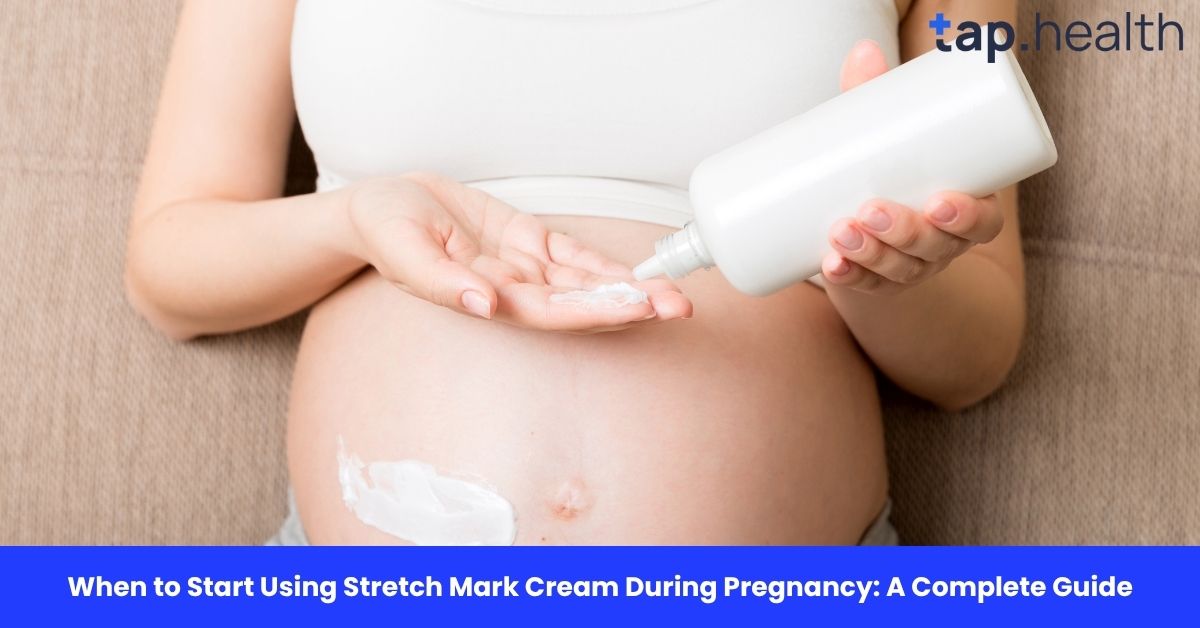
Pregnancy is an exciting and life-changing journey, but it also brings many physical changes. As your body grows to accommodate your baby, you may notice stretch marks forming on areas like your belly, thighs, and breasts. These marks can sometimes be a source of concern for many women, leading to questions about how to prevent them and when to start using stretch mark cream.
In this article, we will explore when to start using stretch mark cream during pregnancy, how it works, and the most effective ways to prevent stretch marks. We’ll also discuss some helpful tips for taking care of your skin during this important time.
What Are Stretch Marks and Why Do They Occur?
Before we dive into when to start using stretch mark cream, it’s important to understand what stretch marks are and why they happen.
1. What Are Stretch Marks?
Stretch marks, also known as striae or striae gravidarum, are streaks or lines that appear on the skin due to rapid stretching of the skin. These marks are typically red, purple, or dark brown when they first form and may fade to a lighter color over time. Although they don’t usually cause physical harm, they can be a cosmetic concern for many women.
2. Why Do Stretch Marks Occur During Pregnancy?
During pregnancy, your body undergoes significant physical changes as it accommodates the growing baby. The main reasons for stretch marks during pregnancy include:
- Hormonal Changes: Pregnancy hormones like cortisol and estrogen can affect the elasticity of the skin, making it more prone to stretching.
- Rapid Weight Gain: As you gain weight during pregnancy, the skin has to stretch to accommodate the expanding belly, breasts, and other areas of your body.
- Genetics: Your genetic makeup plays a role in how likely you are to develop stretch marks. If your mother or sisters had stretch marks, you may be more prone to getting them too.
- Skin Type and Elasticity: Some people have more elastic skin, while others may have skin that doesn’t stretch as easily. This can affect the development of stretch marks.
When Should You Start Using Stretch Mark Cream During Pregnancy?
1. Ideal Time to Start Using Stretch Mark Cream
The best time to start using stretch mark cream is early in pregnancy, as soon as you begin to notice any changes in your skin. The earlier you start applying the cream, the better your chances of preventing stretch marks. Most women begin seeing stretch marks appear in the second trimester, but the process of skin stretching and changes starts much earlier.
Using a good stretch mark cream early on can help keep the skin hydrated, which may improve its elasticity and help it stretch more smoothly as your body changes.
2. How Often Should You Apply Stretch Mark Cream?
To get the most benefit from your stretch mark cream, you should apply it twice a day—once in the morning and once before bed. This will help keep your skin moisturized and promote elasticity throughout the day.
While some women may apply creams even more frequently, sticking to a regular routine is key. You should also continue using the cream after pregnancy, as the skin will still be recovering and can benefit from continued care.
3. Can You Start Using Stretch Mark Cream Later in Pregnancy?
Yes, even if you haven’t used stretch mark cream from the beginning, it’s never too late to start. The second and third trimesters are the times when stretch marks are most likely to appear, so starting a routine at this stage can still help your skin manage the stretching process and improve its appearance.
What Are the Best Stretch Mark Creams to Use During Pregnancy?
Choosing the right stretch mark cream can make a difference in how well it works. Here are some of the best options for preventing and treating stretch marks during pregnancy:
1. Natural and Organic Creams
Many women prefer to use creams with natural or organic ingredients, especially during pregnancy. These creams are typically free from harsh chemicals that could potentially irritate the skin or affect the baby. Look for ingredients like:
- Cocoa Butter: Known for its ability to deeply moisturize the skin and improve its elasticity.
- Shea Butter: Rich in vitamins A and E, which nourish and hydrate the skin.
- Vitamin E: Promotes skin healing and may help improve the appearance of scars and stretch marks.
- Aloe Vera: Soothes the skin and helps with hydration, preventing dryness and irritation.
2. Products with Hyaluronic Acid
Hyaluronic acid is a popular ingredient in skincare products, known for its ability to hydrate and improve skin elasticity. Many pregnancy-safe stretch mark creams now include hyaluronic acid to help prevent the skin from becoming dry and prone to stretch marks.
3. Retinol-Free Products
It’s important to choose stretch mark creams that are retinol-free during pregnancy. Retinol, a vitamin A derivative, can be harmful to a developing baby, so look for creams that are specifically labeled as pregnancy-safe.
Tips for Preventing Stretch Marks During Pregnancy
While stretch mark cream can help reduce the appearance of stretch marks, there are several other strategies you can use to keep your skin healthy and minimize their development.
1. Stay Hydrated
Drinking plenty of water throughout pregnancy is essential for keeping your skin hydrated. Well-hydrated skin is more elastic and less likely to develop stretch marks. Aim for at least 8 glasses of water a day, and consider drinking herbal teas that promote hydration.
2. Eat a Balanced Diet
A healthy diet rich in vitamins and minerals can improve your skin’s health and elasticity. Focus on foods that are high in vitamin C, vitamin E, zinc, and omega-3 fatty acids. These nutrients help support collagen production and skin repair, reducing the likelihood of stretch marks.
3. Exercise Moderately
Moderate physical activity can help improve circulation, support skin elasticity, and manage weight gain during pregnancy. Activities like walking, swimming, and prenatal yoga can help keep your skin and body in good shape.
4. Maintain a Healthy Weight Gain
Rapid weight gain can stretch the skin quickly, leading to stretch marks. Work with your healthcare provider to monitor your weight gain and follow a healthy, gradual weight gain plan during pregnancy.
Can You Prevent Stretch Marks Completely?
Unfortunately, stretch marks are not always preventable, as they can be influenced by genetics, hormones, and the speed of your weight gain. While stretch mark creams and preventive measures can help reduce their appearance and possibly minimize their formation, there is no guarantee that they can be completely avoided.
Some women may develop stretch marks despite following all precautions, while others may not experience them at all. In either case, it’s important to remember that stretch marks are a natural part of the pregnancy process and don’t harm your health or the health of your baby.
Real-Life Scenario
Many expectant mothers, like Priya from Mumbai, noticed visible improvement after consistently applying stretch mark cream twice daily from the second month of pregnancy. Real-life experiences show that consistency is key to seeing results.
Expert Contribution
Dermatologists suggest using creams containing hyaluronic acid, shea butter, or vitamin E. Dr. Anjali Mehta emphasizes, “Starting preventive care early and combining topical treatment with gentle massage can reduce stretch mark severity.”
Recommendations Grounded in Proven Research and Facts
Research confirms that regular moisturizing and early intervention can significantly improve skin elasticity. Clinical studies also highlight that creams with proven active ingredients are more effective than generic oils or lotions.
FAQ Section: When to Start Using Stretch Mark Cream During Pregnancy?
1. When is the best time to start using stretch mark cream?
The best time to start using stretch mark cream is early in pregnancy, ideally in the first trimester. Starting early can help your skin stretch more smoothly and reduce the risk of stretch marks later on.
2. Can I use stretch mark cream during the entire pregnancy?
Yes, you can use stretch mark cream throughout your pregnancy, from the first trimester to after delivery. Keeping your skin moisturized and elastic during pregnancy will help it better handle the stretching process.
3. Are natural stretch mark creams safe during pregnancy?
Most natural and organic stretch mark creams are safe during pregnancy. Look for products with ingredients like cocoa butter, shea butter, vitamin E, and aloe vera, as these are known to be gentle on the skin and safe for both you and your baby.
4. What else can I do to prevent stretch marks besides using cream?
In addition to using cream, make sure to stay hydrated, eat a nutrient-rich diet, engage in moderate exercise, and manage your weight gain to help keep your skin healthy and prevent stretch marks.
5. Can I use stretch mark cream if I already have stretch marks?
Yes, stretch mark creams can help improve the appearance of existing stretch marks by moisturizing the skin and improving its elasticity. They may not completely remove stretch marks, but they can make them less noticeable over time.
6. What are the most effective stretch mark creams for pregnancy?
Look for stretch mark creams that are pregnancy-safe, free of retinol, and contain moisturizing ingredients like cocoa butter, shea butter, and hyaluronic acid. Some popular brands include Bio-Oil, Palmer’s Cocoa Butter Formula, and Burt’s Bees Mama Bee Belly Butter.
Conclusion
In conclusion, starting early with a stretch mark cream in pregnancy is your best chance at preventing stretch marks. Moisturizing regularly, staying hydrated, maintaining a balanced diet, and following healthy habits can all support your skin’s elasticity during this time of rapid change. Although stretch marks cannot always be prevented, using the right products and taking good care of your skin can minimize their appearance and keep you feeling confident throughout your pregnancy journey.