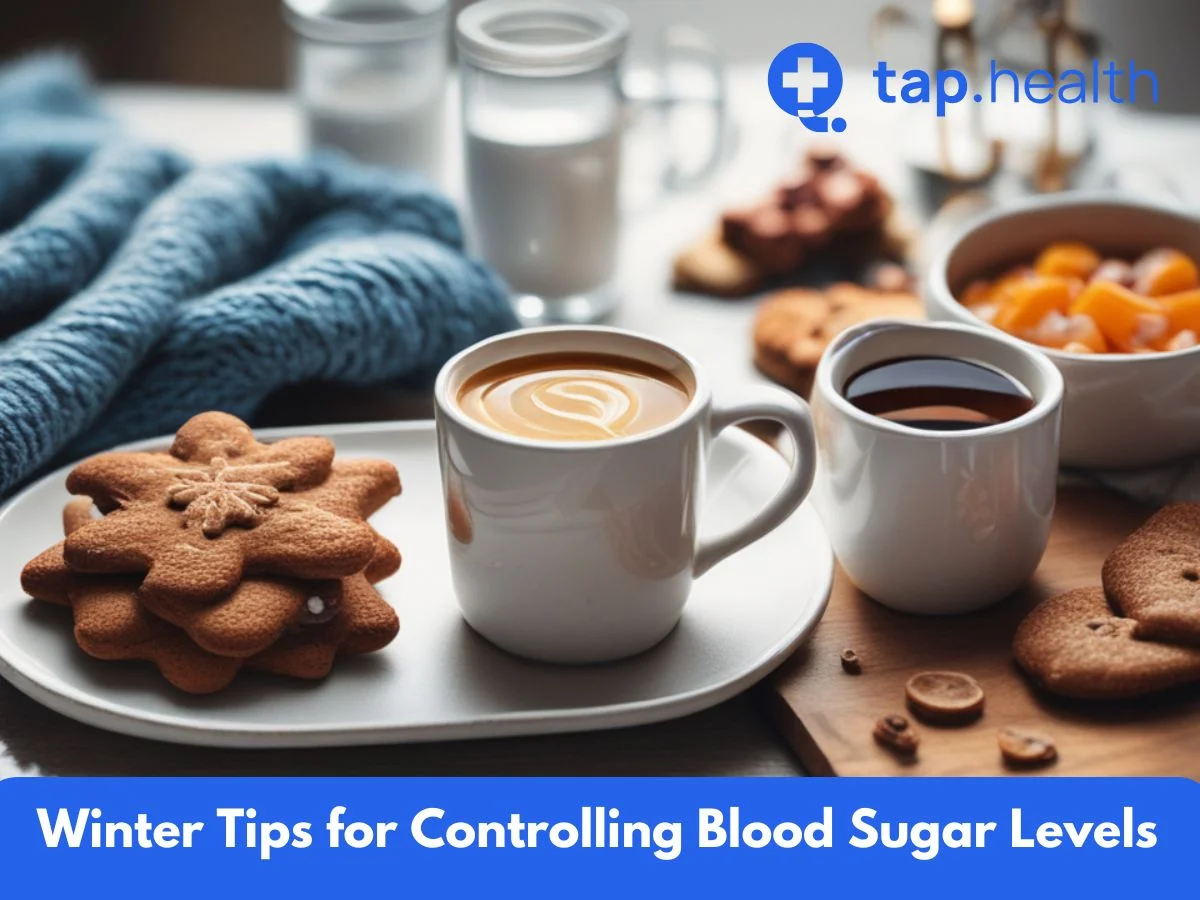
How Does Cold Weather Affect Blood Sugar Levels?
Cold weather impacts glucose regulation by increasing energy needs to stay warm. This triggers higher glucose release, altering insulin sensitivity and blood flow. Monitor levels frequently and adjust diabetes management plans.
Why Do Blood Sugar Levels Rise in Winter?
Less physical activity, dietary changes, and colder temperatures reduce insulin sensitivity. The body processes carbohydrates differently, leading to spikes. Proactive lifestyle adjustments maintain stable blood glucose.
Best Dietary Habits for Blood Sugar Management in Winter
Incorporate whole grains and fiber-rich foods like oats, quinoa, and brown rice. These slow digestion, prevent spikes, and support steady glucose levels. Balance festive meals with nutrient-dense options.
How to Embrace Whole Grains and Fiber-Rich Foods
Add fiber-rich foods to meals for better digestion and blood sugar control. Whole grains provide sustained energy, improve insulin sensitivity, and stabilize glucose during colder months.
Importance of Hydration in Winter for Glucose Regulation
Stay hydrated with sugar-free beverages like herbal teas or infused water. Proper fluid intake enhances blood flow, metabolism, and insulin effectiveness, preventing dehydration-related spikes.
What Beverages to Choose for Blood Sugar Control
Opt for low-sugar drinks to avoid spikes. Warm herbal teas, water, and unsweetened options support hydration and overall health without disrupting glucose regulation.
Indoor Exercise Options for Stable Blood Glucose
Engage in yoga, Pilates, or bodyweight workouts indoors. These boost insulin sensitivity, improve circulation, and counteract reduced activity in cold weather.
Home Workout Routines to Keep Blood Sugar in Check
Combine strength training with cardio using resistance bands or dumbbells. Follow online videos or apps for consistent routines that enhance metabolism and glucose management.
Leveraging Mild Winter Days for Outdoor Activities
On warmer days, walk, jog, or hike outdoors. Sunlight provides vitamin D, boosts immunity, and aids blood sugar control through improved blood flow.
How to Stay on Top of Health in Cold Weather
Exercise indoors regularly, choose healthy snacks over sugary treats, and drink water despite low thirst. Supplement vitamin D and C, follow sick day rules, and get vaccinated.
Nutritional Strategies for Blood Sugar Management
Focus on nutrient-rich meals with whole grains and fiber. Hydrate properly to support insulin sensitivity and steady blood glucose all winter.
Can Winter Cravings Impact Blood Sugar Management?
Yes, sugary treats cause sudden spikes. Opt for fruits or nuts to satisfy cravings while maintaining control and avoiding glucose fluctuations.
Proactive Approach to Diabetes Management in Winter
Monitor blood sugar often, adapt diet and activity, and store insulin at room temperature. Embrace healthy habits for optimal glucose regulation.
Understanding Blood Sugar Dynamics in Winter
Winter alters blood sugar dynamics through reduced activity and cold-induced changes in insulin sensitivity. The body releases more glucose for warmth, affecting carbohydrate processing. Adjust routines proactively.
The Impact of Cold Weather on Glucose Regulation
Colder temperatures constrict blood vessels, potentially reducing insulin absorption. Increased energy demands elevate blood sugar. Regular monitoring and plan adjustments ensure effective control.
Seasonal Dietary Habits and Blood Sugar Levels
Festive foods tempt with sugars; counter with fiber-rich whole grains. Hydration maintains blood flow and supports stable levels amid seasonal changes.
Taking a Proactive Approach in Winter Months
Stay active indoors, hydrate consistently, and monitor health closely. Supplements and vaccinations strengthen immunity, aiding overall diabetes management.
Conclusion: Mastering Blood Sugar Control in Cold Weather
Cold weather challenges glucose regulation, but diet, hydration, and exercise mitigate risks. Whole grains, fiber-rich foods, indoor workouts, and mindful hydration keep levels stable. Monitor proactively for health during winter.
(Word count: 1487)
Frequently Asked Questions
Q: How does cold weather affect blood sugar levels?
A: It shrinks blood vessels, increases energy needs, and alters glucose control.
Q: Can winter cravings impact blood sugar management?
A: Yes, excess sugar causes spikes; choose nuts or fruits instead.