Table of Contents
- Diabetic Eye Disease: Early Warning Signs to Watch For
- Protecting Your Vision: A Guide to Diabetic Eye Problems
- What are the Common Diabetic Eye Problems? A Comprehensive Overview
- When to See a Doctor: Recognizing Serious Diabetic Eye Issues
- Diabetic Retinopathy: Symptoms, Diagnosis, and Treatment Options
- Frequently Asked Questions
- References
Living with diabetes requires careful management, and a crucial aspect often overlooked is eye health. Diabetic eye problems can significantly impact your vision, even leading to blindness if left untreated. This blog post will equip you with the knowledge to recognize the warning signs of diabetic retinopathy and other related conditions. We’ll explore common symptoms, and most importantly, guide you on when to seek help from your ophthalmologist. Understanding these crucial details can make a world of difference in preserving your sight. Let’s dive in and learn how to protect your precious vision.
Diabetic Eye Disease: Early Warning Signs to Watch For
Diabetic retinopathy, a leading cause of blindness, significantly impacts individuals with diabetes in India and other tropical countries. Early detection is crucial, as the condition often progresses silently. Ignoring the warning signs can lead to severe vision loss, highlighting the importance of regular eye examinations. Nearly 15% of diabetics experience foot ulcers in their lifetime, underscoring the vulnerability of those with diabetes to serious complications – a similar urgency applies to eye health.
Blurred Vision and Floatings
One of the most common early signs is blurry vision, which may come and go. You might also notice more floaters – tiny spots or specks that drift across your vision. These are often harmless, but in the context of diabetes, they warrant immediate attention. Changes in your vision, even subtle ones, should not be dismissed. Regular eye checks are paramount, even if you feel fine. For more information on maintaining good eye health, check out How to Protect Your Vision with Diabetes: Essential Eye Care Tips.
Dark Spots or Shadows
Another warning sign is the appearance of dark spots or shadows in your vision. These can indicate more advanced stages of diabetic retinopathy and require urgent medical intervention. Don’t wait for significant vision impairment before seeking help. Early diagnosis and treatment can significantly reduce the risk of blindness. The tropical climate in many regions can exacerbate existing health conditions, emphasizing the need for proactive healthcare.
Difficulty Seeing at Night
Experiencing difficulty seeing at night or in low-light conditions is another potential symptom. This nighttime vision impairment can be a sign of early-stage diabetic retinopathy. This symptom, coupled with others, further strengthens the case for a prompt consultation with an ophthalmologist.
Seeking Help
In India and tropical countries, access to quality healthcare varies. It’s vital to schedule regular eye exams with an ophthalmologist, ideally once a year or as recommended by your doctor. Don’t delay – protecting your vision is crucial for maintaining your overall well-being. Early detection and treatment offer the best chance of preventing vision loss from diabetic retinopathy. Knowing How Often is Diabetic Eye Screening? is also crucial for preventative care.
Protecting Your Vision: A Guide to Diabetic Eye Problems
Diabetes significantly impacts eye health, increasing the risk of vision problems by a substantial margin. In India and other tropical countries, where diabetes prevalence is high, understanding and addressing these risks is crucial. Diabetic retinopathy, a leading cause of blindness, develops when high blood sugar levels damage the blood vessels in the retina. Early detection is key, as many cases are initially asymptomatic.
Recognizing the Warning Signs
Early symptoms of diabetic eye disease can be subtle, often missed until significant vision loss occurs. These might include blurry vision, floaters (spots or specks in your vision), difficulty seeing at night, and impaired color vision. More advanced stages can lead to severe vision impairment and even blindness. The added challenge in tropical climates is the increased risk of other eye conditions that can exacerbate diabetic eye problems.
When to Seek Help
Regular eye exams are paramount for individuals with diabetes. Annual comprehensive eye examinations by an ophthalmologist are strongly recommended, even if you don’t experience any symptoms. Early diagnosis allows for timely intervention, potentially preventing irreversible vision damage. Considering the 70% increased risk of sleep apnea associated with diabetes, ensuring adequate sleep and managing overall health contributes positively to eye health. Regular blood sugar monitoring also plays a vital role in managing the disease and reducing the risk of complications. Managing diabetes effectively throughout your life is crucial, and understanding the challenges and solutions associated with managing diabetes as you age can be particularly helpful.
Taking Action in India and Tropical Countries
In India and other tropical regions, access to quality eye care can vary. Proactive steps, including regular check-ups and maintaining healthy blood sugar levels, are crucial. Seek out qualified ophthalmologists and consider joining support groups for people with diabetes. Early detection and management are your best defense against vision loss. Don’t delay; schedule your eye exam today. If you’re planning any travel, be sure to check out our guide on traveling with diabetes for tips on maintaining your health on the go.
What are the Common Diabetic Eye Problems? A Comprehensive Overview
Diabetes significantly increases the risk of developing serious eye complications. In India and other tropical countries, where diabetes prevalence is high, understanding these risks is crucial. One major concern is the increased likelihood of developing diabetic retinopathy, a condition damaging the blood vessels in the retina. This can lead to blurred vision, floaters, and even blindness if left untreated. Early detection is key.
Diabetic Retinopathy: The Leading Threat
Diabetic retinopathy is the most common diabetic eye problem. It develops gradually, often without noticeable symptoms in its early stages. However, as the condition progresses, symptoms such as blurry vision, impaired night vision, and the appearance of floaters (small spots or specks in your vision) may appear. In advanced stages, vision loss and even blindness can occur. Regular eye exams are vital for early detection and management.
Other Diabetic Eye Problems
Beyond retinopathy, diabetes can also contribute to other eye conditions. Cataracts, a clouding of the eye’s lens, tend to develop earlier and progress faster in people with diabetes. Glaucoma, characterized by increased pressure within the eye, also poses a greater risk for individuals with diabetes. These conditions, combined with the high prevalence of diabetes, emphasize the need for proactive eye care. The connection between diabetes and kidney disease is also significant, with nearly 30% of diabetics developing diabetic nephropathy. This highlights the systemic nature of the disease and the importance of holistic health management. Remember that maintaining good oral health is also crucial for overall well-being, especially for those with diabetes.
Seeking Help in India and Tropical Countries
In India and other tropical regions, access to quality eye care can vary. It’s crucial to seek regular comprehensive eye examinations, especially if you have diabetes. Early diagnosis and treatment are vital to preventing irreversible vision loss. Don’t delay – schedule your eye exam today and protect your vision. Taking care of your feet is equally important; check out these top 5 foot care tips for diabetics to prevent complications.
When to See a Doctor: Recognizing Serious Diabetic Eye Issues
Diabetes significantly impacts eye health, especially in India and other tropical countries. A concerning statistic reveals that 61% of people with diabetes are aged between 20-64 years, a demographic highly active in their work and family life. Data from the International Diabetes Federation highlights the global prevalence, underscoring the importance of early detection and intervention. Ignoring early symptoms can lead to irreversible vision loss.
Recognizing Warning Signs
Several warning signs indicate the need for immediate medical attention. These include blurry vision, blurry vision (as discussed in this related article), fluctuating vision, floaters (spots or specks in your vision), persistent eye pain, and difficulty seeing at night. For those aged 65+, who represent 39% of the diabetic population, these symptoms may be even more pronounced and require faster intervention. In tropical climates, additional factors like increased sun exposure and potential for infections can exacerbate eye problems.
Specific Diabetic Eye Diseases
Diabetic retinopathy, macular edema, and cataracts are serious eye complications associated with diabetes. Diabetic retinopathy involves damage to the blood vessels in the retina, leading to vision impairment. Macular edema causes swelling in the macula, the central part of the retina responsible for sharp, central vision. Cataracts are clouding of the eye’s lens and develop more frequently in people with diabetes. Early detection is crucial for effective management. Regular eye exams are paramount, even if you don’t experience any symptoms. While this article focuses on diabetic eye issues, it’s important to remember that other conditions, like dry eyes, also warrant professional attention.
Seeking Help in India and Tropical Countries
In India and other tropical regions, access to quality ophthalmological care can vary. It is vital to find a qualified ophthalmologist specializing in diabetic eye diseases. Don’t delay seeking help if you experience any of the warning signs. Your vision is precious, and early intervention can significantly improve your chances of preserving it. Schedule an appointment today and protect your sight.
Diabetic Retinopathy: Symptoms, Diagnosis, and Treatment Options
Understanding Diabetic Retinopathy in Indian and Tropical Climates
Diabetes significantly impacts eye health, and diabetic retinopathy is a leading cause of blindness globally, including in many Indian and tropical countries. This condition affects the blood vessels in the retina, the light-sensitive tissue at the back of the eye. Early detection is crucial, as early-stage retinopathy often has no noticeable symptoms. However, as it progresses, you might experience blurry vision, floaters (spots or specks in your vision), or impaired night vision. In severe cases, vision loss and even blindness can occur. It’s important to note that the prevalence of complications like diabetic neuropathy, affecting 30-50% of patients and causing pain and reduced mobility, can indirectly impact timely diagnosis and treatment adherence for eye conditions.
Diagnosis and Treatment
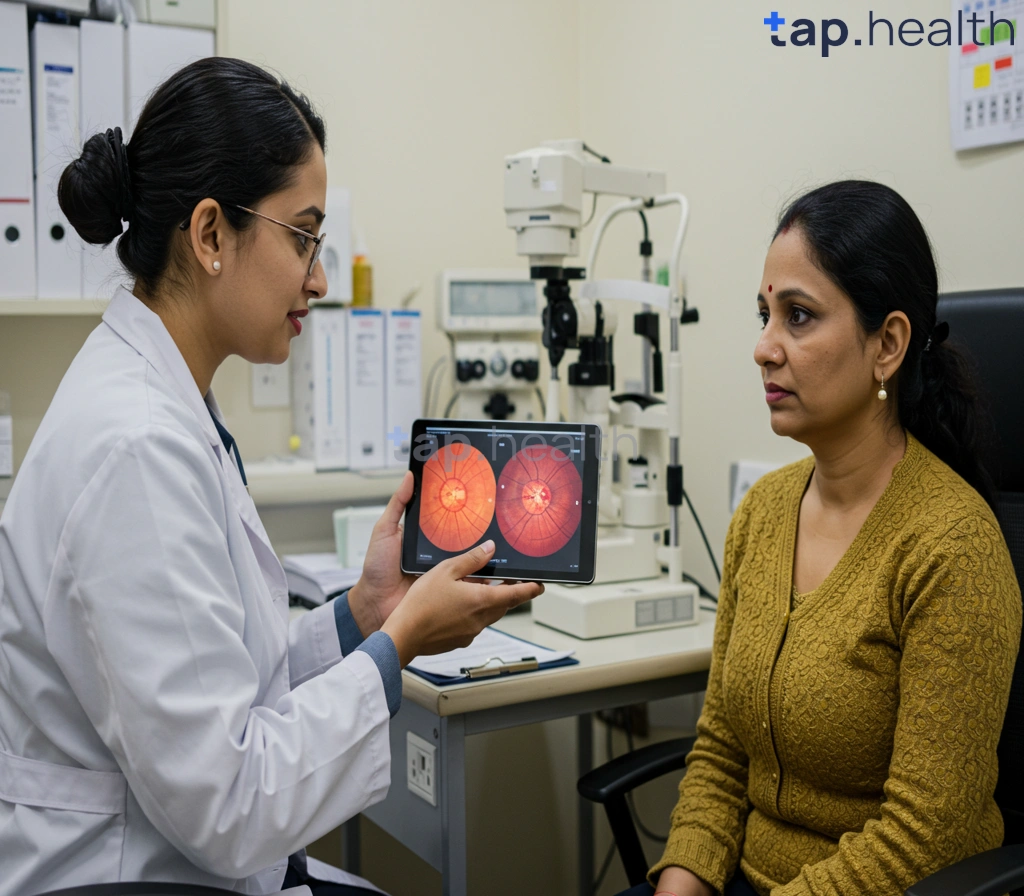
Diagnosis involves a comprehensive dilated eye exam by an ophthalmologist. This involves dilating your pupils to allow a thorough examination of the retina. Early detection allows for prompt treatment, which may include lifestyle modifications, blood sugar control, and, in some cases, laser treatment or surgery. Regular eye exams are vital, especially if you have diabetes, ensuring early intervention and preventing severe vision loss. Managing blood sugar effectively is crucial, and you might find helpful information on supporting your diabetes management in our article on Safe and Effective Dietary Supplements for Diabetes Care.
Seeking Help in India and Tropical Countries
Access to quality eye care varies across India and tropical regions. It’s crucial to find a qualified ophthalmologist who specializes in diabetic retinopathy. Many government and private hospitals offer diabetic eye screening programs. Proactive management of your diabetes, along with regular eye check-ups, is essential for preserving your vision. Don’t delay – schedule an eye exam today to safeguard your sight. While this article focuses on diabetic retinopathy, understanding the complexities of diabetes is vital. For instance, it’s important to note that conditions like meningitis are not directly linked to diabetes, but maintaining overall health is crucial for managing this chronic condition.
Frequently Asked Questions on Diabetic Eye Problems: Recognizing Warning Signs & When to Seek Help
Q1. What is diabetic retinopathy and why is early detection so important?
Diabetic retinopathy is a serious eye disease that can lead to blindness. It’s caused by diabetes damaging the blood vessels in the retina. Early detection is crucial because the condition often progresses without noticeable symptoms, and early treatment can significantly reduce the risk of vision loss.
Q2. What are the common early warning signs of diabetic retinopathy?
Common early warning signs include blurry vision, floaters (small specks or strands in your vision), dark spots or shadows, and difficulty seeing at night. If you experience any of these, see an eye doctor immediately.
Q3. How often should I have my eyes checked if I have diabetes?
If you have diabetes, you should have a comprehensive eye exam at least annually. Regular checkups are essential for early detection and treatment of diabetic retinopathy.
Q4. What can I do to reduce my risk of developing diabetic retinopathy?
Maintaining healthy blood sugar levels through diet, exercise, and medication (if prescribed) is crucial. It’s also vital to work closely with your doctor and ophthalmologist to manage your diabetes effectively.
Q5. What should I do if I’m concerned about my vision or suspect I might have diabetic retinopathy?
If you have any concerns about your vision or suspect you might have diabetic retinopathy, schedule an appointment with an ophthalmologist as soon as possible. Early intervention is key to preserving your vision.
References
- A Practical Guide to Integrated Type 2 Diabetes Care: https://www.hse.ie/eng/services/list/2/primarycare/east-coast-diabetes-service/management-of-type-2-diabetes/diabetes-and-pregnancy/icgp-guide-to-integrated-type-2.pdf
- AI-Driven Diabetic Retinopathy Screening: Multicentric Validation of AIDRSS in India: https://arxiv.org/pdf/2501.05826