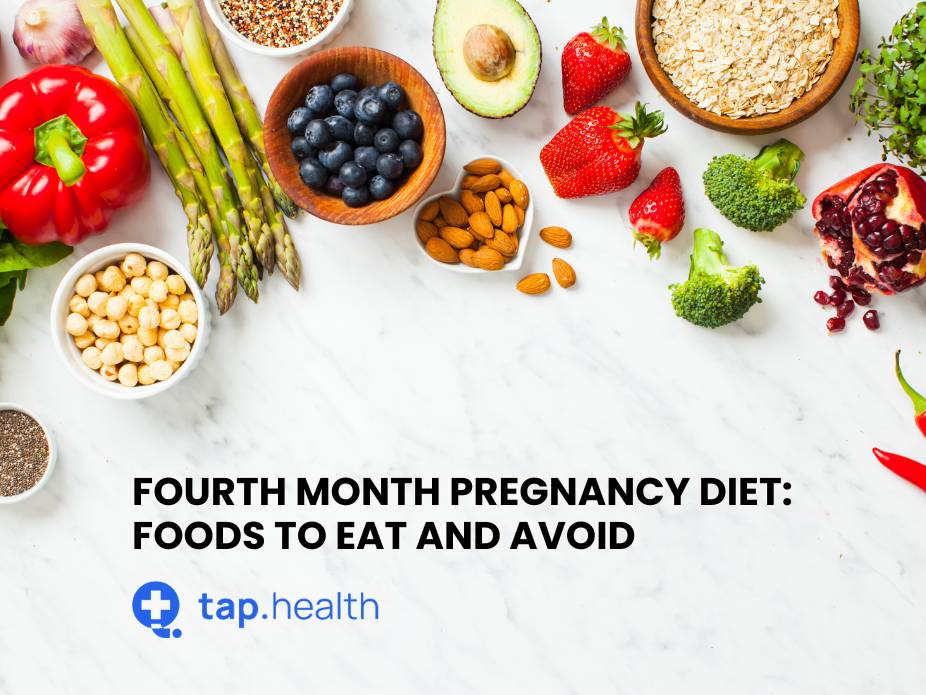
Congratulations on reaching the fourth month of your pregnancy! As your baby continues to grow, it’s crucial to ensure that you’re eating the right foods and getting the necessary nutrients to support your baby’s development and maintain your health. This guide will help you navigate your fourth month of pregnancy diet, highlighting essential nutrients, foods to eat, foods to avoid, the best fruits, supplements, diet tips, and frequently asked questions.
Essential Nutrients to Take in Fourth Month of Pregnancy
During the fourth month of pregnancy, your baby’s growth is rapid, and you need to ensure you’re getting essential nutrients. Here are the key nutrients you should focus on:
Folic Acid
Folic acid is crucial for the development of your baby’s brain and spinal cord. It helps prevent neural tube defects. Foods rich in folic acid include leafy green vegetables, fortified cereals, and beans.
Iron
Iron supports the increased blood volume in your body and helps deliver oxygen to your baby. Good sources of iron are lean meats, spinach, and legumes. Pairing iron-rich foods with vitamin C-rich foods like oranges can enhance absorption.
Calcium
Calcium is vital for the development of your baby’s bones and teeth. Dairy products, fortified plant-based milks, almonds, and broccoli are excellent sources of calcium.
Protein
Protein is essential for the growth of fetal tissue, including the brain. It also helps your breast and uterine tissue grow during pregnancy. Good protein sources are lean meats, eggs, dairy products, nuts, and legumes.
Omega-3 Fatty Acids
Omega-3 fatty acids, particularly DHA, are important for your baby’s brain and eye development. Fish like salmon, flaxseeds, and walnuts are rich in Omega-3s.
Vitamin D
Vitamin D helps in calcium absorption, which is crucial for your baby’s bone development. Sunlight exposure and foods like fatty fish, fortified milk, and eggs provide vitamin D.
Fourth Month Pregnancy Diet: Foods to Eat
Leafy Green Vegetables
Leafy greens like spinach, kale, and Swiss chard are rich in folic acid, iron, calcium, and fiber. These nutrients support your baby’s growth and help prevent constipation.
Lean Meats
Lean meats such as chicken, turkey, and beef are excellent sources of protein and iron. Make sure the meat is well-cooked to avoid any risk of infection.
Dairy Products
Milk, cheese, and yogurt provide calcium, protein, and vitamin D. These nutrients are essential for your baby’s bone development. Opt for low-fat or fat-free options to keep your calorie intake in check.
Fish
Fish like salmon and sardines are rich in Omega-3 fatty acids and protein. These nutrients support your baby’s brain and eye development. Avoid high-mercury fish like shark, swordfish, and king mackerel.
Whole Grains
Whole grains like brown rice, quinoa, and whole wheat bread are rich in fiber, B vitamins, and iron. They help keep your energy levels stable and prevent constipation.
Nuts and Seeds
Nuts and seeds such as almonds, walnuts, and chia seeds are great sources of protein, healthy fats, and fiber. They make for a healthy snack and can be added to various dishes for extra nutrition.
Fruits
Fruits are rich in vitamins, minerals, and fiber. They can help satisfy your sweet cravings healthily. Include a variety of fruits like apples, oranges, bananas, and berries in your diet.
Legumes
Legumes like lentils, chickpeas, and beans are excellent sources of protein, iron, folic acid, and fiber. They can be added to salads, soups, and stews for a nutritional boost.
Foods to Avoid in the 4th Month of Pregnancy
Raw or Undercooked Seafood
Raw or undercooked seafood, such as sushi, can contain harmful bacteria and parasites. It’s best to avoid these to reduce the risk of infections.
High-Mercury Fish
Fish like shark, swordfish, and king mackerel have high levels of mercury, which can harm your baby’s developing nervous system. Opt for low-mercury fish instead.
Unpasteurized Dairy Products
Unpasteurized milk and cheeses can contain harmful bacteria like Listeria, which can cause serious infections. Always choose pasteurized products.
Limit caffeine intake to avoid potential risks like low birth weight.
6. Alcohol
There is no safe amount of alcohol during pregnancy. It’s best to avoid it entirely.
7. Processed Foods
Foods high in sugar, salt, and unhealthy fats should be limited to avoid excessive weight gain and other health issues.
Best Fruits to Eat in 4th Month of Pregnancy
Fruits are an essential part of your diet during pregnancy. Here are some of the best fruits to include in your fourth-month pregnancy diet:
1. Apples
Rich in fiber and vitamin C, apples can help with digestion and boost your immune system.
2. Oranges
Packed with vitamin C and folate, oranges are great for your baby’s development and your overall health.
3. Bananas
High in potassium, bananas can help with muscle cramps and keep your energy levels up.
4. Berries
Strawberries, blueberries, and raspberries are rich in antioxidants and vitamins.
5. Mangoes
Mangoes are high in vitamins A and C, which are important for your baby’s growth.
6. Pears
Pears provide fiber, which can help prevent constipation.
7. Avocados
Avocados are a great source of healthy fats, vitamins, and fiber.
Supplements That You Can Take During the Fourth Month of Pregnancy
In addition to a balanced diet, certain supplements can help ensure you and your baby are getting all the necessary nutrients.
1. Prenatal Vitamins
Prenatal vitamins contain essential nutrients like folic acid, iron, and calcium. Always consult your doctor before starting any supplement.
2. Folic Acid Supplement
Even if your diet is rich in folate, a supplement can help ensure you’re meeting the recommended daily intake.
3. Iron Supplement
If you’re not getting enough iron from your diet, your doctor may recommend a supplement.
4. Calcium Supplement
If you’re lactose intolerant or not consuming enough dairy, a calcium supplement can help.
5. Omega-3 Supplement
If you’re not eating enough fatty fish, an omega-3 supplement can support your baby’s brain and eye development.
Fourth Month of Pregnancy Diet Tips
Maintaining a healthy diet during your fourth month of pregnancy doesn’t have to be complicated. Here are some simple tips to help you along the way:
1. Eat Small, Frequent Meals
Eating smaller meals throughout the day can help prevent nausea and keep your energy levels stable.
2. Stay Hydrated
Drink plenty of water to stay hydrated and support your body’s increased blood volume.
3. Avoid Empty Calories
Limit foods and drinks that provide little nutritional value, such as sugary snacks and sodas.
4. Listen to Your Body
Pay attention to hunger and fullness cues. Eat when you’re hungry and stop when you’re full.
5. Include a Variety of Foods
Eating a wide range of foods ensures you’re getting all the necessary nutrients.
6. Consult Your Doctor
Always consult your healthcare provider before making any major changes to your diet or starting new supplements.
FAQ on Fourth Month Pregnancy Diet
1. Can I eat seafood during the fourth month of pregnancy?
Yes, you can eat seafood, but choose low-mercury options like salmon, shrimp, and sardines.
2. How much water should I drink daily?
Aim for at least 8-10 glasses of water a day to stay hydrated.
3. Are there any fruits I should avoid?
Generally, all fruits are safe, but avoid unwashed or overripe fruits.
4. Can I drink coffee?
Limit your caffeine intake to about 200 mg per day, which is roughly one 12-ounce cup of coffee.
5. Should I take a multivitamin?
A prenatal vitamin is recommended, but consult your doctor before starting any supplement.
6. What should I do if I feel nauseous?
Eat small, frequent meals and avoid spicy or fatty foods that might trigger nausea.
7. Can I eat cheese?
Yes, but stick to pasteurized cheeses to avoid the risk of bacterial infection.
Eating well during your fourth month of pregnancy sets the foundation for your baby’s growth and your health. Focus on a balanced diet rich in essential nutrients, stay hydrated, and consult your healthcare provider with any concerns. Enjoy this special time and take care of yourself!
8. Can I eat eggs during pregnancy?
A: Yes, eggs are a great source of protein and choline, which are important for fetal development. However, make sure they are fully cooked to avoid the risk of salmonella infection. Hard-boiled, scrambled, or fried eggs are safe options.
9. How can I ensure I’m getting enough protein if I’m a vegetarian?
A: If you’re a vegetarian, you can get protein from plant-based sources like beans, lentils, tofu, tempeh, quinoa, nuts, and seeds. Incorporating a variety of these foods into your diet can help ensure you’re meeting your protein needs.
10. Are there any specific foods that can help boost my energy levels during pregnancy?
A: Yes, foods that are rich in complex carbohydrates and protein can help maintain your energy levels. Whole grains, nuts, seeds, lean meats, dairy products, and legumes are excellent choices. Also, staying hydrated and eating small, frequent meals can help keep your energy up.
11. Should I be concerned about food allergies during pregnancy?
A: If you have a history of food allergies, it’s important to avoid those foods and consult with your doctor. During pregnancy, some women might develop new sensitivities, so pay attention to how your body reacts to different foods and discuss any concerns with your healthcare provider.
12. Is it okay to eat out at restaurants during pregnancy?
A: Yes, eating out is okay as long as you make healthy choices and ensure the food is properly cooked and prepared. Avoid raw or undercooked dishes, and be cautious about hygiene standards at the restaurant.
13. Can I drink herbal teas during pregnancy?
A: Some herbal teas are safe during pregnancy, but others can be harmful. For example, teas like peppermint and ginger can help with digestion and nausea, while others like licorice and chamomile should be avoided. Always check with your healthcare provider before consuming herbal teas.
14. How can I manage cravings during pregnancy?
A: Cravings are common during pregnancy. It’s okay to indulge occasionally, but try to choose healthier alternatives when possible. For example, if you’re craving sweets, opt for fruit or yogurt instead of candy. Eating a balanced diet can also help manage cravings.
Conclusion
The fourth month of pregnancy is an exciting time as your baby continues to grow and develop. Maintaining a balanced and nutritious diet is crucial for both your health and your baby’s development. Focus on consuming a variety of nutrient-rich foods, staying hydrated, and following the dietary guidelines provided by your healthcare provider.
Remember, every pregnancy is unique, so it’s important to listen to your body and consult with your doctor for personalized advice. By making mindful food choices and ensuring you get the essential nutrients, you can support a healthy pregnancy journey.