
In today’s modern world, where contraception plays a vital role in family planning, it is crucial to understand the various aspects of contraceptive methods. Women widely use the I-Pill as an emergency contraceptive method. However, there can be some confusion and misconceptions surrounding the I-Pill and its effects, particularly when it comes to pregnancy symptoms. This article aims to shed light on the topic of understanding pregnancy symptoms after taking the I-Pill.
What is an I-Pill?
After unprotected sex or contraceptive failure, an individual takes the I-Pill, also known as the emergency contraceptive pill, to prevent pregnancy. It contains a high dose of levonorgestrel, a synthetic hormone that disrupts the normal menstrual cycle and prevents pregnancy by inhibiting ovulation.
The Purpose of I-Pill
The primary purpose of the I-Pill is to provide women with an option to prevent unwanted pregnancies in emergency situations. When other forms of contraception fail or are not used correctly, this method functions as a backup.
How the I-Pill Works
When taken within the recommended time frame, which is usually within 72 hours of unprotected intercourse, the I-Pill effectively prevents pregnancy. The high dose of levonorgestrel disrupts the normal hormonal patterns that regulate ovulation and fertilization, making it difficult for sperm to reach and fertilize an egg. Additionally, it may also alter the endometrium, making it less receptive to a fertilized egg, thereby preventing implantation.
Though the I-Pill is highly effective, it is not foolproof. If not taken correctly or within the recommended time frame, there is still a chance of pregnancy for the individual. Therefore, it is essential to understand and recognize the potential pregnancy symptoms that may occur after taking the I-Pill.
It is important to note that the I-Pill does not offer any protection against sexually transmitted infections (STIs). Instead of using it for regular contraception, we should employ it as an emergency option. Repeating the use of the I-Pill can disrupt the menstrual cycle and hormonal balance.
Potential Side Effects of the I-Pill
Like any medication, the I-Pill may cause side effects in some individuals. Common side effects include nausea, vomiting, fatigue, breast tenderness, and irregular menstrual bleeding. These side effects are usually mild and temporary, lasting for a few days after taking the pill.
In rare cases, the I-Pill may lead to more severe side effects such as severe abdominal pain, chest pain, severe headaches, or vision problems. If any of these symptoms occur after taking the I-Pill, it is important to seek medical attention immediately.
Common Misconceptions About the I-Pill
There are several misconceptions surrounding the I-Pill that can lead to confusion when it comes to pregnancy symptoms. It is important to address these misconceptions to dispel any doubts or anxieties related to the use of this emergency contraceptive.
Emergency contraceptives like the I-Pill are designed to be used as a backup option in case of unprotected sex or contraceptive failure. Regular contraceptive methods such as birth control pills, condoms, and intrauterine devices (IUDs) are not meant to be replaced by them. It is crucial to understand the distinction between emergency contraception and regular contraception to make informed decisions about reproductive health.
I-Pill as a Regular Contraceptive
People often hold the mistaken belief that the I-Pill can be used as a regular method for contraception. However, this is not the case. In emergency situations only, a person is meant to use the I-Pill as a contraceptive, not for long-term application. Regular use of the I-Pill can disrupt the menstrual cycle and may cause irregular bleeding.
An individual should consult a healthcare provider to explore long-term contraceptive options and find a method that suits their needs and preferences. This may involve considering factors such as effectiveness, side effects, ease of use, and long-term implications for reproductive health.
Effectiveness of the I-Pill
Another misconception is that the I-Pill provides 100% protection against pregnancy. While the I-Pill is highly effective, with a success rate of around 95%, there is still a small possibility of pregnancy. It is crucial to understand that no contraceptive method offers absolute protection, and in case of any doubts, it is advisable to seek medical advice.
Understanding the limitations and effectiveness of emergency contraceptives like the I-Pill can help individuals make informed choices about their sexual and reproductive health. It is important to have open and honest discussions with healthcare providers to address any concerns or questions regarding emergency contraception and its role in preventing unintended pregnancies.
Recognizing Pregnancy Symptoms
After taking the I-Pill, women may experience certain symptoms that can be mistaken for pregnancy. It is essential to be aware of these symptoms to differentiate between the effects of the I-Pill and an actual pregnancy.
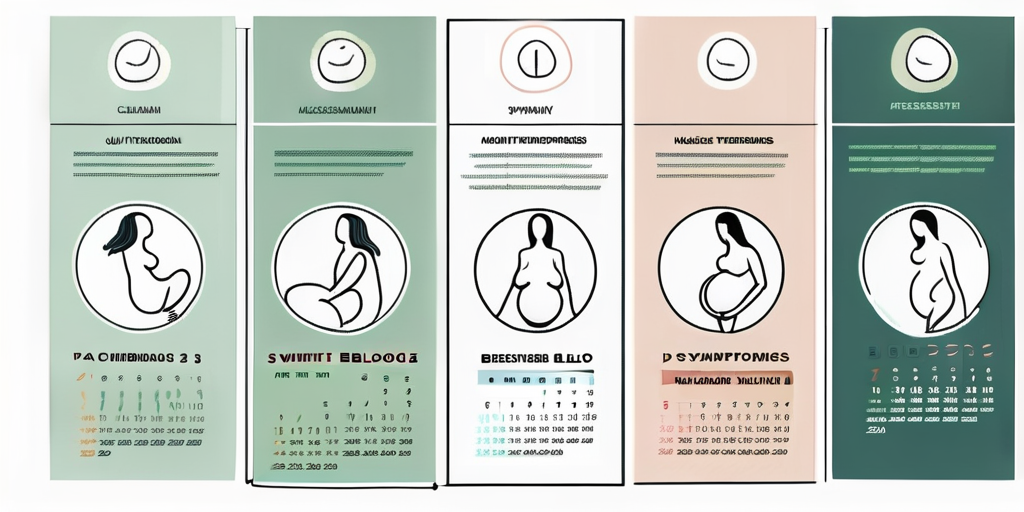
It’s important to understand that the I-Pill, also known as the emergency contraceptive pill, works by preventing ovulation or fertilization, and not by terminating an existing pregnancy. Therefore, any symptoms experienced after taking the I-Pill are likely related to its hormonal effects on the body rather than a developing pregnancy.
Early Signs of Pregnancy
Early signs of pregnancy can include missed periods, breast tenderness, nausea, fatigue, and frequent urination. These symptoms can be similar to the side effects of the I-Pill, making it challenging to distinguish between the two.
Some women may experience implantation bleeding, which can mistakenly be taken for a light period, in addition. This occurs when the fertilized egg attaches to the uterine lining and may cause light spotting. It’s essential to monitor the duration and flow of any bleeding to differentiate between implantation bleeding and a regular period.
Distinguishing Between Pregnancy and I-Pill Side Effects
It is crucial to note that the side effects of the I-Pill, such as changes in menstrual cycle, breast tenderness, and fatigue, can mimic pregnancy symptoms. However, the intensity and duration of these symptoms may vary from person to person. If there is any doubt or uncertainty, it is advisable to take a home pregnancy test or consult a healthcare professional for further evaluation.
Furthermore, stress and anxiety about the possibility of pregnancy can also manifest physically, leading to symptoms like bloating, headaches, or changes in appetite. It’s essential to address any emotional concerns alongside physical symptoms to ensure holistic well-being during this time of uncertainty.
The I-Pill and Pregnancy
Can the I-Pill Cause Pregnancy Symptoms?
The I-Pill itself does not cause pregnancy symptoms. However, due to the disruption of the natural hormonal balance in the body, some women may experience temporary changes that resemble early pregnancy symptoms. It is essential to understand that these symptoms are a result of hormonal alterations and not actual pregnancy.
When a woman takes the I-Pill, it works by primarily preventing or delaying ovulation. The ovary does not release the egg, decreasing the chances of fertilization. Additionally, the I-Pill thickens the cervical mucus, making it difficult for sperm to reach the egg. These mechanisms help in preventing pregnancy, rather than causing it.
What to Do If You Suspect Pregnancy After Taking I-Pill
If you suspect that you might be pregnant after taking the I-Pill, it is crucial to take a home pregnancy test or consult a healthcare professional for confirmation. Prompt action is necessary to address any potential concerns or issues related to pregnancy.
You should note that the I-Pill is not for routine use as a main contraceptive method. To be used as emergency contraception, it should be taken within a certain time frame after unprotected sex instead. If you find yourself needing emergency contraception frequently, it may be beneficial to explore more reliable and consistent birth control options with the guidance of a healthcare provider.
Consultation and Medical Advice
When to Consult a Doctor
If you experience persistent or severe symptoms after taking the I-Pill or if there are concerns regarding pregnancy, it is advisable to consult a healthcare professional. They can provide appropriate guidance, advice, and necessary medical intervention, if required.
It is important to note that while the I-Pill is effective in preventing pregnancy when taken within a specific time frame after unprotected intercourse, it is not a regular method of contraception. A doctor consultation is recommended for guidance on long-term birth control options to ensure consistent protection against unintended pregnancies.
Understanding the Importance of Regular Check-ups
Regular check-ups with a healthcare professional are essential for maintaining overall reproductive health. They can provide valuable information, guidance, and support regarding contraception, emergency contraception, and pregnancy-related concerns.
Additionally, these check-ups offer an opportunity to discuss any concerns or questions related to sexual health in a confidential and non-judgmental setting. Healthcare providers can also offer counseling on sexually transmitted infections (STIs) and provide necessary screenings or vaccinations to protect against these infections.
In conclusion, understanding pregnancy symptoms after taking the I-Pill is crucial in order to avoid misconceptions and confusion. It is important to recognize the purpose and functioning of the I-Pill, as well as the potential side effects it may cause. Being aware of the possible symptoms and distinguishing between the effects of the I-Pill and an actual pregnancy can help women make informed decisions and seek appropriate medical advice when needed. Regular consultations with healthcare professionals can provide the necessary support and guidance for women’s reproductive health.