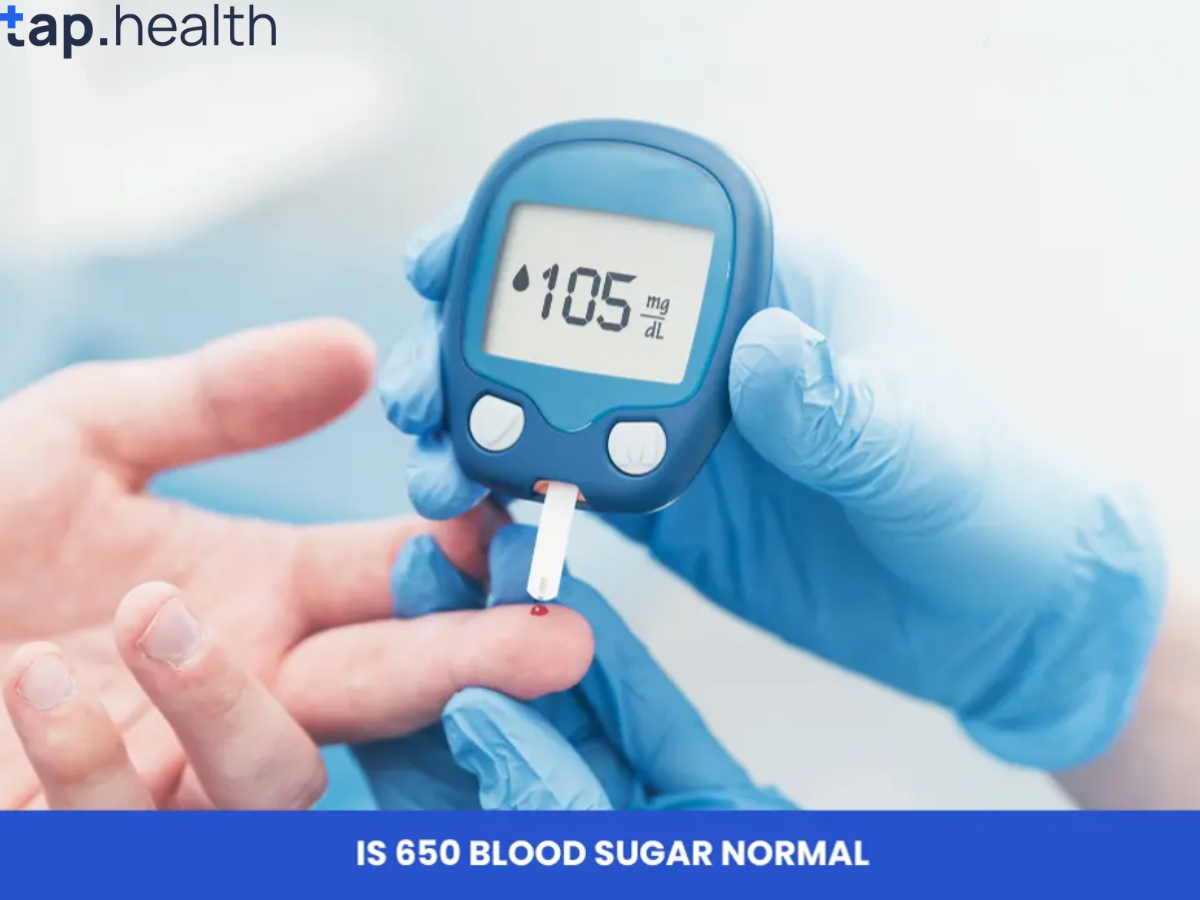
Managing blood sugar levels is a fundamental aspect of maintaining overall health, especially for individuals diagnosed with diabetes. But what happens when your blood sugar spikes to an alarming 650 mg/dL? Is 650 blood sugar normal? In this comprehensive guide, we’ll explore what blood sugar levels signify, the dangers of such extreme readings, and the essential steps to take if you or someone you know experiences this level. Let’s break it down in simple terms to ensure clarity and understanding.
What is Blood Sugar?
Blood sugar, or glucose, is the primary source of energy for your body’s cells. It originates from the food you consume, especially carbohydrates, and is transported through your bloodstream to be utilized by cells for energy. The hormone insulin, produced by the pancreas, plays a crucial role in regulating blood sugar levels by facilitating the entry of glucose into cells.
Maintaining blood sugar within a normal range is vital. Both high and low blood sugar levels can lead to serious health issues, affecting various bodily functions and overall well-being.
Understanding Blood Sugar Levels
Normal Blood Sugar Levels
Blood sugar levels are measured in milligrams per deciliter (mg/dL). According to the American Diabetes Association (ADA), the standard guidelines are:
- Fasting Blood Sugar (before meals): 70-99 mg/dL
- Postprandial Blood Sugar (after meals): Less than 140 mg/dL
- HbA1c (average over 3 months): Below 5.7%
These ranges help individuals and healthcare providers monitor and manage blood sugar effectively, reducing the risk of complications associated with abnormal levels.
Pre-diabetes and Diabetes
- Pre-diabetes: This condition is identified when fasting blood sugar levels are between 100-125 mg/dL. It indicates higher than normal blood sugar levels but not high enough to be classified as diabetes. Individuals with pre-diabetes are at increased risk of developing Type 2 diabetes, heart disease, and stroke.
- Diabetes: Diagnosed when fasting blood sugar levels are 126 mg/dL or higher on two separate tests. Diabetes can be categorized mainly into:
- Type 1 Diabetes: An autoimmune condition where the body attacks insulin-producing cells.
- Type 2 Diabetes: A condition where the body becomes resistant to insulin or doesn’t produce enough.
Hyperglycemia: What It Means
Hyperglycemia refers to blood sugar levels that are higher than normal. Chronic hyperglycemia is a hallmark of diabetes and can lead to various complications if not managed properly. Immediate hyperglycemia can be dangerous and requires prompt attention to prevent severe health issues.
Is a Blood Sugar Level of 650 Normal?
No, a blood sugar level of **650 mg/dL is not normal. Such an extreme level indicates a severe hyperglycemic state that requires immediate medical attention. Normal blood sugar levels are significantly lower, and 650 mg/dL is well beyond what is considered safe.
Extremely high blood sugar levels like 650 mg/dL are rare and typically result from a combination of factors, including inadequate diabetes management, infections, or other medical conditions that disrupt glucose regulation.
Is a 650 Blood Sugar Level Dangerous?
Absolutely. A blood sugar level of 650 mg/dL is very dangerous and can lead to life-threatening conditions if not addressed promptly. It signifies that the body is struggling to regulate glucose effectively, posing immediate and long-term health risks.
Understanding the severity of such high blood sugar levels is crucial for taking swift and appropriate action to mitigate potential health consequences.
The Significance of a 650 Blood Sugar Reading
Immediate Risks of Blood Sugar Levels Around 650
When blood sugar levels reach 650 mg/dL, the body undergoes significant stress, and several immediate risks arise:
- Diabetic Ketoacidosis (DKA): This is a serious complication primarily seen in Type 1 diabetes. It occurs when the body starts breaking down fats for energy due to insufficient insulin, leading to the accumulation of ketones and resulting in acidosis. Symptoms include rapid breathing, fruity-smelling breath, severe dehydration, and confusion.
- Hyperosmolar Hyperglycemic State (HHS): More common in Type 2 diabetes, HHS is characterized by very high blood sugar levels without significant ketone production. It leads to extreme dehydration and can result in seizures, coma, or even death if not treated promptly.
- Severe Dehydration: Excess glucose causes the kidneys to work harder to eliminate it, leading to increased urination and significant fluid loss.
- Organ Damage: Prolonged high blood sugar can damage vital organs, including the kidneys, heart, and eyes, increasing the risk of heart disease, kidney failure, and vision loss.
Long-Term Health Implications
Consistently high blood sugar levels can lead to chronic health issues, including:
- Cardiovascular Disease: Elevated blood sugar increases the risk of heart attacks, strokes, and other cardiovascular problems.
- Neuropathy: High glucose levels can damage nerves, leading to pain, numbness, or loss of sensation, especially in the extremities.
- Nephropathy: Kidney damage from prolonged hyperglycemia can progress to kidney failure, requiring dialysis or transplantation.
- Retinopathy: Damage to the blood vessels in the eyes can lead to vision problems and even blindness.
- Foot Complications: Poor circulation and nerve damage increase the risk of infections and ulcers, which can sometimes lead to amputations.
Understanding these risks underscores the importance of maintaining blood sugar within the recommended range to prevent both immediate and long-term health complications.
Symptoms to Watch For at High Blood Sugar Levels
Recognizing the symptoms of high blood sugar is crucial for timely intervention and preventing severe complications.
Recognizing Hyperglycemia Symptoms
High blood sugar can manifest through various symptoms, including:
- Frequent Urination: The kidneys attempt to eliminate excess glucose through urine, leading to increased urination.
- Extreme Thirst: Dehydration from frequent urination causes intense thirst.
- Fatigue: Cells lack sufficient glucose for energy, resulting in persistent tiredness.
- Blurred Vision: High glucose levels can affect the lenses in the eyes, causing vision to become blurry.
- Headaches: Dehydration and elevated blood sugar can lead to frequent headaches.
- Nausea and Vomiting: Severe hyperglycemia can cause gastrointestinal distress.
- Shortness of Breath: The body may attempt to compensate for acid-base imbalances, leading to rapid or shallow breathing.
- Confusion or Difficulty Concentrating: Elevated glucose levels can impair cognitive functions, making it hard to think clearly or concentrate.
When to Seek Medical Attention
If you experience any of the following symptoms alongside high blood sugar levels, seek medical help immediately:
- Severe Thirst and Frequent Urination
- Nausea and Vomiting
- Shortness of Breath
- Confusion or Difficulty Breathing
- Unconsciousness
These symptoms may indicate serious conditions like Diabetic Ketoacidosis (DKA) or Hyperosmolar Hyperglycemic State (HHS), which require urgent medical intervention.
Managing and Reducing High Blood Sugar
Managing high blood sugar involves both immediate actions to lower levels and long-term strategies to prevent future spikes.
Lifestyle Changes for Better Blood Sugar Control
Implementing certain lifestyle adjustments can significantly aid in managing and reducing high blood sugar levels:
- Balanced Diet: Focus on consuming vegetables, lean proteins, and whole grains. Limit intake of sugary and refined carbohydrates to prevent blood sugar spikes.
- Regular Exercise: Physical activity helps your body use insulin more effectively, aiding in glucose uptake by cells.
- Stress Management: Techniques such as meditation, yoga, or deep breathing exercises can reduce stress-related blood sugar spikes.
- Adequate Hydration: Drinking plenty of water helps your kidneys eliminate excess sugar from your bloodstream.
- Weight Management: Maintaining a healthy weight improves insulin sensitivity and overall blood sugar control.
Medical Interventions for Critical Levels
When blood sugar levels are dangerously high, medical intervention becomes necessary:
- Insulin Therapy: Administering insulin can help lower blood sugar levels quickly. This is crucial for individuals with Type 1 diabetes or severe Type 2 diabetes.
- Medications: Oral or injectable medications may be prescribed to manage blood sugar levels effectively.
- Hospitalization: In severe cases, hospitalization might be required to stabilize your condition, provide intravenous fluids, and manage electrolyte imbalances.
- Monitoring: Continuous monitoring of blood sugar levels is essential to ensure they are decreasing and to prevent further complications.
How Bad is a 650 Blood Sugar Level?
A blood sugar level of 650 mg/dL is extremely bad and poses significant health risks. It indicates that your body is not effectively managing glucose, which can lead to both immediate and long-term health complications if not addressed promptly.
Such high levels can overwhelm the body’s regulatory mechanisms, leading to severe dehydration, electrolyte imbalances, and potential damage to vital organs. Immediate action is crucial to prevent life-threatening conditions like DKA or HHS.
Lifestyle Changes to Manage a Blood Sugar Level of 650
Implementing specific lifestyle changes can help manage and reduce high blood sugar levels effectively:
- Healthy Eating: Opt for low-glycemic index foods that do not cause rapid spikes in blood sugar. Incorporate plenty of non-starchy vegetables, lean proteins, and healthy fats into your diet.
- Regular Physical Activity: Engage in regular exercise, such as walking, swimming, or cycling, to help your body use insulin more efficiently.
- Weight Management: Maintaining a healthy weight can improve insulin sensitivity and overall blood sugar control.
- Limit Alcohol and Quit Smoking: Both alcohol and smoking can negatively affect blood sugar levels and overall health.
- Consistent Meal Timing: Eating meals at regular intervals helps in maintaining stable blood sugar levels throughout the day.
Long-Term Effects of Consistently High Blood Sugar
Consistently high blood sugar levels can lead to chronic health issues, including:
- Heart Disease: Increased risk of heart attacks, strokes, and other cardiovascular problems due to damage to blood vessels and nerves.
- Kidney Damage: Prolonged hyperglycemia can damage the kidneys’ filtering system, potentially leading to kidney failure.
- Nerve Damage: High blood sugar can cause neuropathy, leading to pain, numbness, or loss of sensation, particularly in the extremities.
- Vision Problems: Damage to the blood vessels in the eyes can result in retinopathy, increasing the risk of vision loss and blindness.
- Foot Complications: Poor circulation and nerve damage heighten the risk of infections and ulcers, which can sometimes necessitate amputations.
Understanding these long-term effects underscores the importance of maintaining blood sugar within the recommended range to prevent severe health complications.
How to Lower a Blood Sugar Level of 650
Lowering a blood sugar level of 650 mg/dL involves both immediate and long-term strategies to bring levels down and prevent future spikes.
Immediate Actions
- Take Insulin or Medication: Follow your healthcare provider’s instructions regarding insulin or other diabetes medications. This is crucial for lowering blood sugar quickly.
- Stay Hydrated: Drink plenty of water to help your kidneys eliminate excess sugar from your bloodstream.
- Exercise: Engage in physical activity, such as walking, to help lower blood sugar levels. However, consult your healthcare provider before starting any exercise if your blood sugar is extremely high.
- Monitor Blood Sugar: Keep track of your blood sugar levels to ensure they are decreasing. Regular monitoring helps in making informed decisions about managing your levels.
Long-Term Strategies
- Maintain a Balanced Diet: Consistently consume foods that help regulate blood sugar levels, avoiding sugary and refined carbohydrates.
- Regular Physical Activity: Incorporate exercise into your daily routine to enhance insulin sensitivity and glucose uptake by cells.
- Weight Management: Strive to maintain a healthy weight to improve overall blood sugar control.
- Medication Adherence: Take prescribed medications consistently and as directed by your healthcare provider.
How to Treat a Blood Sugar Level of 650
Treating a blood sugar level of 650 mg/dL requires urgent medical intervention to prevent life-threatening complications. Here’s how it can be addressed:
- Immediate Medical Attention: Contact your healthcare provider or go to the nearest emergency room immediately. High blood sugar levels at this range are considered medical emergencies.
- Insulin Administration: Insulin may be administered to help lower blood sugar levels quickly. This is essential, especially for individuals with Type 1 diabetes.
- Hydration Therapy: Intravenous fluids might be necessary to combat severe dehydration caused by high blood sugar levels.
- Electrolyte Management: Ensuring your body’s electrolytes are balanced is crucial, as imbalances can lead to serious health issues.
- Monitoring and Support: Continuous monitoring of blood sugar levels and overall health status is essential during treatment to ensure stability and prevent further complications.
What to Eat If Your Blood Sugar is 650
When experiencing high blood sugar levels, focusing on specific dietary choices can help manage and lower glucose levels:
- Low-Carb Vegetables: Incorporate leafy greens like spinach, kale, and broccoli. These vegetables are rich in fiber and nutrients without causing significant blood sugar spikes.
- Lean Proteins: Include sources like chicken, fish, turkey, or tofu. Proteins help in maintaining muscle mass and provide sustained energy without raising blood sugar levels.
- Healthy Fats: Avocados, nuts, seeds, and olive oil are excellent choices. Healthy fats can help in feeling full longer and aid in blood sugar control.
- Fiber-Rich Foods: Foods high in fiber, such as whole grains and legumes, help slow down the absorption of glucose, preventing rapid spikes in blood sugar.
Foods to Avoid
- Sugary Foods and Beverages: Avoid candies, sodas, and other high-sugar items that can further elevate blood sugar levels.
- Refined Carbohydrates: Limit intake of white bread, pastries, and other refined grains that can cause rapid increases in blood sugar.
- Processed Foods: These often contain hidden sugars and unhealthy fats that can negatively impact blood sugar control.
When to Seek Medical Attention for a Blood Sugar Level of 650
It’s imperative to seek medical attention immediately if you or someone you know has a blood sugar level of 650 mg/dL. Recognizing the signs and acting swiftly can prevent severe health complications.
Symptoms Indicating the Need for Immediate Help
- Severe Thirst and Frequent Urination
- Nausea and Vomiting
- Confusion or Difficulty Breathing
- Unconsciousness
These symptoms may indicate conditions like Diabetic Ketoacidosis (DKA) or Hyperosmolar Hyperglycemic State (HHS), both of which require urgent medical intervention.
Steps to Take
- Contact Healthcare Provider: Reach out to your doctor or diabetes specialist immediately for guidance.
- Go to the Emergency Room: If symptoms are severe or worsening, go to the nearest emergency room without delay.
- Follow Medical Instructions: Adhere strictly to the treatment plan provided by healthcare professionals, including taking prescribed medications and following dietary recommendations.
Expert Opinions
Healthcare professionals emphasize the critical importance of maintaining blood sugar levels within the recommended range to prevent both immediate and long-term health complications. According to Dr. Emily Johnson, an endocrinologist at Mayo Clinic, “A blood sugar level of 650 mg/dL is a medical emergency. Immediate intervention is necessary to prevent life-threatening conditions like diabetic ketoacidosis and hyperosmolar hyperglycemic state.”
FAQ: Is 650 Blood Sugar Normal?
1.Is Blood Sugar of 650 Dangerous?
Yes, a blood sugar level of 650 mg/dL is extremely dangerous and requires immediate medical attention to prevent severe complications.
2.What Happens If the Sugar Level is 650?
At 650 mg/dL, your body struggles to manage glucose, leading to symptoms like extreme thirst, frequent urination, fatigue, blurred vision, and potentially severe complications like diabetic ketoacidosis or hyperosmolar hyperglycemic state.
3.How Do You Treat Blood Sugar of 650?
Treatment involves immediate medical intervention, including insulin administration, hydration, and possibly hospitalization to stabilize blood sugar levels and address any complications.
4.What Are Healthy Blood Sugar Levels?
Healthy blood sugar levels are:
- Fasting: 70-99 mg/dL
- Postprandial: Less than 140 mg/dL
- HbA1c: Below 5.7%
5.At What Point Should Medical Attention Be Sought for a Blood Sugar Level of 650?
Immediate medical attention is necessary when blood sugar reaches 650 mg/dL, particularly if accompanied by severe symptoms like confusion, difficulty breathing, or unconsciousness.
6.Are There Any Lifestyle Changes That Can Help Manage a Blood Sugar Level of 650?
Yes, adopting a balanced diet, regular exercise, stress management, and proper medication adherence can help manage high blood sugar levels. However, at a level of 650 mg/dL, immediate medical intervention is crucial before implementing long-term lifestyle changes.
7.What Are the Long-Term Effects of Consistently Having a Blood Sugar Level of 650?
Long-term effects include increased risk of heart disease, kidney damage, nerve damage, vision problems, and foot complications. Consistently high levels can lead to severe and irreversible health issues if not managed effectively.
8.How Do You Lower a Blood Sugar of 650?
Lowering a blood sugar level of 650 mg/dL involves taking insulin or prescribed medications, staying hydrated, exercising (if safe), and closely monitoring your levels. Immediate medical intervention is essential to bring levels down safely.
9.My Sugar Level is 650 After Meal
If your blood sugar is 650 mg/dL after a meal, it’s essential to follow your healthcare provider’s instructions, which may include taking insulin, adjusting your diet, and seeking medical advice to prevent complications.
10.My Blood Sugar is Over 650 What Should I Do
If your blood sugar exceeds 650 mg/dL, take your prescribed insulin or medications, drink water to stay hydrated, and contact your healthcare provider or go to the emergency room immediately for urgent medical care.
11.Is Blood Sugar Level of 700 Dangerous
Yes, a blood sugar level of 700 mg/dL is extremely dangerous and requires urgent medical attention to prevent life-threatening complications such as diabetic ketoacidosis or hyperosmolar hyperglycemic state.
12.How to Reduce Blood Sugar Level Immediately
To reduce blood sugar levels immediately:
- Take Prescribed Insulin or Medications: Follow your healthcare provider’s instructions carefully.
- Drink Water to Stay Hydrated: Helps kidneys eliminate excess sugar.
- Engage in Light Exercise if Safe: Physical activity can help lower blood sugar, but consult your healthcare provider first.
- Avoid Sugary Foods and Drinks: Prevents further spikes in blood sugar levels.
13.Normal Blood Sugar Levels Chart
| Condition | Fasting (mg/dL) | Postprandial (mg/dL) | HbA1c (%) |
|---|---|---|---|
| Normal | 70-99 | <140 | <5.7 |
| Pre-diabetes | 100-125 | 140-199 | 5.7-6.4 |
| Diabetes | ≥126 | ≥200 | ≥6.5 |
| Severe Hyperglycemia | ≥300 | N/A | N/A |
14.What Level of Blood Sugar is Dangerous?
Blood sugar levels consistently above 180 mg/dL after meals or above 130 mg/dL fasting are considered high and can be dangerous if not managed effectively. Extremely high levels, such as 600 mg/dL or above, are medical emergencies requiring immediate attention.
15.What Level of Blood Sugar is Dangerous for Type 2 Diabetes
For individuals with Type 2 diabetes, blood sugar levels above 180 mg/dL after meals and above 130 mg/dL fasting are considered dangerous and require prompt attention to prevent complications.
16.What Foods Lower Blood Sugar Immediately
Foods that can help lower blood sugar quickly include:
- Leafy Greens: Such as spinach and kale.
- Lean Proteins: Like chicken and fish.
- Whole Grains: Such as brown rice and quinoa.
- Healthy Fats: Including avocado and nuts.
Incorporating these foods can help manage blood sugar levels, but they should be part of a balanced diet rather than relied upon solely for immediate reductions.
17.How Bad is a 650 Blood Sugar Level
A blood sugar level of 650 mg/dL is very bad and poses serious health risks, including potential organ damage and life-threatening conditions like diabetic ketoacidosis or hyperosmolar hyperglycemic state.
18.Is 650 Diabetes High
Yes, a blood sugar level of 650 mg/dL is considered very high for individuals with diabetes and requires immediate medical attention to prevent severe health consequences.
19.Blood Sugar Level 650 is Normal
No, a blood sugar level of 650 mg/dL is not normal. It indicates severe hyperglycemia and requires urgent medical care to address the underlying causes and prevent complications.
20.What Happens If the Sugar Level is 650?
A sugar level of 650 mg/dL can lead to symptoms like extreme thirst, frequent urination, fatigue, blurred vision, and can escalate to diabetic ketoacidosis if not treated promptly. It signifies that the body is unable to manage glucose effectively, posing immediate health risks.
21.How Do You Treat Blood Sugar of 650?
Treating a blood sugar level of 650 mg/dL involves:
- Immediate Insulin or Medication Administration: To lower blood sugar levels quickly.
- Hydration with Water or Electrolyte Solutions: To combat dehydration caused by high blood sugar.
- Monitoring Blood Sugar Levels Frequently: To ensure they are decreasing and stabilizing.
- Seeking Medical Help: Contact healthcare providers or go to the emergency room for urgent care.
Conclusion
A blood sugar level of **650 mg/dL is not normal and poses significant health risks. Understanding the signs, symptoms, and necessary actions can help you manage and prevent such dangerous spikes. It’s crucial to work closely with your healthcare provider to maintain your blood sugar within a healthy range and seek immediate medical attention if you experience extremely high levels. Remember, timely intervention can save lives and prevent long-term health complications.